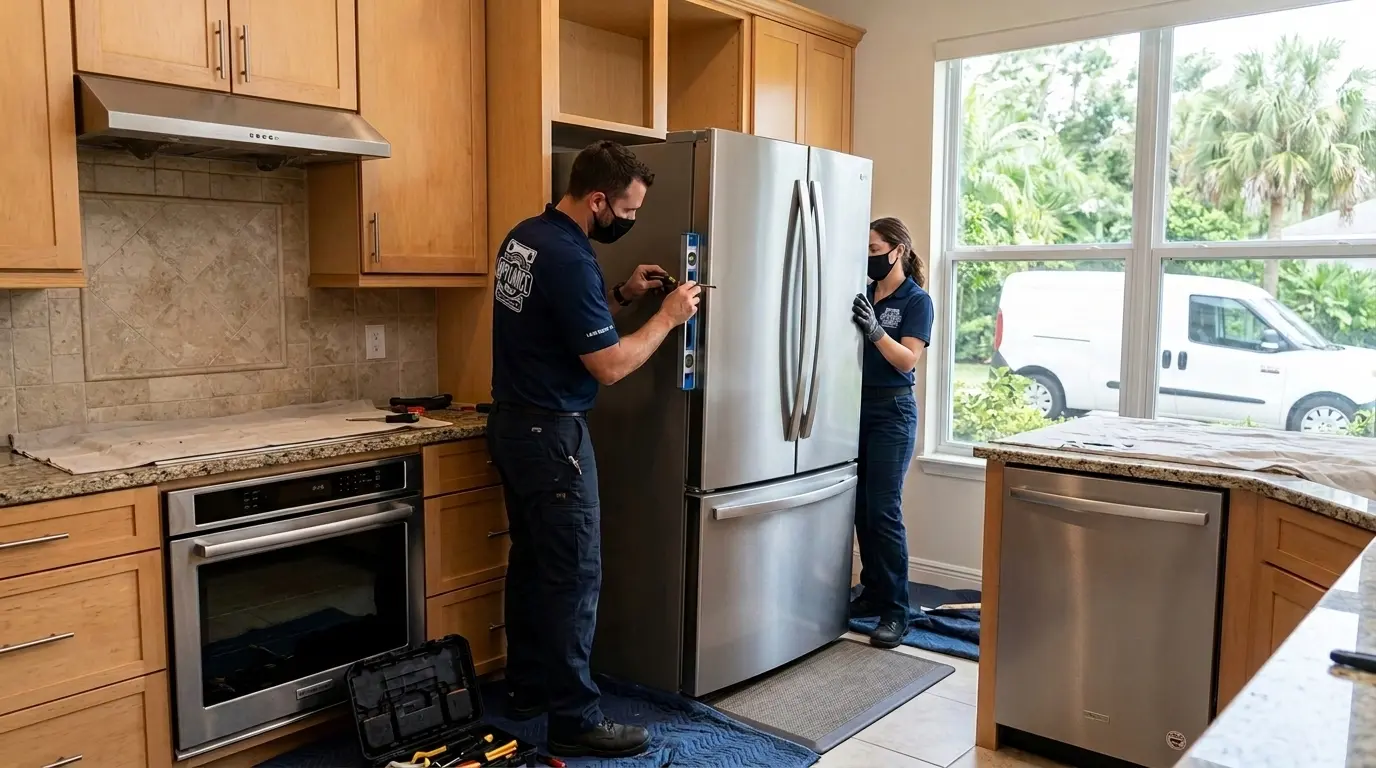
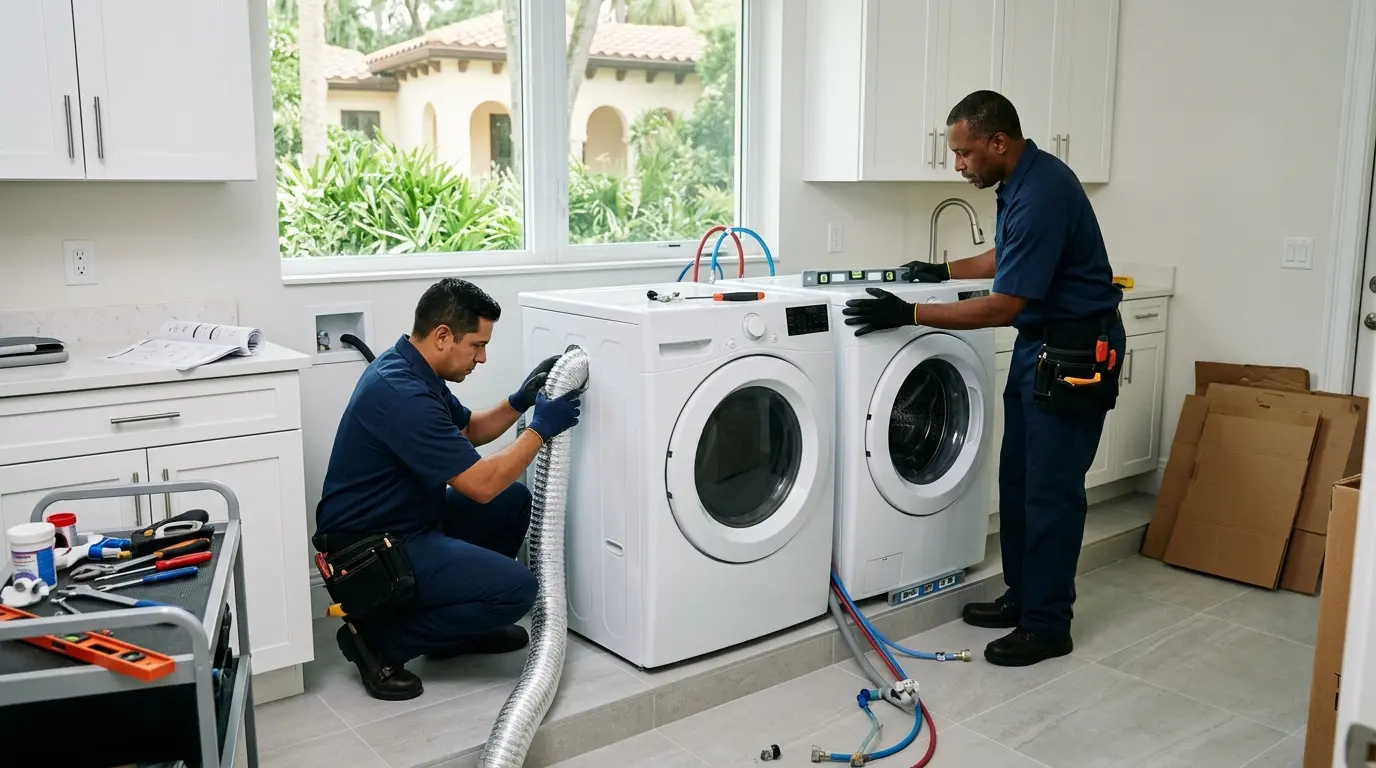
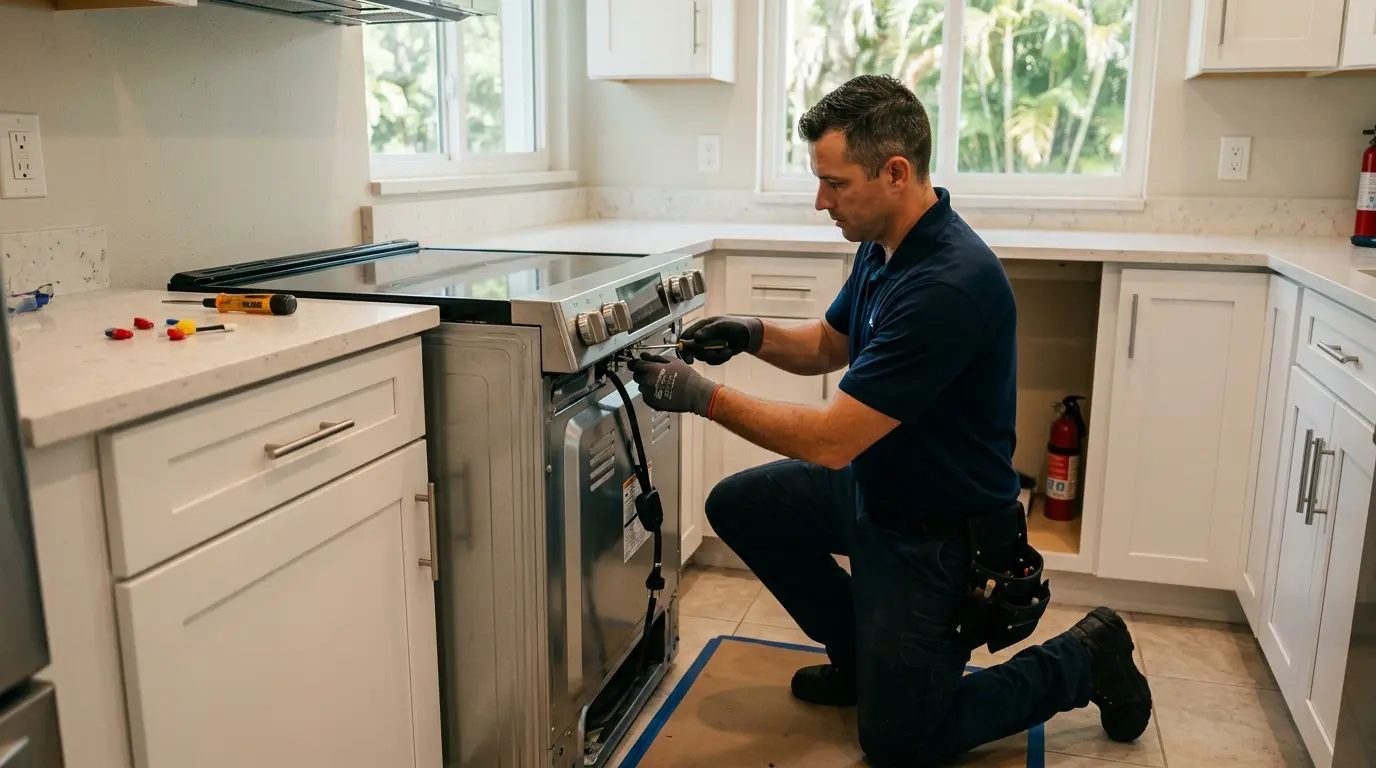
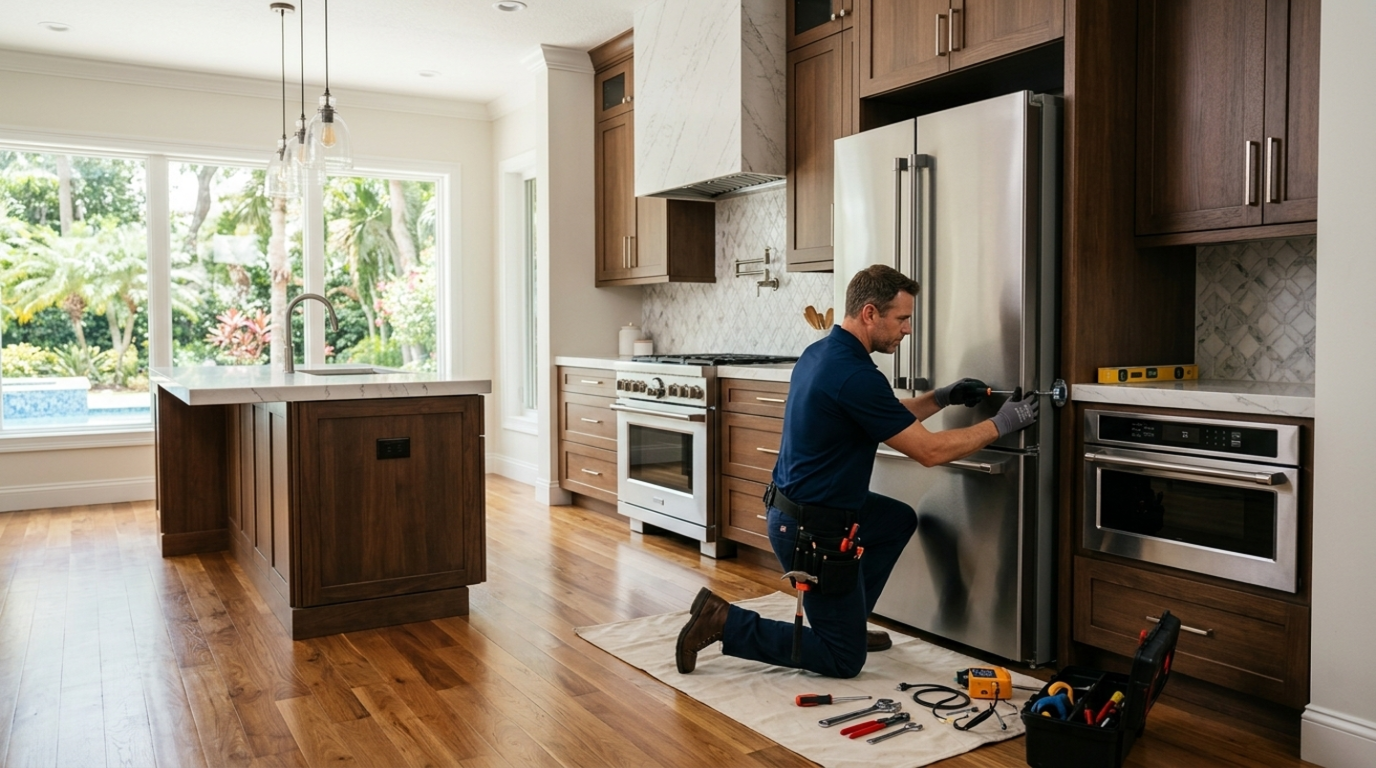

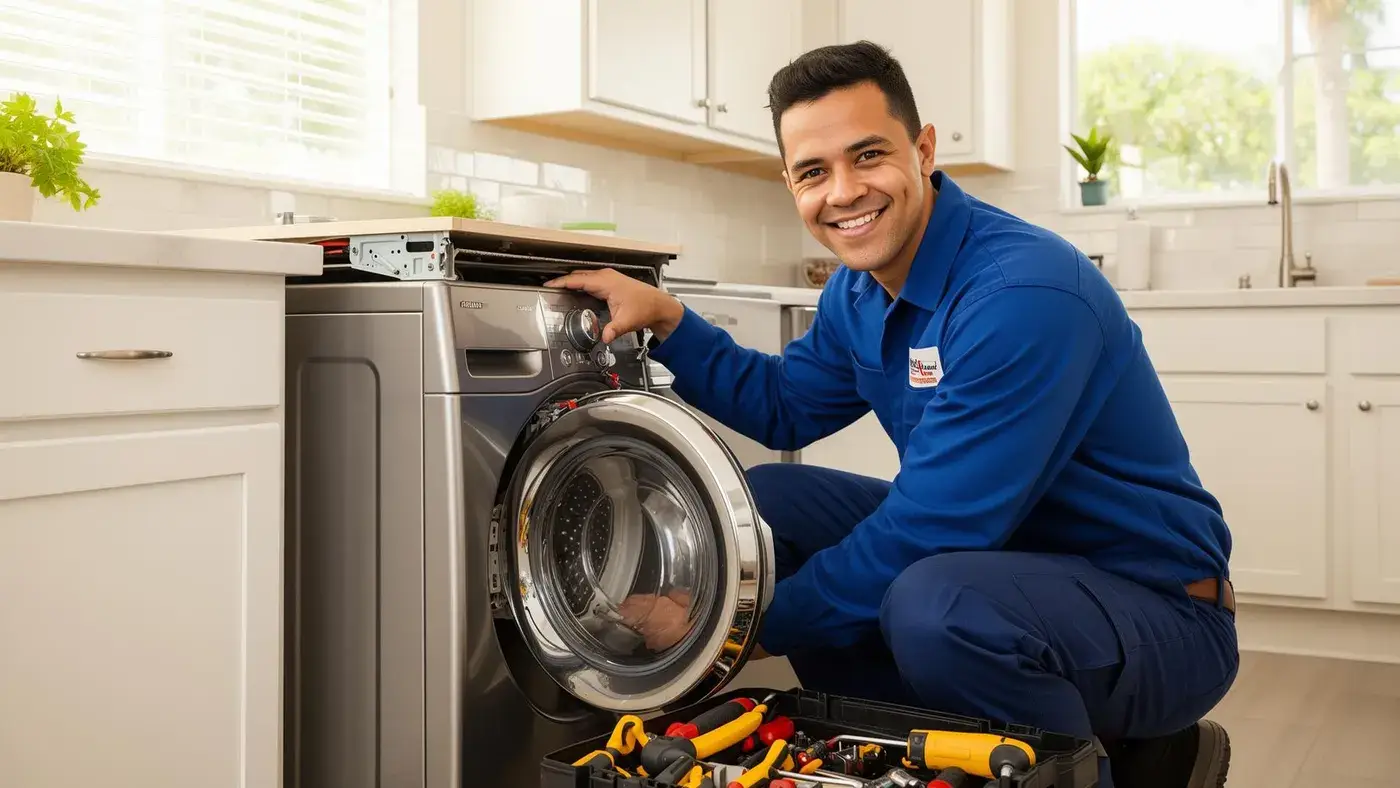
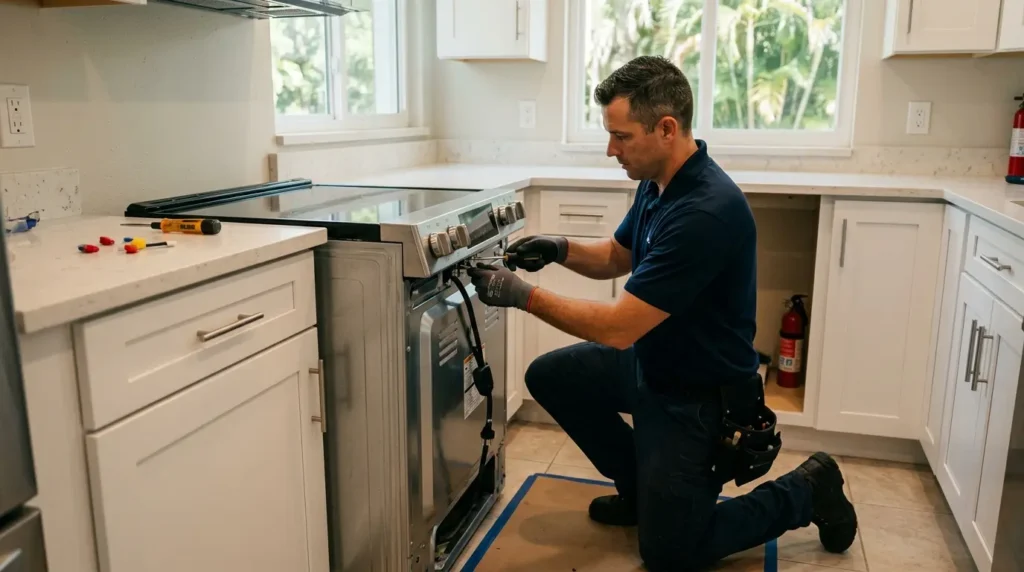
An oven or range is not like other appliances. It involves either high-voltage electricity or a gas line, and both come with real risks. A bad connection can cause a fire, a gas leak, or an electrical short. That’s not something you want to guess at. Yet plenty of homeowners try to save a few dollars by doing it themselves or hiring someone without proper training.
The smarter move is to go with a oven or range installation Winter Park FL service that knows what they’re doing. A certified technician understands the local codes, knows how to test connections safely, and makes sure your new range sits level and secure. This guide covers the key safety tips, the installation process, and what you should expect to pay. By the time you finish reading, you’ll have a clear picture of what a proper job looks like.
A properly installed stove makes a big difference in safety and performance. Discount Appliance Repair of Central Florida provides stove installation in Winter Park, FL, for both gas and electric models, following manufacturer specifications and local building requirements every step of the way.
Why Range Installation Is Not a Simple DIY Job
A lot of people think installing a range means sliding it into place and plugging it in. That might be true for a basic electric model, but even then, you need the right outlet and breaker size. Get that wrong, and the circuit could trip constantly or overheat.
Gas ranges are even more complicated. You’re dealing with a flexible gas connector, a shut-off valve, and a leak test. If the connection isn’t tight, gas can escape into your home. That’s a serious safety risk that no homeowner should take lightly.
Electric oven installation also has its challenges. The unit often requires a 240-volt circuit, not the standard 120-volt outlet. If your home doesn’t have one, a new circuit needs to be run. That’s work for a licensed electrician, not a handyman.
And then there’s the anti-tip bracket. Every range should have one installed to prevent the unit from tipping forward if someone puts weight on the open door. It’s a small part, but it prevents a huge safety hazard, especially in homes with kids.
Safety Tips Before Your New Range Arrives
Preparation matters when you’re dealing with gas or electricity. Here are some things to think about before the installer shows up.
Check your existing connection. If you’re replacing an old range, look at the current outlet or gas line. If it looks damaged, corroded, or outdated, the installer will need to replace it. This is common in older Winter Park homes.
Measure the space carefully. Ranges come in standard widths—usually 30 inches—but you should still measure the opening, the depth, and the height. Also check the clearance between the range and any overhead cabinets or vent hoods.
Know your fuel type. Make sure you know whether your home is set up for gas or electric. Some homes have both, but most have one or the other. If you’re switching fuel types, you may need additional work done before installation.
Have the manual ready. The manufacturer’s installation guide has specific requirements for your model. The tech may need to reference it during the job.
Clear the path. Move any rugs, furniture, or clutter out of the way so the installer can move the range in without bumping into anything.
For anyone replacing a gas range, gas range installation should always include a leak test. A proper technician will use a soap solution or a gas detector to confirm there are no leaks before they leave.
The Installation Process Step by Step
Understanding the process helps you know what to expect and what questions to ask. Here’s a typical flow for range installation.
Step 1: Inspection and prep. The technician checks the space, the existing connections, and the floor. They confirm whether the outlet or gas line is in the right spot and in good shape.
Step 2: Unboxing and inspection. The new range gets unpacked and checked for damage. The installer reads the manual to confirm any specific requirements for that model.
Step 3: Electrical or gas connection. For electric models, the installer checks the outlet voltage and amperage. If a new circuit is needed, they may need to coordinate with an electrician. For gas models, they attach a flexible connector, tighten everything properly, and run a leak test.
Step 4: Anti-tip bracket installation. This is a step that gets skipped far too often. The bracket gets screwed into the floor or wall behind the range. It keeps the unit from tipping forward if weight is placed on the open oven door.
Step 5: Leveling and positioning. The installer adjusts the feet so the range sits level. This matters for cooking—pans should sit flat on the burners without sliding. They also make sure the range is pushed back far enough without pinching the gas line or cord.
Step 6: Testing and cleanup. The installer turns on the burners and the oven to make sure everything heats properly. They check for gas odors, electrical issues, or error codes. Then they clean up any packaging and walk you through the basic functions.
If you’re still deciding between doing it yourself or hiring help, appliance installation services in Winter Park, FL can help ensure the job is handled safely and correctly.
What Affects the Cost of Oven and Range Installation
Pricing varies based on a few key factors. Understanding these helps you budget properly.
Fuel type. Gas ranges typically cost more to install because of the leak test and the need for a flexible gas connector. Electric ranges can be cheaper, unless a new circuit is required.
Existing connections. If your home already has the right outlet or gas line in good condition, the job is straightforward. If updates are needed—like replacing a shut-off valve or running a new wire—the cost goes up.
Type of range. A basic freestanding range is easier to install than a slide-in model or a wall oven. Built-in units often need cabinet modifications, which add time and labor.
Removal of the old appliance. If you need the installer to take away your old range, there may be a small fee. Ask about this when you book.
Location. Homes in Winter Park can have unique challenges, like older wiring or tight kitchen layouts. These factors can affect the total time and cost.
For a proper quote, it’s best to have a technician inspect your setup in person. That way you know exactly what’s included and what might cost extra.
Gas vs. Electric: Which One Do You Have?
Knowing the difference between gas and electric ranges matters for installation. Here’s a quick comparison.
Gas ranges need a gas shut-off valve within reach and a flexible connector that meets local code. The installer must test for leaks after connecting everything. If you smell gas at any point, you should shut off the valve and call a professional immediately.
Electric ranges need a dedicated 240-volt circuit. Most modern homes have this, but older homes might not. If the outlet is the wrong type, an electrician will need to install one. Plugging an electric range into the wrong outlet can damage the appliance and create a fire risk.
Dual-fuel ranges combine a gas cooktop with an electric oven. These need both connections and are more complex to install. They also tend to cost more for labor because of the extra steps involved.
If you’re not sure what type of connection you have, a quick look behind your current range will usually tell you. A gas line looks like a flexible metal tube, while an electric hookup is a thick cord plugged into a large outlet.
No matter which type you choose, a safe appliance setup should always be the priority. Cutting corners on gas or electrical work is never worth the risk.
Common Mistakes Homeowners Make
Over the years, we’ve seen a lot of DIY range installations gone wrong. Here are some of the most common mistakes and how to avoid them.
Skipping the anti-tip bracket. This is probably the most common error. The bracket takes five minutes to install, but it can prevent a serious injury. Every range should have one, no exceptions.
Using the wrong gas connector. Not all connectors are rated for gas ranges. Some are only meant for outdoor grills or other appliances. Using the wrong one can leak and create a fire hazard.
Overtightening gas fittings. It sounds counterintuitive, but overtightening can crack the fitting and cause a leak. A trained hand knows how tight is tight enough.
Plugging an electric range into a standard outlet. Some homeowners try to use an adapter or extension cord. This is extremely dangerous and can overheat the wiring inside your walls.
Not checking for clearance issues. Ranges need space around them for proper ventilation. If the unit sits too close to cabinets or walls, heat can build up and damage the surrounding surfaces.
These are exactly the kinds of problems a certified appliance installation prevents. A trained tech knows what to look for and how to fix issues before they become disasters.
Local Considerations for Winter Park Homes
Winter Park is a beautiful area, but the homes here come with their own set of challenges. Many properties were built decades ago, which means outdated wiring and plumbing are common. A range installer who works in the area regularly will be familiar with these older setups and know how to work with them.
Humidity is another factor. Central Florida’s moist air can cause gas fittings to corrode faster than they would in drier climates. A professional installer will inspect the existing gas line for rust or wear and replace it if needed. They might also apply a protective coating to prevent future corrosion.
Kitchen layouts in older Winter Park homes can be tight. Some have small galley kitchens with limited clearance for a standard range. A local tech knows how to measure carefully and make adjustments without damaging cabinets or countertops.
If you’re replacing a range in an older home, you may want to consider stove and oven repair before investing in a new appliance. Sometimes, a simple repair is enough to keep your current range running, saving you the cost and hassle of a full replacement.
How to Prepare for Your Range Installation Appointment
A little prep work makes the whole process smoother. Here’s what you can do before the technician arrives.
Clear the area around the old range. Move anything that might get in the way, including pots, pans, and small appliances. The more space the installer has, the easier the job will be.
Clean the floor where the new range will sit. This might sound minor, but a clean surface makes it easier to slide the unit into place without scratching anything.
Check your existing shut-off valve or outlet. If you have a gas range, locate the shut-off valve behind the unit. Make sure it’s accessible and not blocked by cabinets or debris.
Have your model number handy. The installer can look up specific requirements for your range if you have the model number ready. This is especially helpful for built-in units.
Plan for your old range. Decide whether you want the installer to haul away your old unit. Most companies will do this for a small fee, but it’s best to confirm beforehand.
Once your new range is installed, keeping it in good shape matters. A simple appliance maintenance routine—like cleaning burners, checking seals, and scheduling annual tune-ups—helps your range last longer and cook more evenly.
Ready for Safe Oven & Range Installation in Winter Park?
Your range is one of the most used appliances in your home. It deserves a proper installation that keeps your family safe and your kitchen running smoothly. A oven and range installation Winter Park FL service from Discount Appliance Repair of Central Florida gives you confidence that everything is connected correctly, tested properly, and built to last.
We’ve been serving Winter Park and the surrounding areas for years, and we know the local homes, codes, and common issues. Whether you need a simple electric range hookup or a full gas line installation, our certified technicians handle it all. Call us today to schedule your appointment and get your new range installed the right way.
Don’t take chances with gas lines or electrical wiring. Trust the team that knows safe appliance setup inside and out. Need appliance repair? Contact Discount Appliance Repair of Central Florida today and let’s get your kitchen back to working perfectly.
Frequently Asked Questions
How much does oven and range installation cost?
The cost depends on fuel type, existing connections, and whether any upgrades are needed. A basic installation might take 1-2 hours, while complex jobs with new gas lines or circuits cost more. Get a quote from a local professional for an accurate estimate.
Can I install a gas range myself?
Technically yes, but it’s not recommended. Gas lines require proper sealing and leak testing. A small mistake can cause a dangerous gas leak. Hiring a certified technician is safer and ensures the job meets local codes.
What is an anti-tip bracket and why do I need one?
An anti-tip bracket is a metal bracket that secures the range to the floor or wall. It prevents the unit from tipping forward when weight is placed on the open oven door. This is especially important in homes with children.
Do I need a permit for range installation in Winter Park?
Most simple replacements don’t need a permit. However, if you’re adding a new gas line or electrical circuit, a permit may be required. A certified installer can tell you what applies to your specific situation.
How long does it take to install an oven or range?
A standard freestanding range usually takes 1-2 hours. Built-in units or jobs that require new connections can take longer. Your installer can give you a time estimate before starting.
Should I choose gas or electric for my new range?
Both have pros and cons. Gas offers precise temperature control and works during power outages. Electric ranges are often easier to clean and heat more evenly. Your choice depends on your home’s existing setup and your cooking preferences.