








When a refrigerator stops cooling properly, or a washer starts breaking down every few months, deciding what to do can be harder than identifying the problem. A repair might cost less today, but replacing an appliance too early can waste money that could have been saved with a straightforward fix.
For homeowners deciding whether to repair or replace an appliance in Sanford, FL, the smartest choice depends on the repair estimate, appliance age, previous breakdowns, energy consumption, and expected remaining lifespan. Comparing these factors helps you judge whether a repair offers lasting value or whether replacement is the more practical investment.
The 50% Rule Is a Starting Point, Not a Final Decision
A commonly used guideline is to consider replacement when a repair costs around 50% or more of the price of a comparable new appliance. However, this rule works best as an initial screening tool, not an automatic decision.
For example, a $180 repair on a relatively new washer may be worthwhile if it restores normal operation. A $650 repair on an older refrigerator with previous cooling problems deserves closer scrutiny, especially if a replacement offers a warranty and better efficiency.
Use this comparison before approving work:
| What to compare | Repair may make sense when… | Replacement may make sense when… |
| Repair cost | The fix is relatively inexpensive | The quote approaches half the replacement cost |
| Appliance age | Several useful years may remain | It is near the end of its typical lifespan |
| Repair history | The problem is isolated | Expensive failures keep recurring |
| Parts availability | Parts are readily available | Parts are discontinued or unusually costly |
| Energy consumption | Current performance is reasonable | A newer model offers meaningful efficiency gains |
Remember to compare complete costs. A new appliance may also require delivery, installation, removal, and additional accessories. A repair estimate should clearly identify diagnostic charges, labor, parts, and any repair warranty.
How Much Useful Life Does Your Appliance Have Left?
Appliance age matters, but the purchase date alone cannot tell you whether replacement is necessary. General planning estimates often put refrigerators at around 10–15 years, washers and dryers at 10–13 years, and dishwashers at 9–12 years. Actual lifespans vary by model, maintenance, usage, and operating conditions.
Consider two different situations:
- A younger appliance with one isolated fault: Replacing a failed pump, belt, or sensor may restore reliable operation at a reasonable cost.
- An older appliance with repeated major failures: Even a repairable component may not justify another investment if other expensive problems are becoming likely.
Check the model number, manufacturer guidance, warranty coverage, and previous service records. A manufacturer warranty or covered component could reduce your out-of-pocket expense enough to change the decision.
Which Appliances Are Usually Worth Repairing?
Different machines have different failure patterns. The important question is whether the fault is limited and affordable to fix or part of a broader pattern of deterioration.
Refrigerator
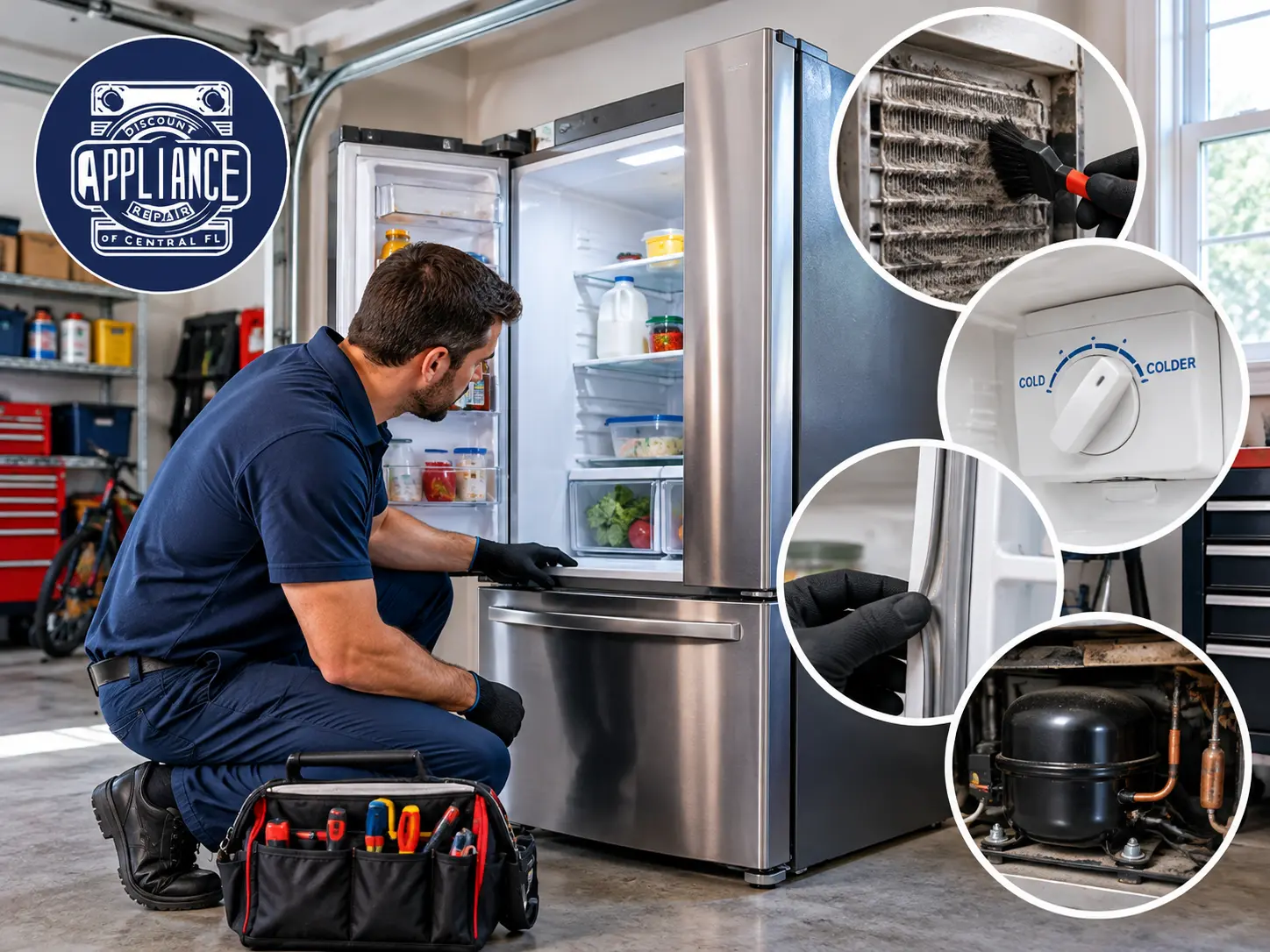
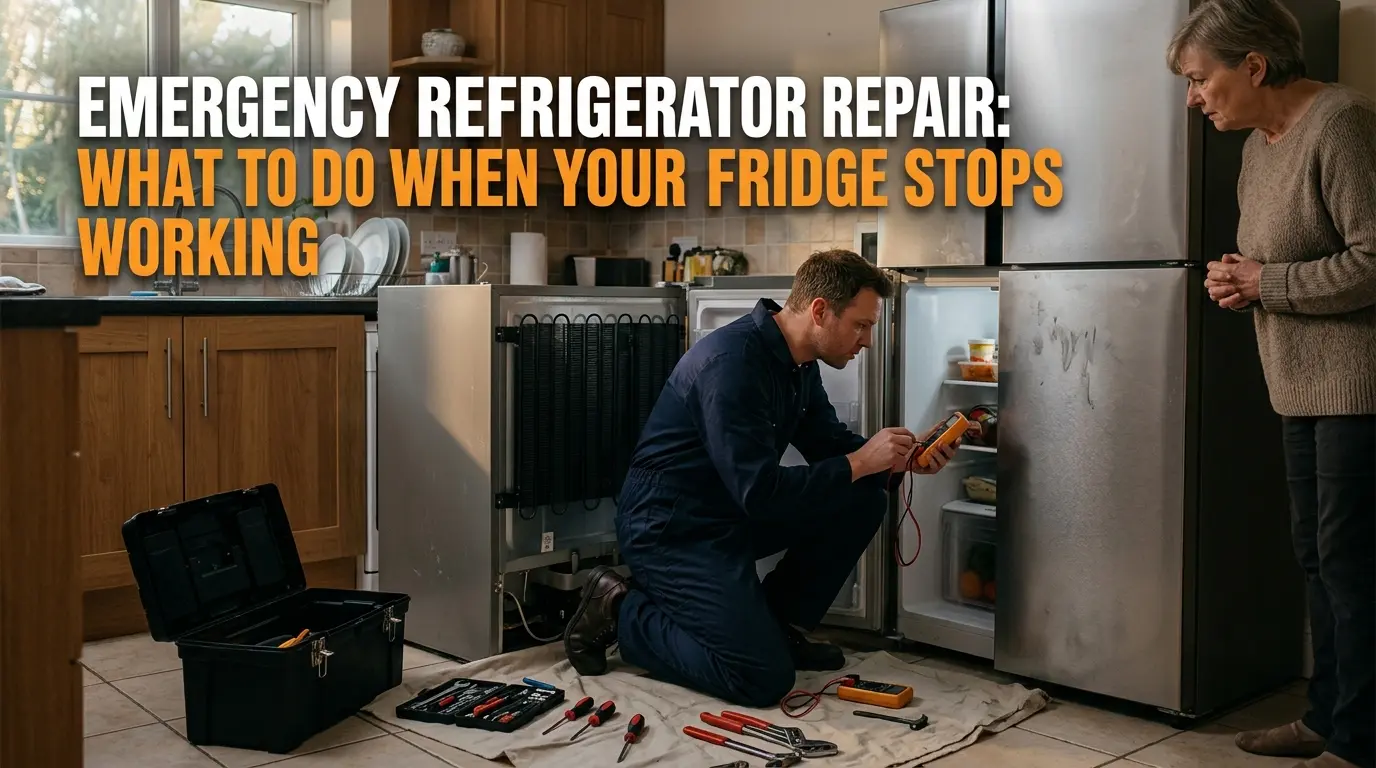
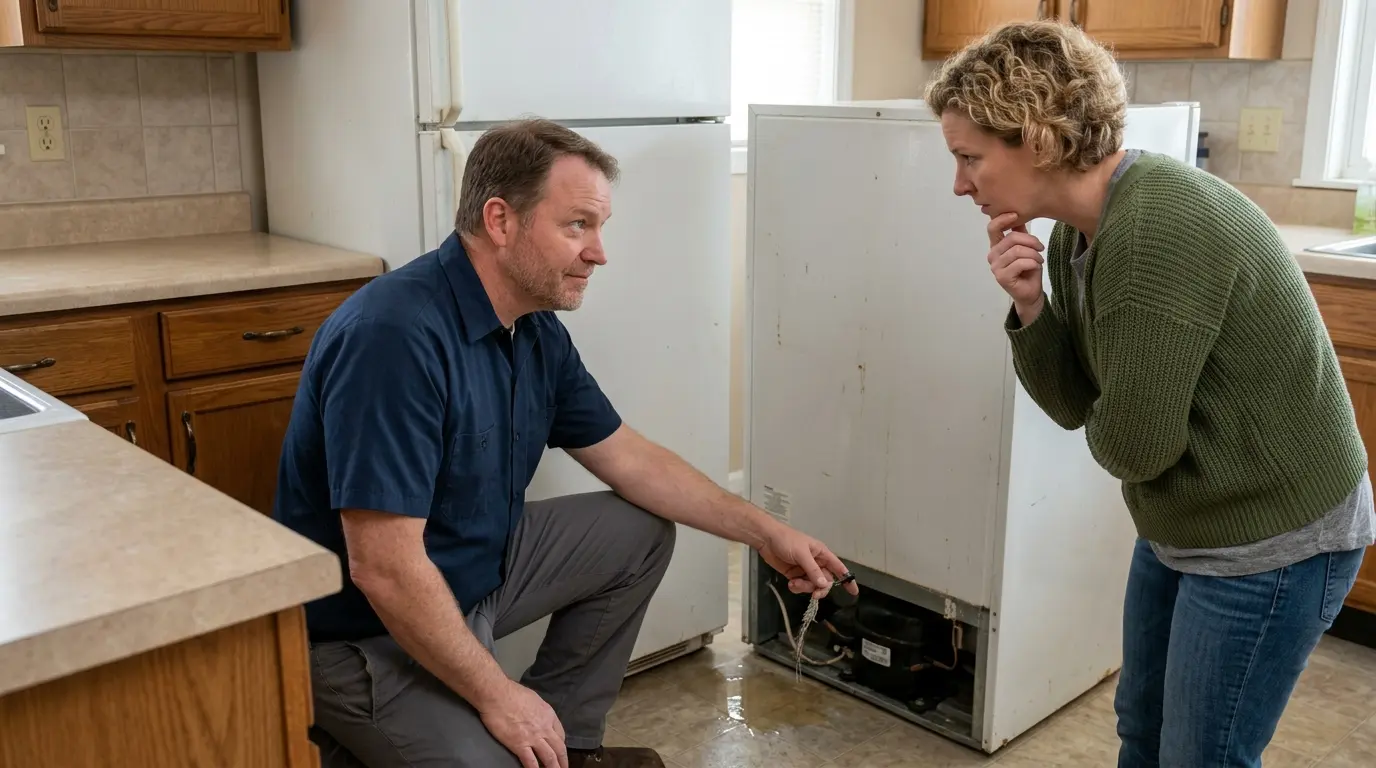
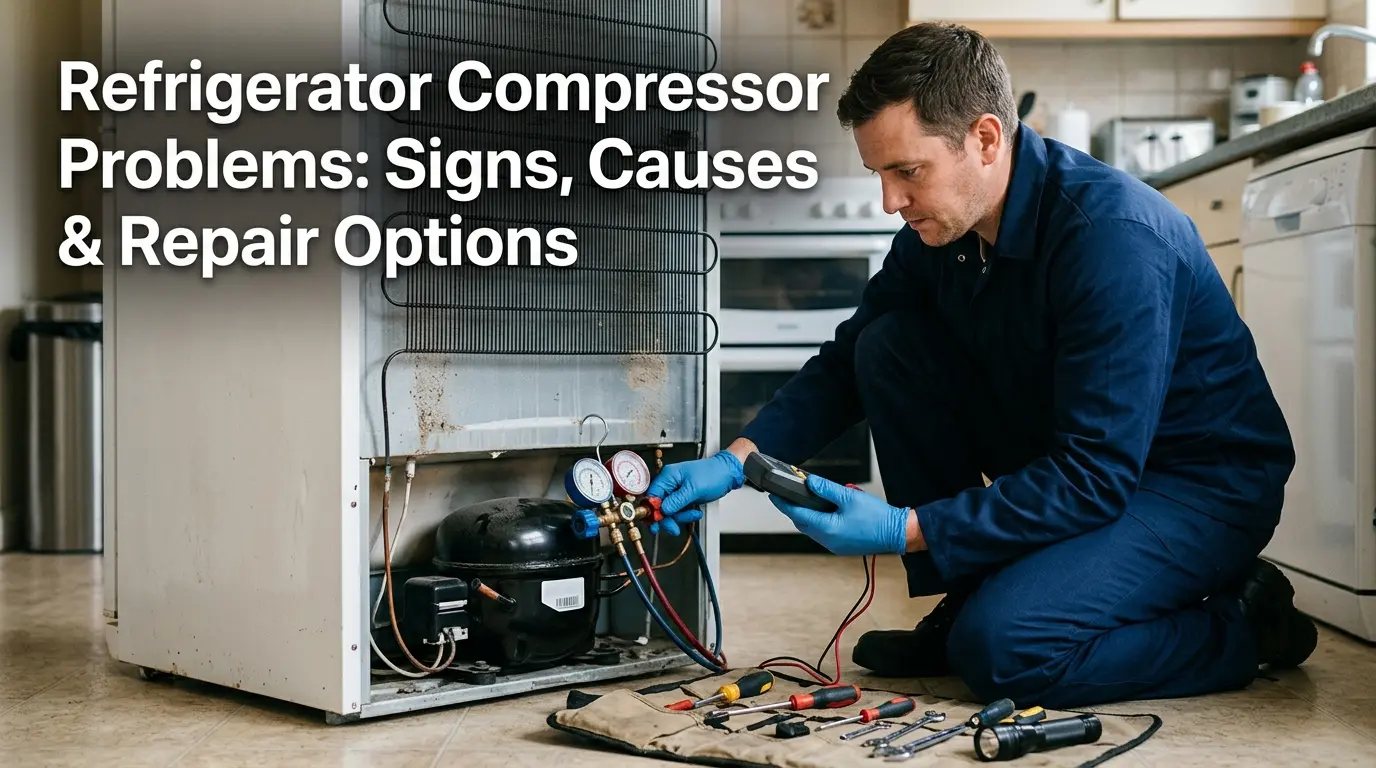
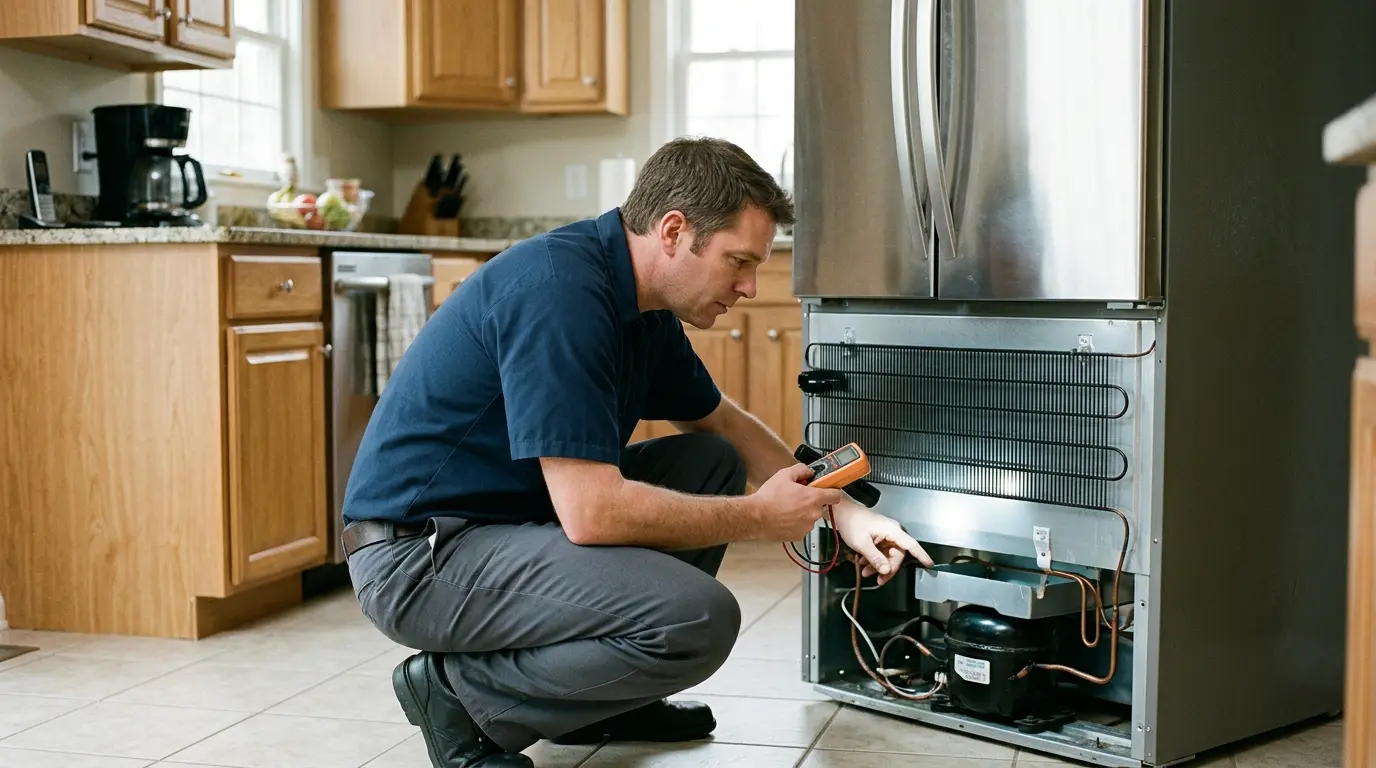
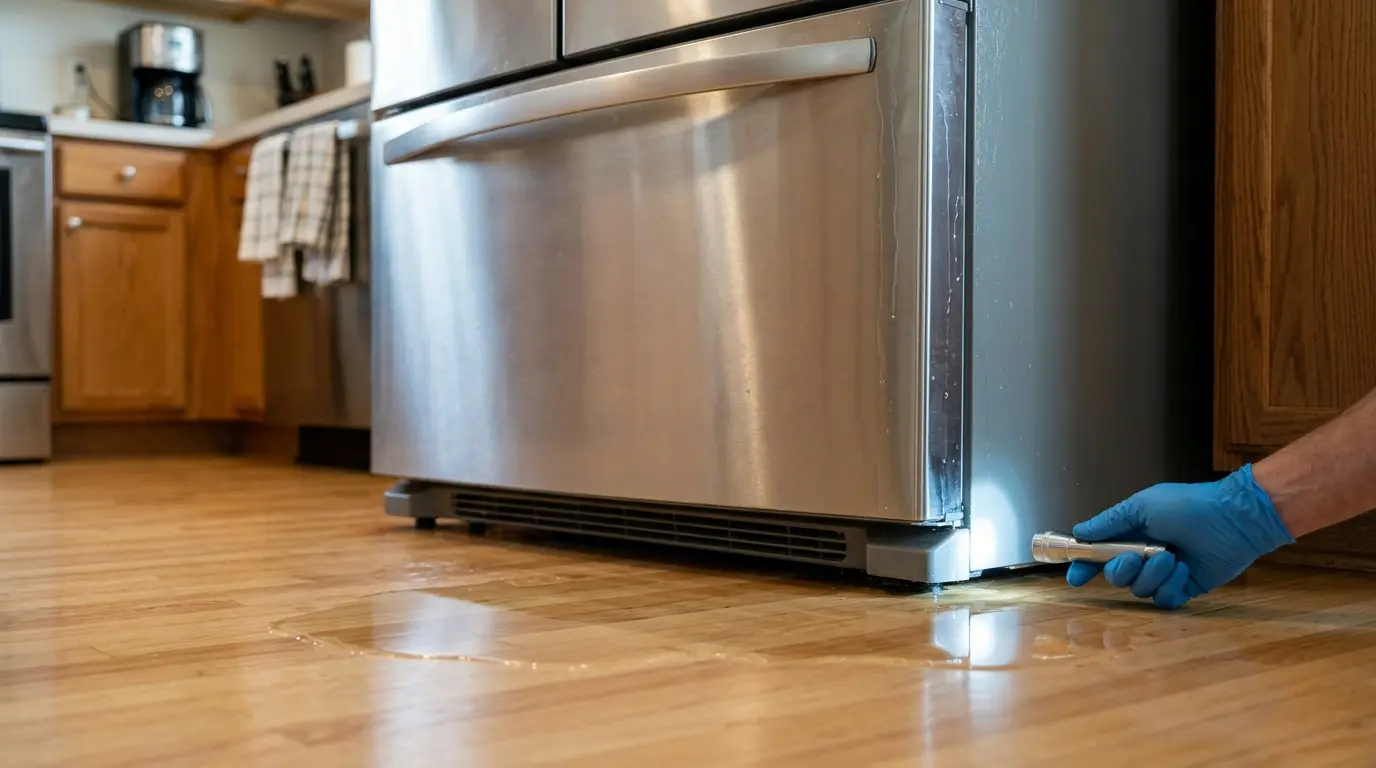
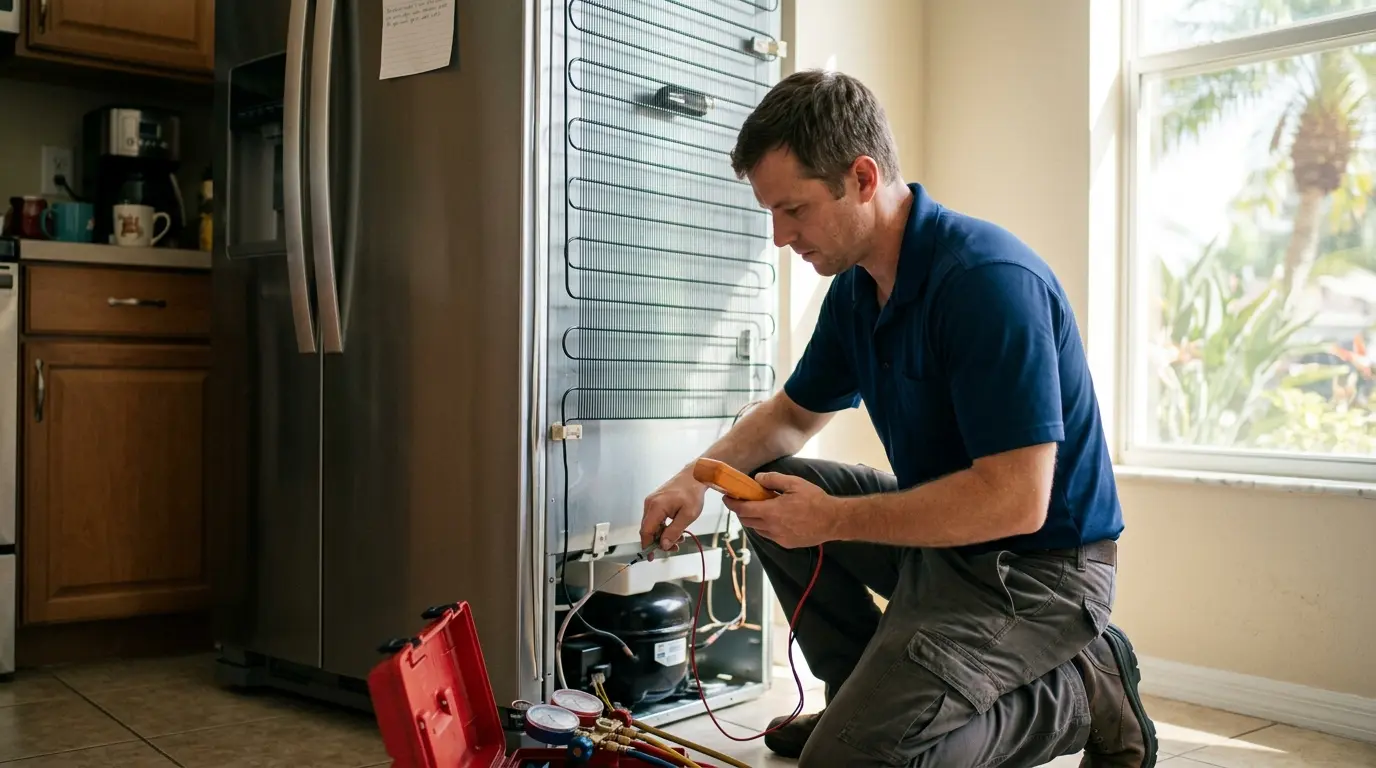
A faulty fan, door gasket, or replaceable control component may justify repair when the refrigerator otherwise works reliably. Replacement deserves consideration if cooling problems repeatedly return, a major sealed-system repair is expensive, or the unit is already approaching the end of its expected life.
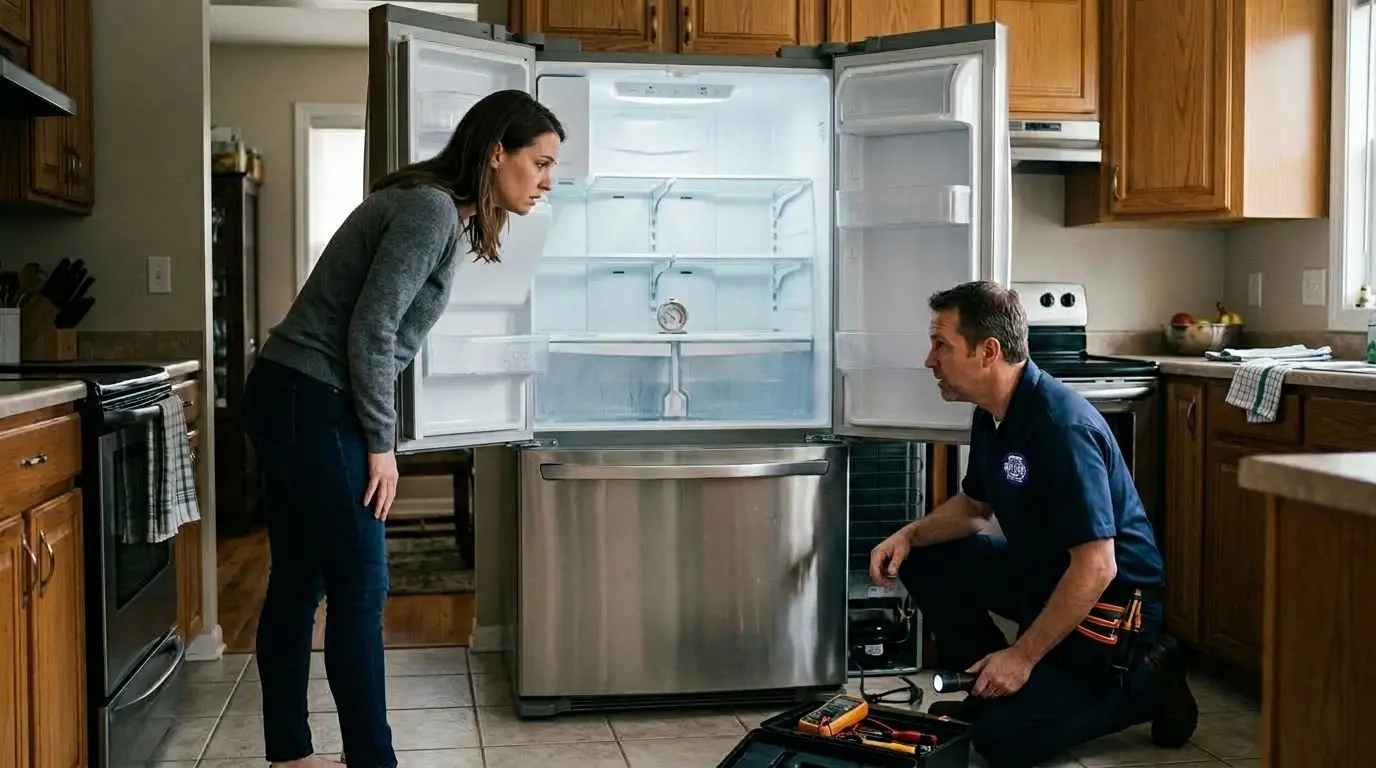
If it cannot maintain a safe food-storage temperature, move perishable food to a suitable alternative while the problem is assessed.
Washing machine
A worn belt, obstructed drain, or failed pump can often be a reasonable repair candidate, depending on the machine’s condition. Major tub, transmission, or control-system failures on an older washer may make replacement more attractive.
If you are dealing with a washer not draining, first check the manual for safe ways to inspect the drain hose and accessible filter. A simple obstruction may be less expensive to resolve than a failed component.
Dryer
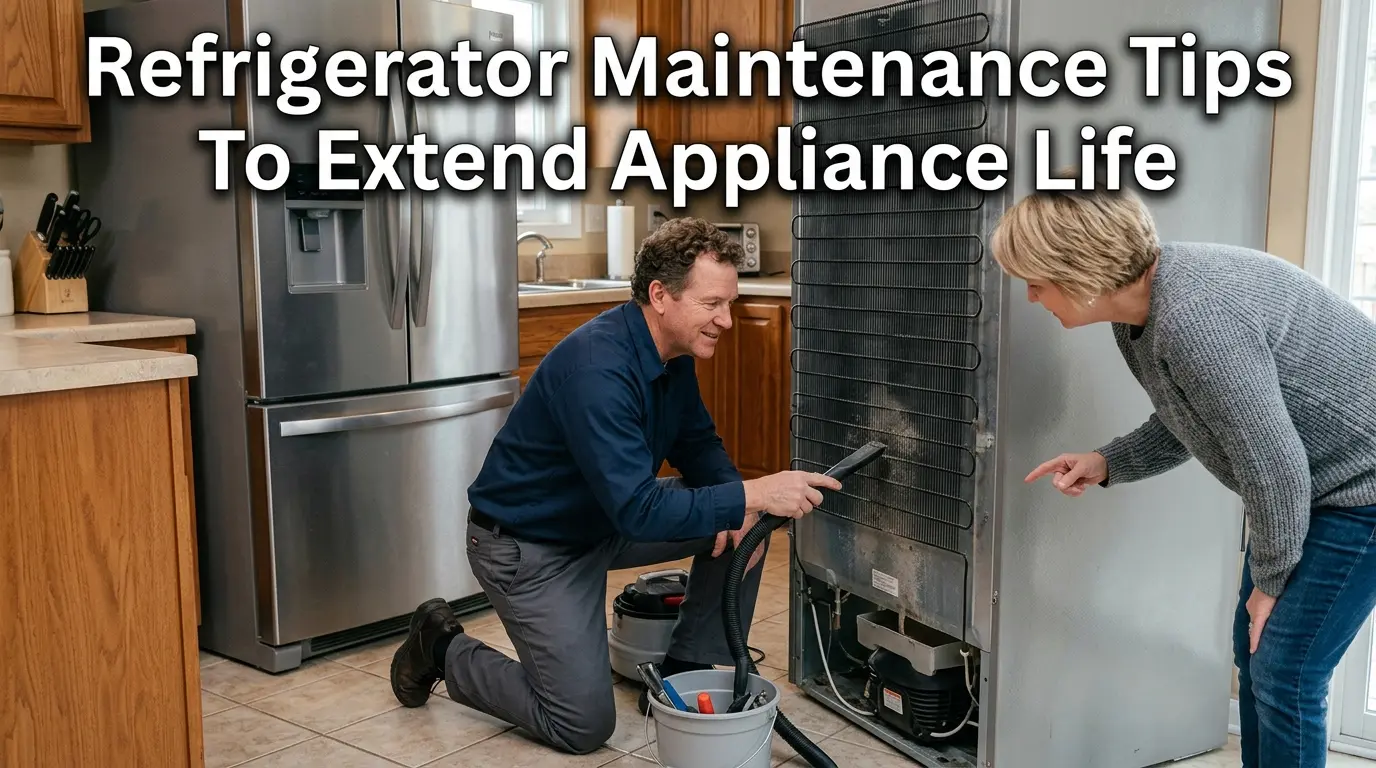
A worn belt, roller, or replaceable heating component may be worth fixing. Repeated overheating, electrical damage, or several failures on an older dryer can change the calculation. Keep the lint filter clean, and the dryer vent clear because restricted airflow can reduce performance and create a fire hazard.
Dishwasher
A faulty latch, inlet valve, or pump may be worth repairing when the rest of the machine is in good condition. Persistent leaks, damaged surrounding cabinets, and repeated expensive control failures can make replacement more sensible.
Oven or range
A failed heating element or temperature sensor may be a relatively straightforward repair. If you notice uneven oven heating, confirm the cause before assuming you need an entirely new range. Repeated major failures on an older unit may justify replacement instead.
Do Not Overlook Energy Costs and Local Conditions
A newer appliance can reduce electricity or water consumption, but efficiency alone does not guarantee that replacing a working machine will save money. Compare the current appliance’s performance with the energy information for a suitable replacement. ENERGY STAR-certified models meet applicable efficiency criteria for their product category, so compare specific models rather than relying on a label alone.
In Central Florida, consider where an appliance operates. A hot laundry area, poor dryer ventilation, moisture around electrical components, or mineral buildup from water can affect maintenance needs. These conditions are reasons to inspect and maintain appliances appropriately, not automatic reasons to replace them.
Four Questions to Ask Before Spending Money
Before approving a repair, get clear answers to these questions:
- What has actually failed? Ask for a diagnosis rather than replacing parts based on symptoms alone.
- What is the complete repair cost? Confirm parts, labor, diagnostic charges, and any additional fees.
- Are replacement parts available? Check whether the manufacturer still supports the model and how long the repair may take.
- What is the likely outlook after repair? Ask whether the appliance has other significant wear or known problems that could lead to another breakdown.
Then compare the estimate with the installed cost of a suitable replacement. A modest repair on a well-maintained appliance may offer better value than buying new. Several expensive failures, limited parts availability, and poor efficiency can shift the balance toward replacement.
When Replacement Should Take Priority
Sometimes safety matters more than the repair-versus-replacement calculation. Stop using an appliance if you notice sparks, burning electrical smells, recurring breaker trips, or suspected gas leakage. Do not open powered equipment or attempt to repair gas components yourself. If you smell gas, leave the area and contact the gas utility or emergency services from a safe location.
Replacement may also be the practical option when parts are discontinued, the appliance no longer meets household needs, or repeated repairs are consuming a large share of the replacement budget. Check installation requirements before purchasing, particularly for built-in dishwashers, gas ranges, and refrigerators that must fit existing cabinetry.
Frequently Asked Questions
Is appliance repair worth it for an older machine?
Yes, if the repair is affordable, the fault is limited, and the appliance is otherwise in good condition. Consider its age alongside repair history and expected remaining service life.
Should I replace an appliance when repair costs reach 50% of its price?
Not automatically. The 50% rule is a useful comparison point, but warranty coverage, appliance condition, energy use, and the likelihood of future failures also matter.
Do energy-efficient appliances always save enough to justify replacement?
No. Potential savings depend on the appliance, household usage, utility rates, and the efficiency difference. Compare model-specific energy information with the full replacement cost.
Final Thoughts: Make the Decision That Protects Your Budget
The best choice is not always the newest appliance or the cheapest immediate fix. It is the option that provides dependable service for a reasonable total cost. Compare the diagnosis, repair estimate, age, warranty, and likely remaining lifespan before committing.
Discount Appliance Repair of Central Florida can help homeowners understand an appliance problem and the repair involved before deciding on the next step. Getting a clear assessment first can help you avoid unnecessary replacement while recognizing when continued repairs no longer make financial sense.