
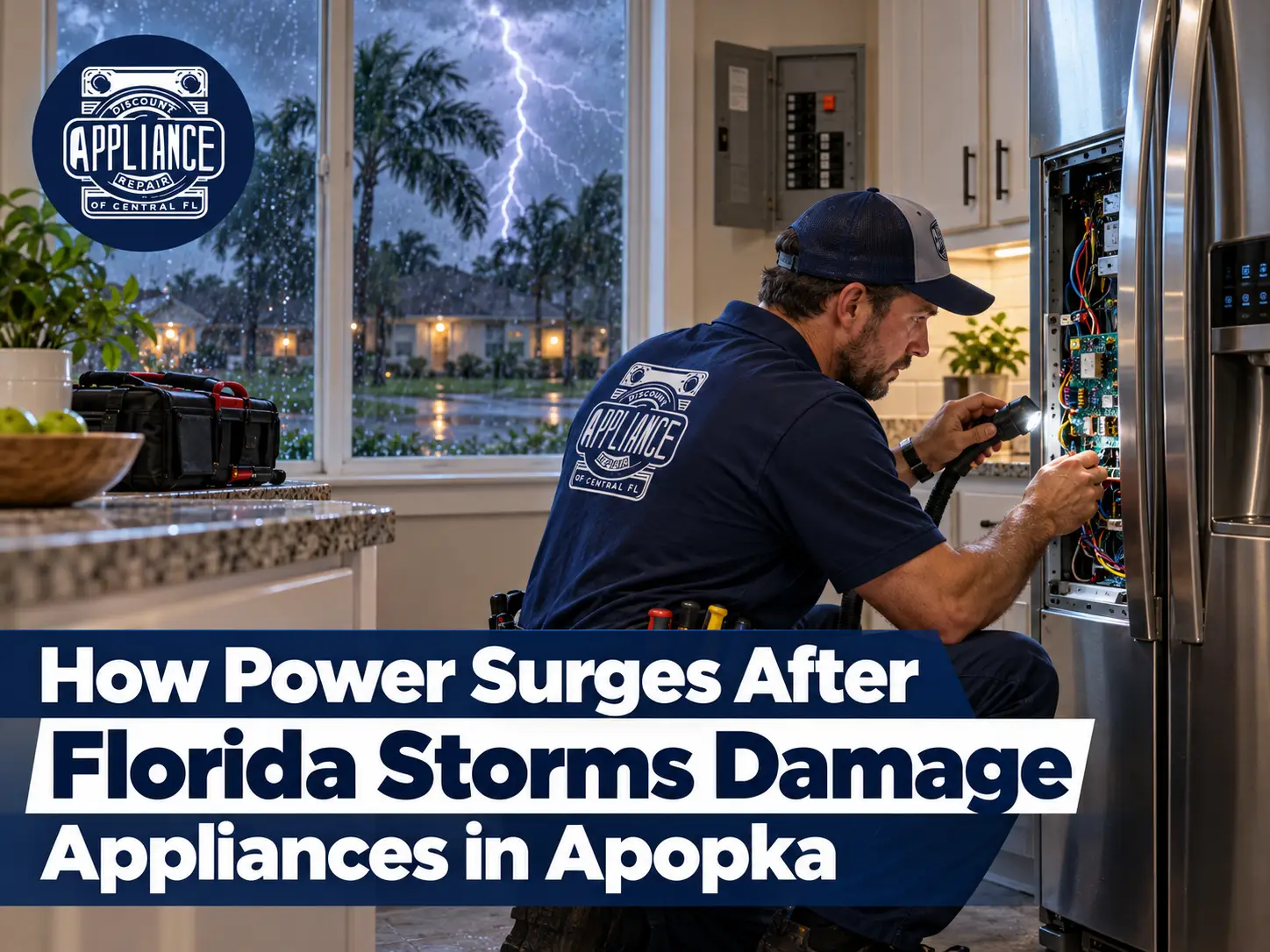
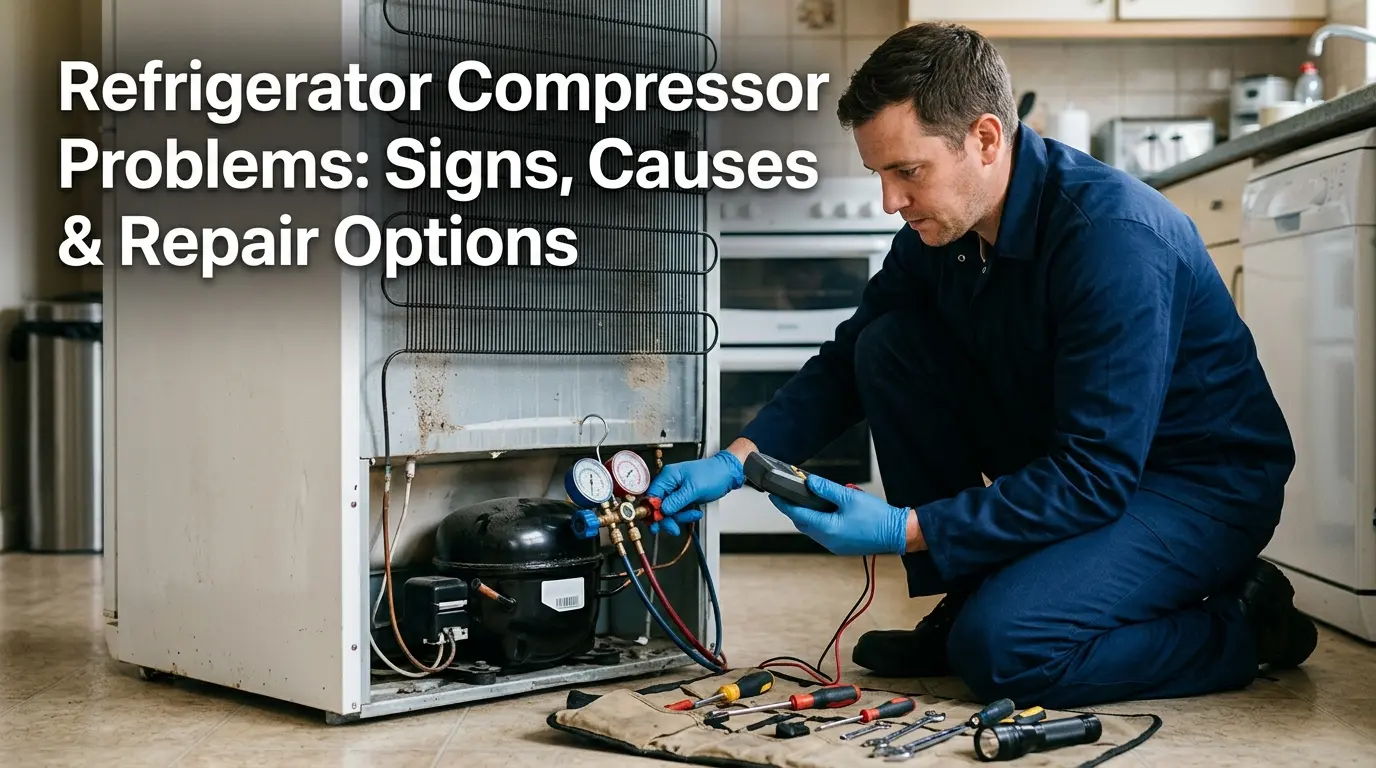
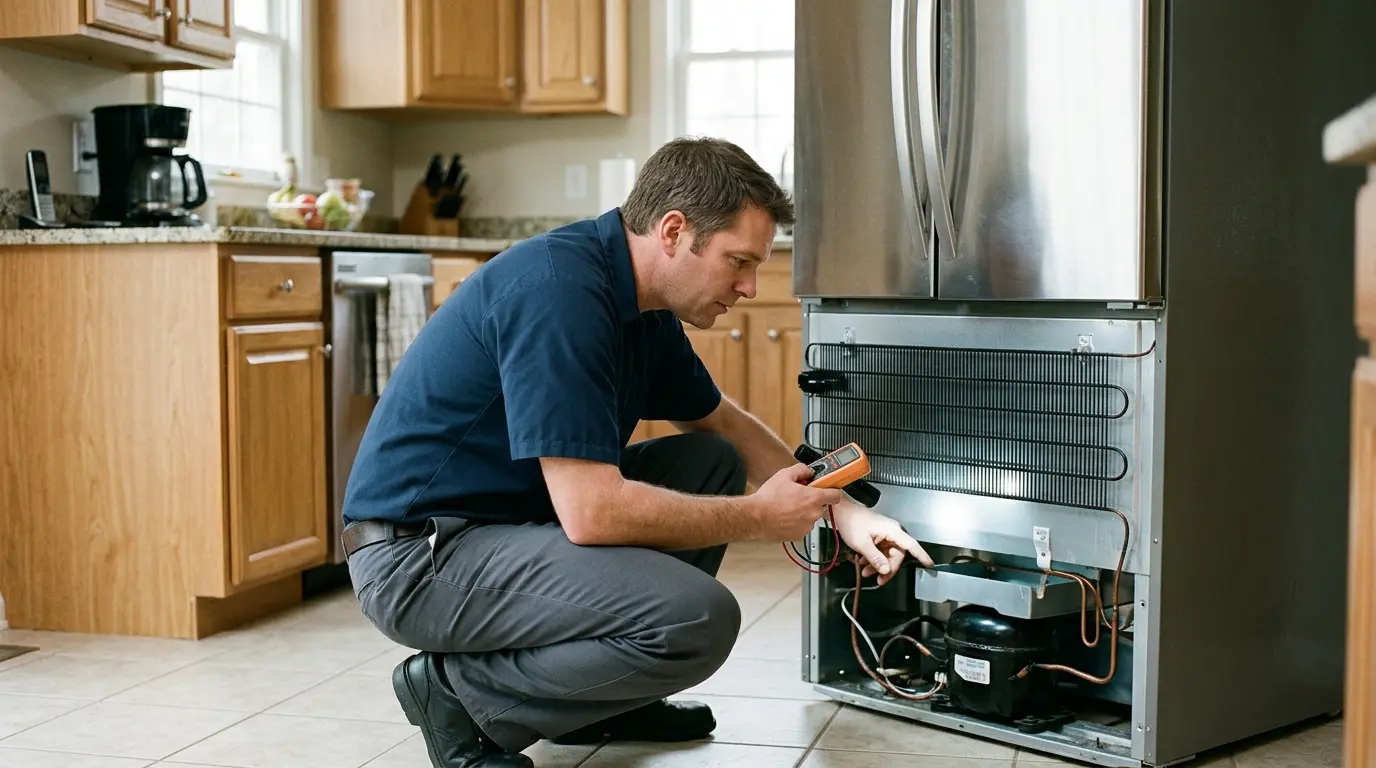
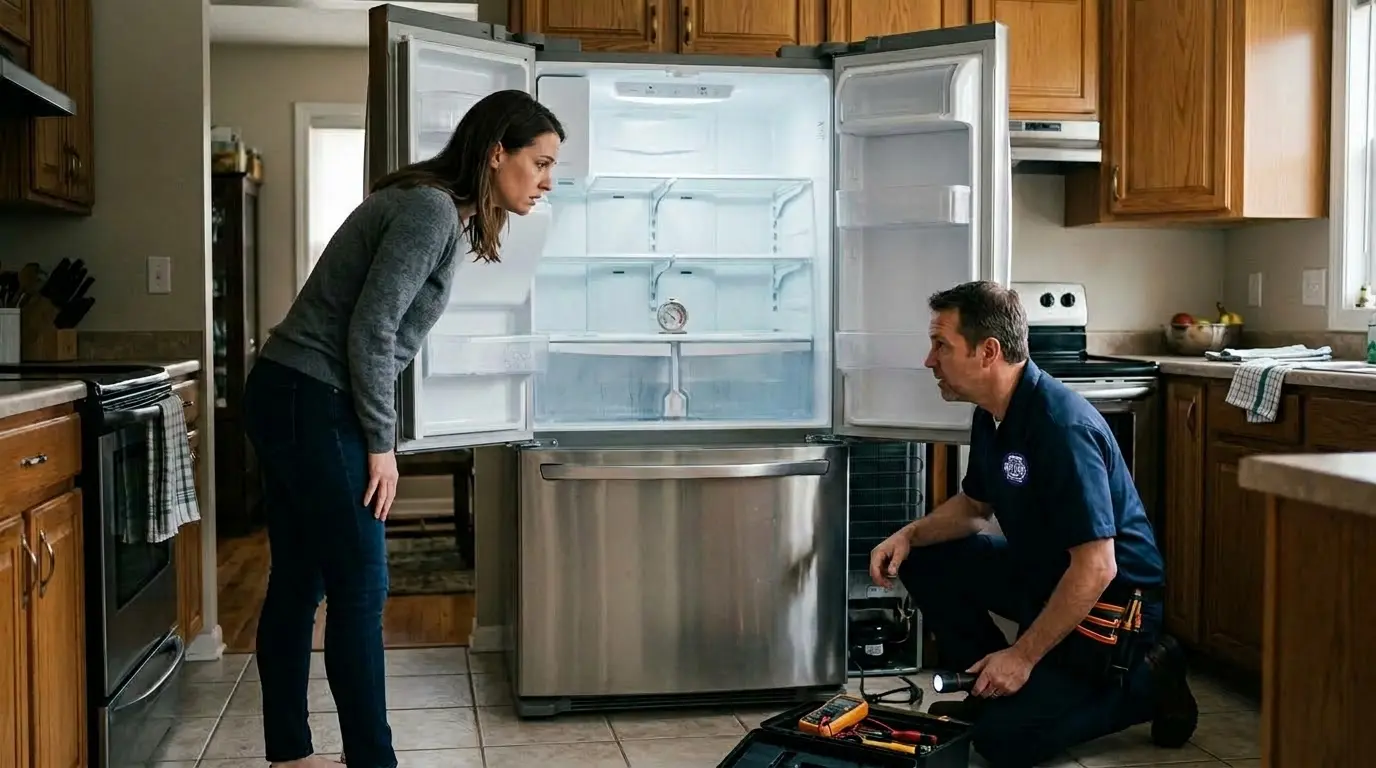
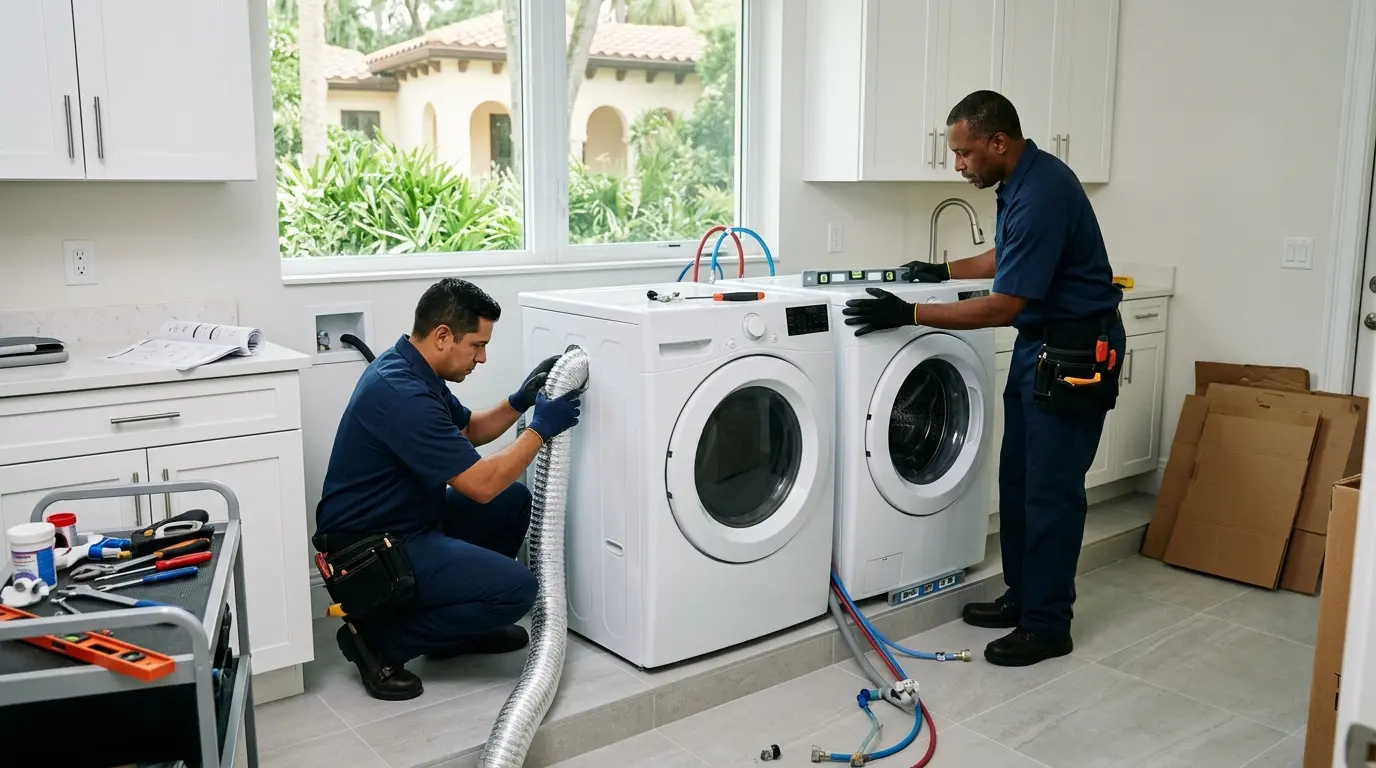
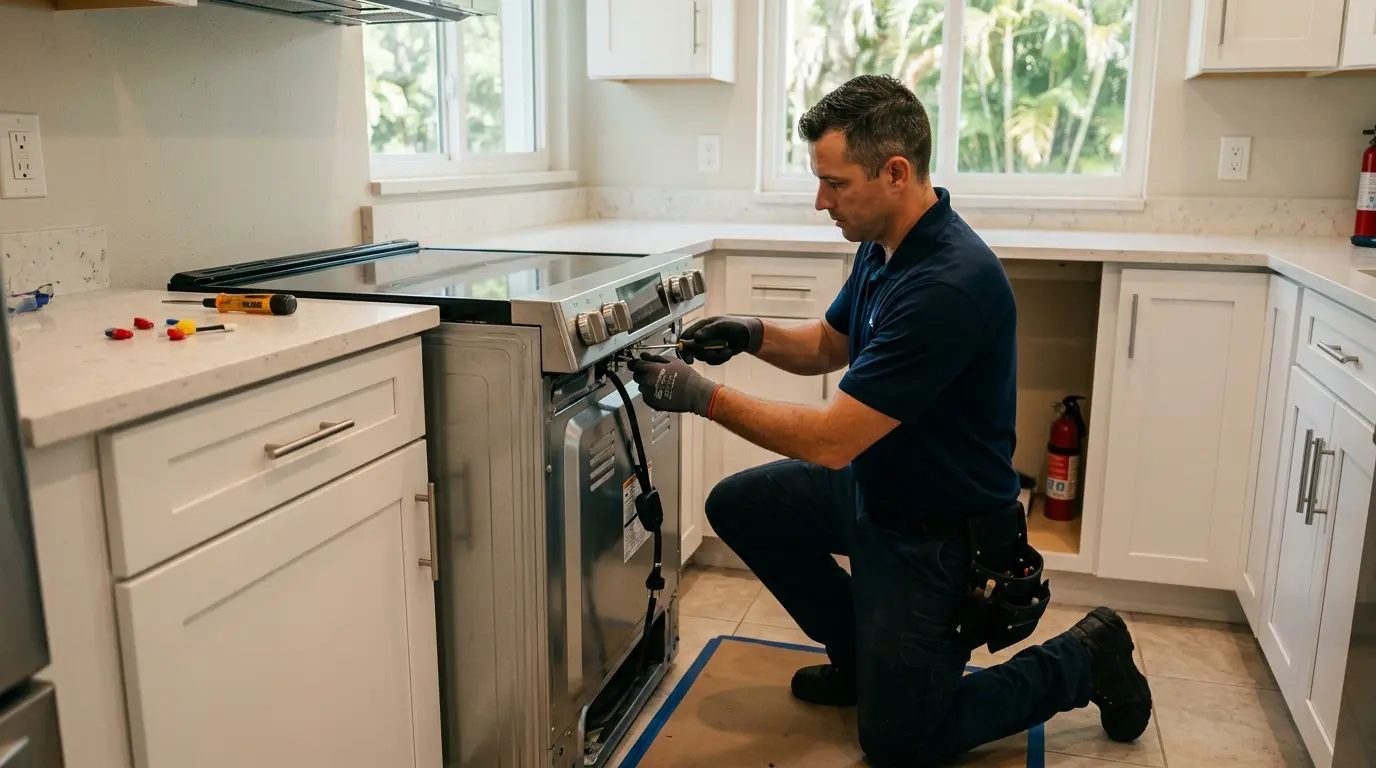
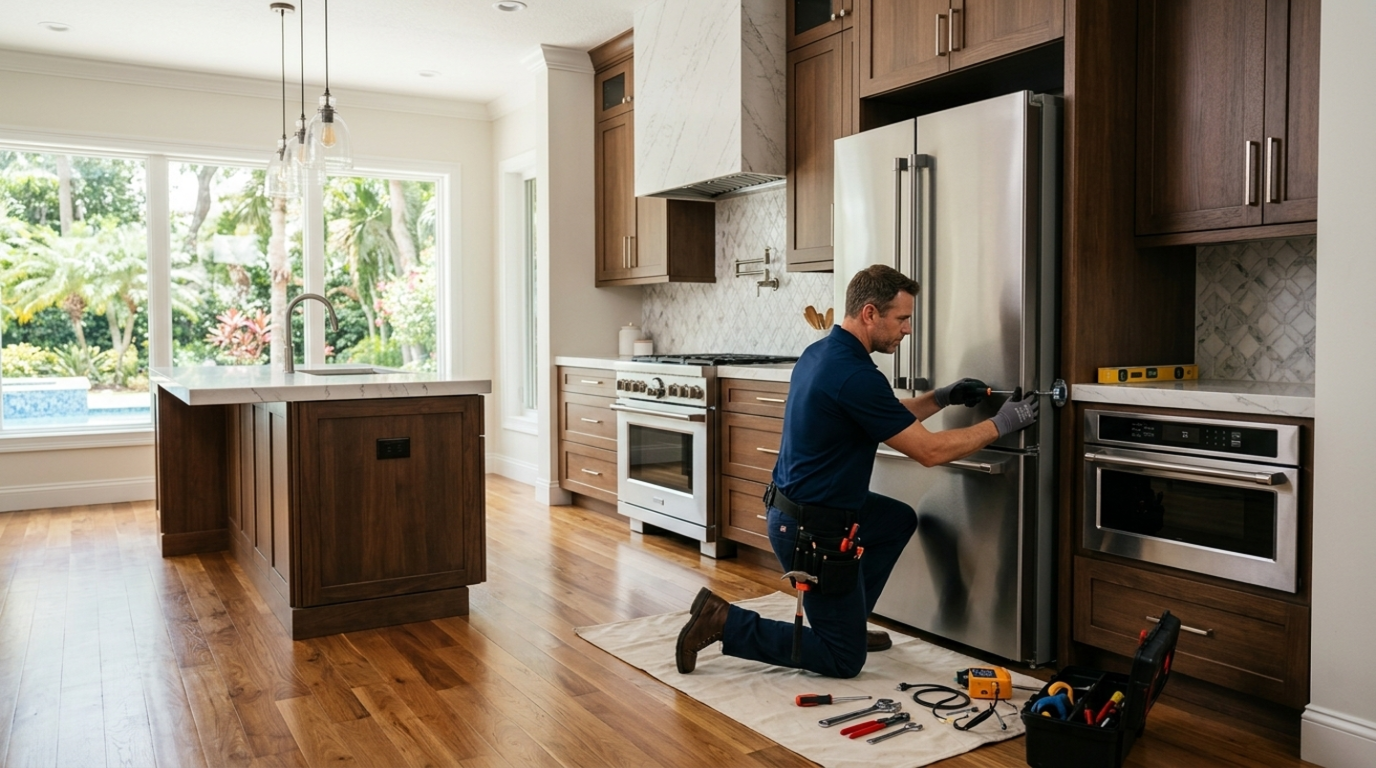

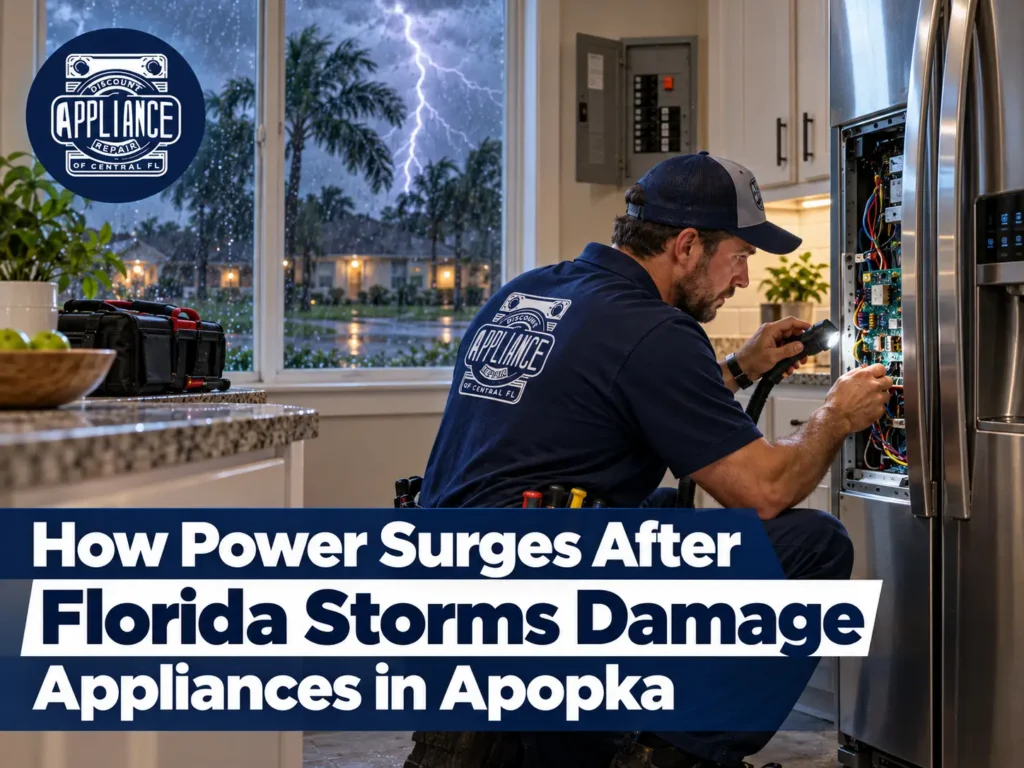
A Florida thunderstorm can leave more than fallen branches and temporary power loss behind. When the power shuts off and then restarts, a sudden surge in electricity can affect the electronics in refrigerators, washing machines, ovens, and other appliances. Sometimes the damage is obvious. Other times, an appliance starts functioning normally and then has issues within a few days.
As a homeowner in Apopka, it’s important to know what to expect when dealing with power surge appliance damage so that you avoid unnecessary repairs. According to the National Weather Service, there are over 90 days of thunderstorms in Central Florida each year. Being aware of what to look for after a storm, signs of trouble, and when to turn off an appliance can save both your equipment and your life.
Why Can Power Surges Damage Appliances?
A power surge is a short-term increase in voltage that exceeds the ability of an appliance to withstand. A surge may flow through an electrical system in the vicinity of the lightning, and power restoration and switching by utilities could also help to cause voltage fluctuations.
Modern appliances are especially dependent on electronic components. Control boards can be used to regulate cooling cycles for refrigerators, and electronic controls can be employed to control various functions for washing machines and ovens. These can be damaged by a strong electric surge, can blow a power fuse, or can impact the power supply to the appliance.
A surge does not always destroy an appliance immediately. Smaller electrical events can make components weaker or cause intermittent issues that manifest later. That is why an appliance that seems normal after a storm still deserves attention if it begins behaving differently.
Warning Signs of Storm-Related Appliance Damage
A power outage does not mean that any appliance failure was a result of a surge. There are a few red flags that might signify there is a problem with the electricity.
- The appliance will not turn on. Start-up may be prevented due to a damaged control board, internal fuse, or power supply.
- Unexpected error codes appear. Electronic controls can show faults or not work as they should.
- Performance becomes inconsistent. Refrigeration might not be able to keep things cold, or a washing machine may get stuck in the middle of the cycle and require washing machine repair.
- Heating functions fail. An oven can start to heat up but not get to the desired temperature.
- Unusual smells or sounds develop. A burning odor, buzzing, or visible scorch marks may signal an electrical problem.
If an appliance has electrical damage, burns, or smokes, do not use it. Do not constantly reset it or repeatedly connect it to the power supply. In case of smoke or fire, evacuate and call the fire service.
What Should You Check When Power Returns?
After a Florida storm, do not start all appliances at once when the power returns. A slow start makes it possible to identify issues at an early stage.
Start with these practical checks:
- Look for visible damage to plugs, cords, and nearby outlets without touching exposed or damaged wiring.
- Check whether the home’s electricity has returned normally or whether lights are unusually bright, dim, or flickering.
- Inspect appliance displays for new error codes or warning indicators.
- Confirm that essential appliances, especially refrigerators and freezers, are maintaining safe temperatures.
- Consult the manufacturer’s instructions before performing a reset.
If multiple appliances break down simultaneously, the problem could be with the home’s electrical power and not with the appliances. A tripped circuit breaker may be a sign of an electrical issue, but it is not a safe means of determining the cause, because resetting the circuit breaker repeatedly is not a safe practice.
When it comes to electrical supply problems, call a qualified electrician if you have any concerns. If the supply is normal but one appliance continues to be faulty, then an appliance repair technician can go and explore the internal components.
Which Appliances Are Most Vulnerable?
Electrical surges can damage appliances, but the extent of the damage will depend on the type of appliance, surge level, and surge protection in place.
| Appliance | Possible symptoms after a surge |
| Refrigerator | Control display failure, interrupted cooling, or unusual cycling |
| Washing machine | Unresponsive controls or interrupted wash cycles |
| Electric oven | Display faults or failure to heat correctly |
| Dishwasher | Failed startup or unexpected error codes |
| Microwave | No power or malfunctioning electronic controls |
| Smart appliances | Lost settings, communication problems, or control failures |
Such symptoms do not necessarily indicate damage from surges. The same problems can arise from a failed component, loose connection, normal wear, or another electrical problem. A detailed test can be done to discover the exact issue without replacing any parts.
How Can Apopka Homeowners Reduce Surge Damage?
Surge protection can reduce risk, but no device guarantees that appliances will survive every electrical event.
Consider these protective measures:
- Whole-home surge protection: A properly selected device installed at the electrical panel can help limit certain surges entering through the home’s electrical system.
- Point-of-use surge protectors: Use appropriately rated, listed surge-protective devices for compatible electronics and appliances. A basic power strip is not necessarily a surge protector.
- Manufacturer guidance: Check whether an appliance requires a dedicated circuit or has specific electrical protection recommendations.
- Storm preparation: When a storm is approaching, and it is safe to do so, disconnect nonessential sensitive electronics before the storm arrives. Never handle plugs or electrical equipment during a lightning event or around wet surfaces.
- Professional inspection: Have recurring electrical problems assessed instead of assuming every issue is an appliance defect.
Whole home and point-of-use protection can be used together, but it depends on the correct device installation and appropriate equipment. Consult a licensed electrician about choices that would work with the electrical panel and appliances in the house.
When Should You Schedule Appliance Repair?
There are appliances that, even if they are on, require professional service. Arrange an inspection if an appliance repeatedly stops working, displays persistent error codes, fails to perform its main function, or develops new electrical symptoms after a storm.
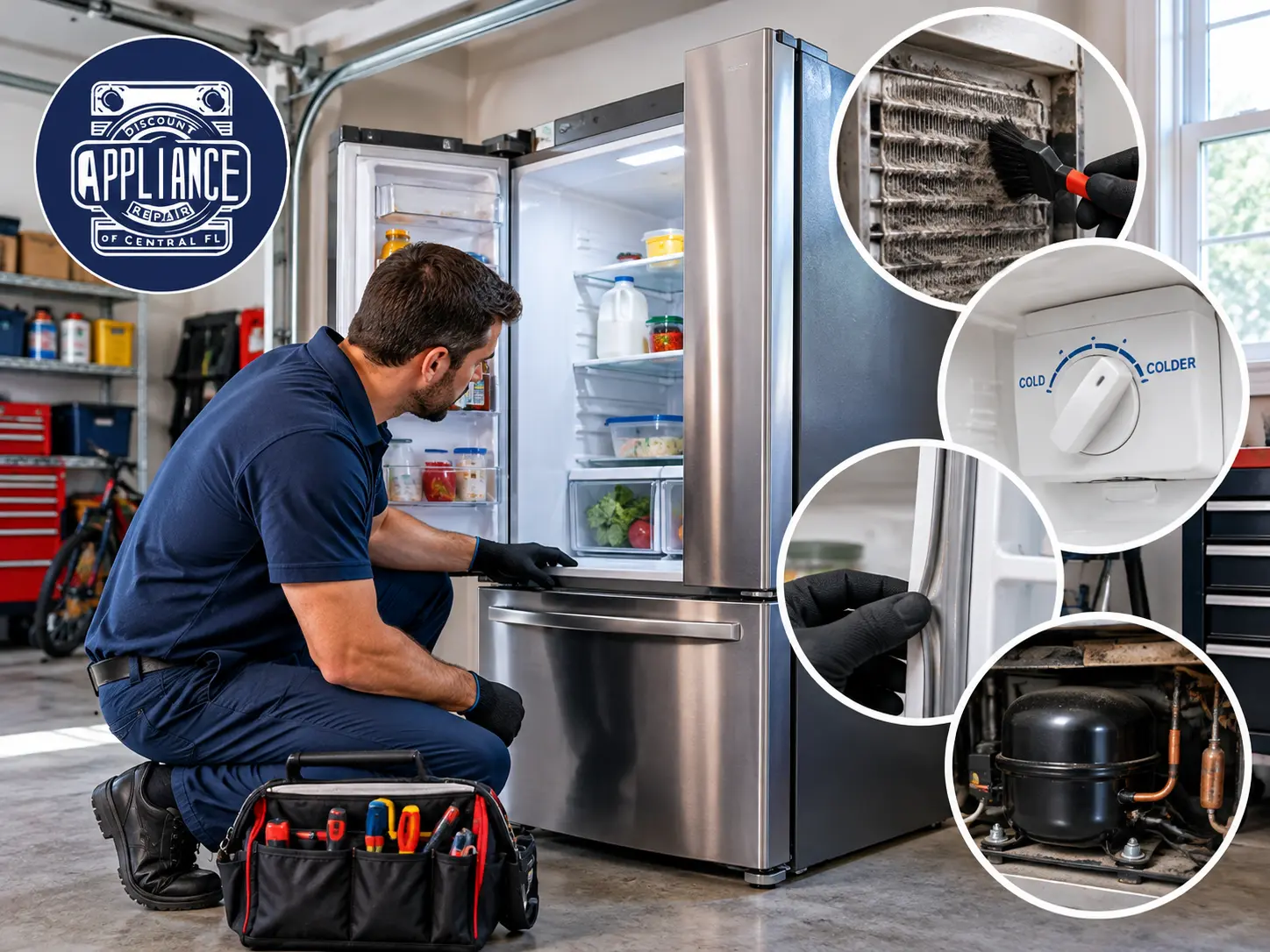
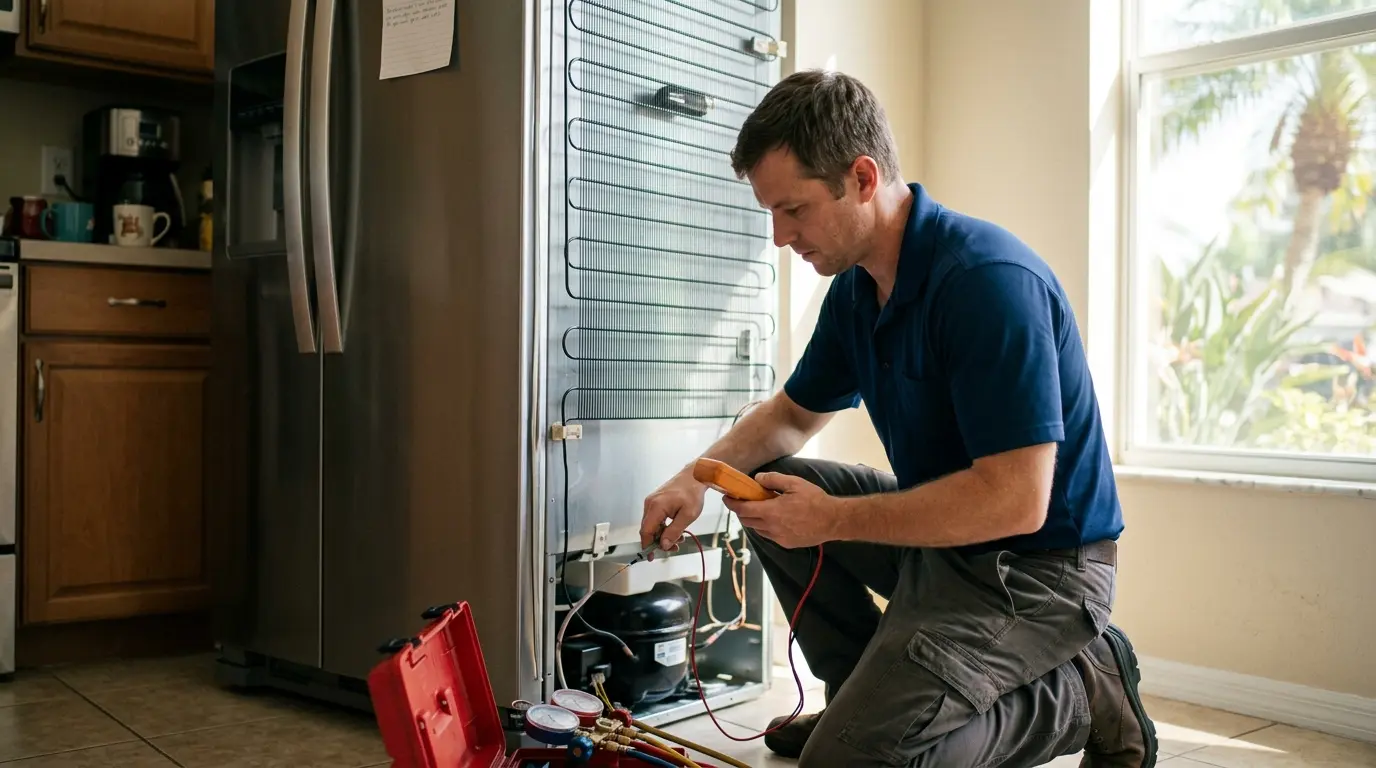
Refrigerators should be given special consideration, as a failure in the electricity supply can stop them from cooling and create a need for refrigerator repair, while putting food at risk. Without power, the unopened refrigerator will keep food safely cold for about 4 hours. (FoodSafety.gov) When the freezer is half full and closed, it will keep food safe for about 24 hours, and a full freezer, about 48 hours. These times are for food safety purposes only, and do not indicate that an appliance is operating properly.
Discount Appliance Repair of Central Florida provides appliance repair services in Apopka, FL, helping homeowners investigate appliance problems and determine whether repair is appropriate. If multiple appliances are affected, an electrician should also assess whether the home’s electrical system or incoming power supply is contributing to the problem.
Frequently Asked Questions
Can a power surge damage an appliance without turning it off?
Yes. A surge can mess with electronic parts, and you won’t always notice right away. You might start seeing new error codes, weird behavior, or the appliance may not work as well as before.
Should I unplug appliances after a storm?
Only do so when conditions are safe, and there are no signs of electrical damage, standing water, or lightning activity. Never touch damaged plugs or wet electrical equipment.
Will a surge protector prevent all appliance damage?
No. Surge protectors help with certain spikes in voltage, but there’s a limit to what they can do. Picking the right device and getting it professionally installed is important.
Why do several appliances stop working after an outage?
If multiple appliances quit at once, it’s usually a shared supply issue or a surge that hit several devices. Get a qualified electrician to check the system, and look into appliance diagnostics if needed.
Final Thoughts: Protect Appliances After the Storm
Just because the power’s back doesn’t mean appliances are totally fine. Keep an eye out for warning signs, try to avoid constant resets, and get a professional to check things out if your equipment acts up after a storm.
For homeowners in Apopka, combining sensible storm preparation with suitable surge protection can help reduce avoidable damage. As a trusted appliance repair company in Central Florida, Discount Appliance Repair of Central Florida can help identify appliance faults and recommend the next step when storm-related electrical problems disrupt everyday household use.