

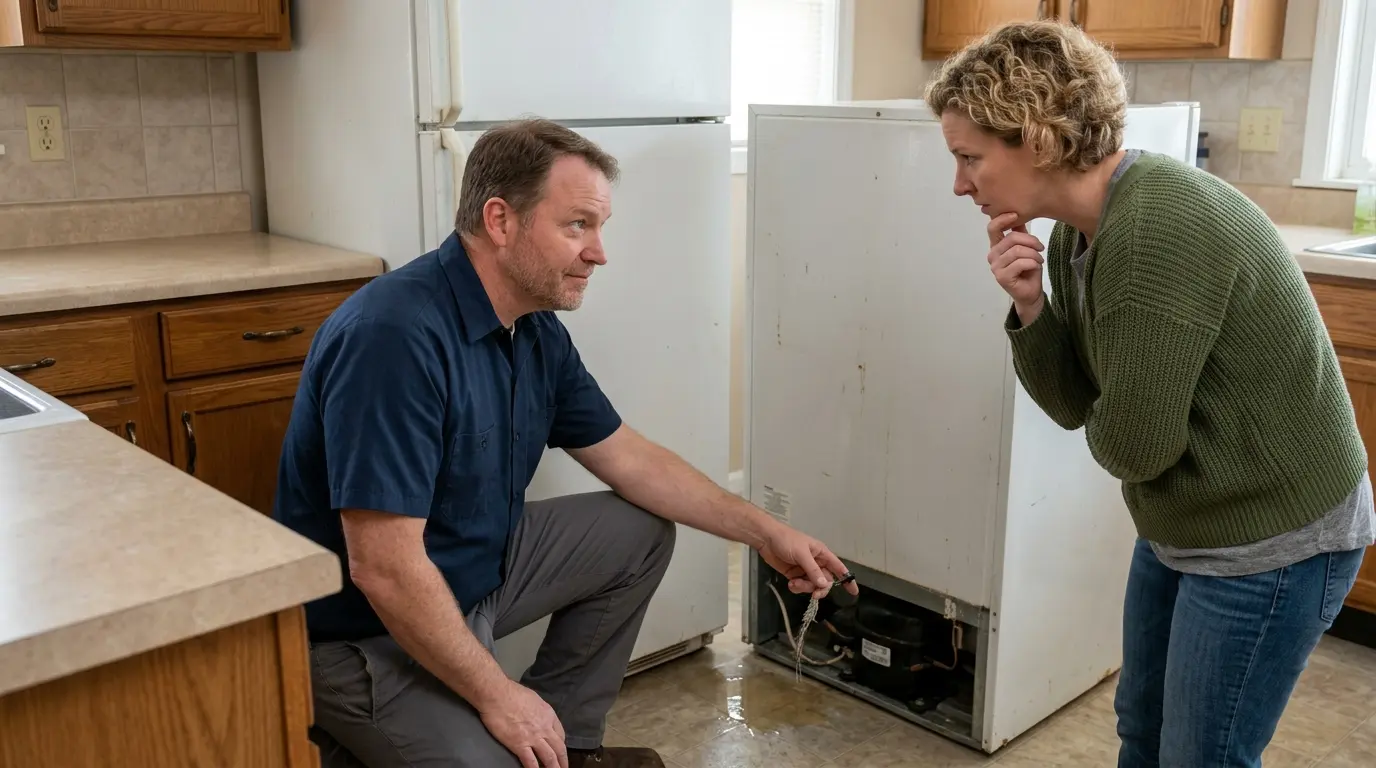
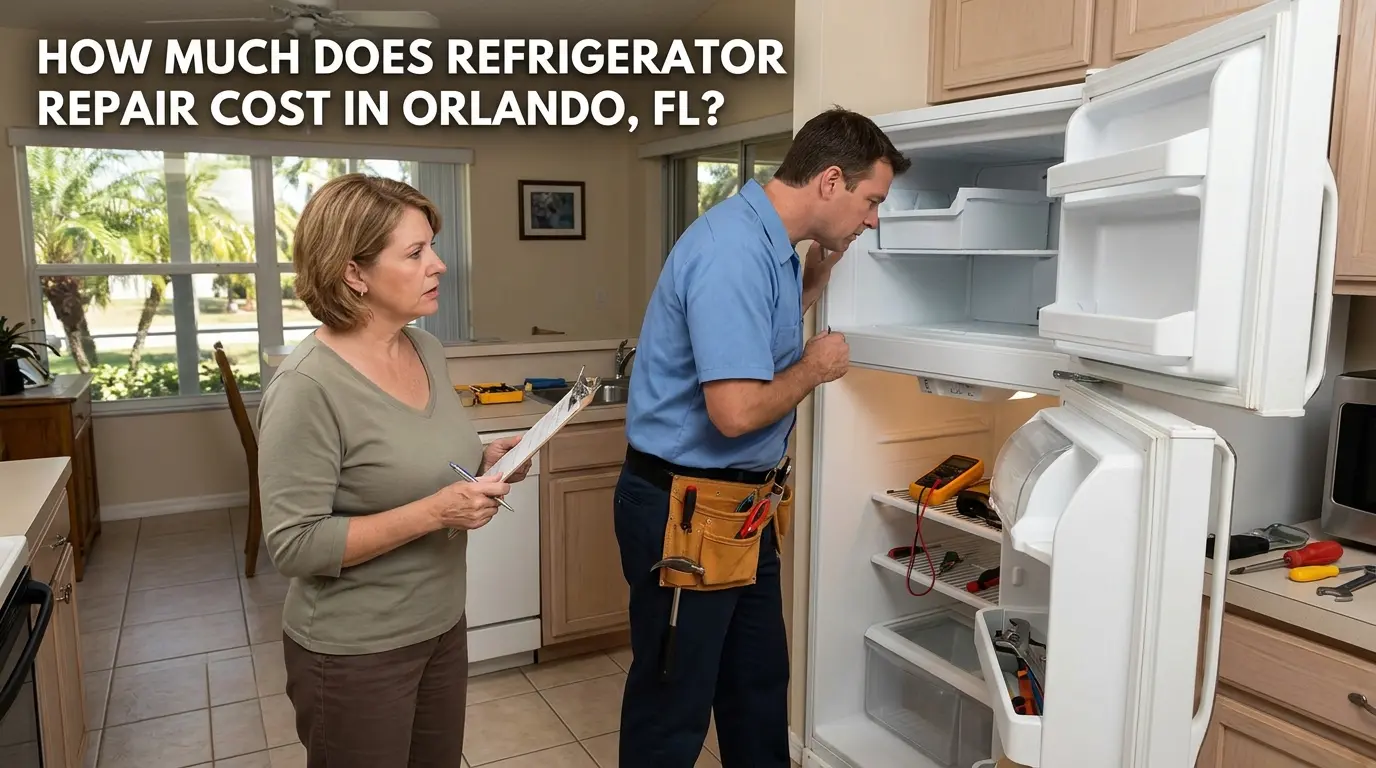
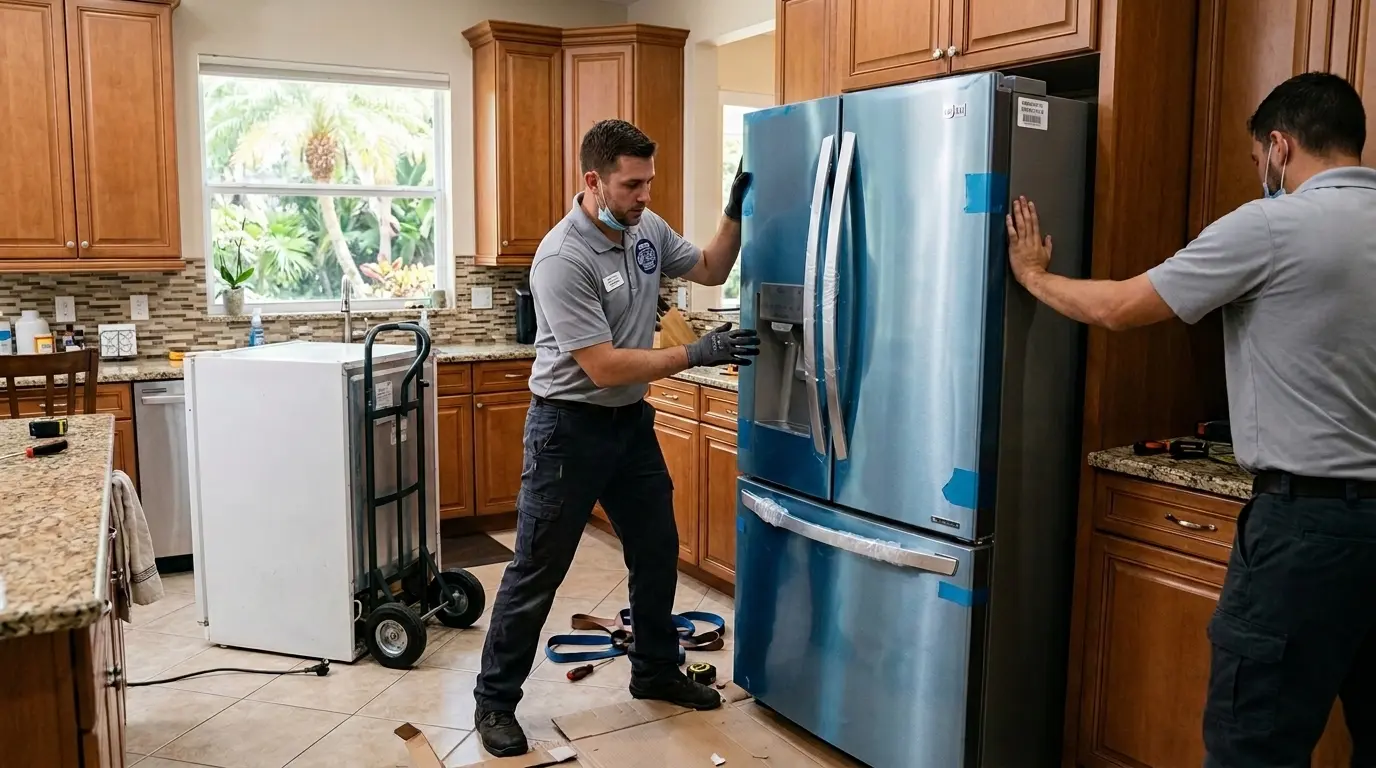
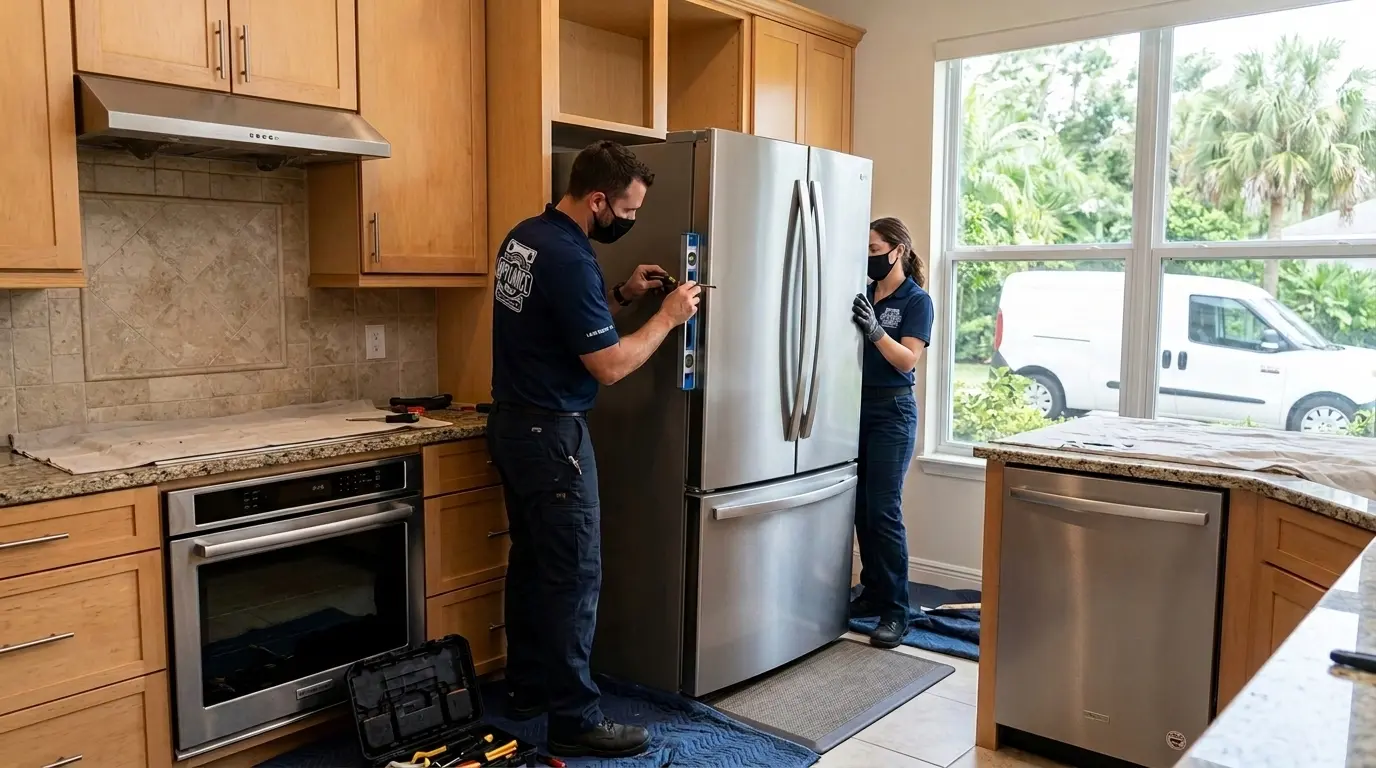

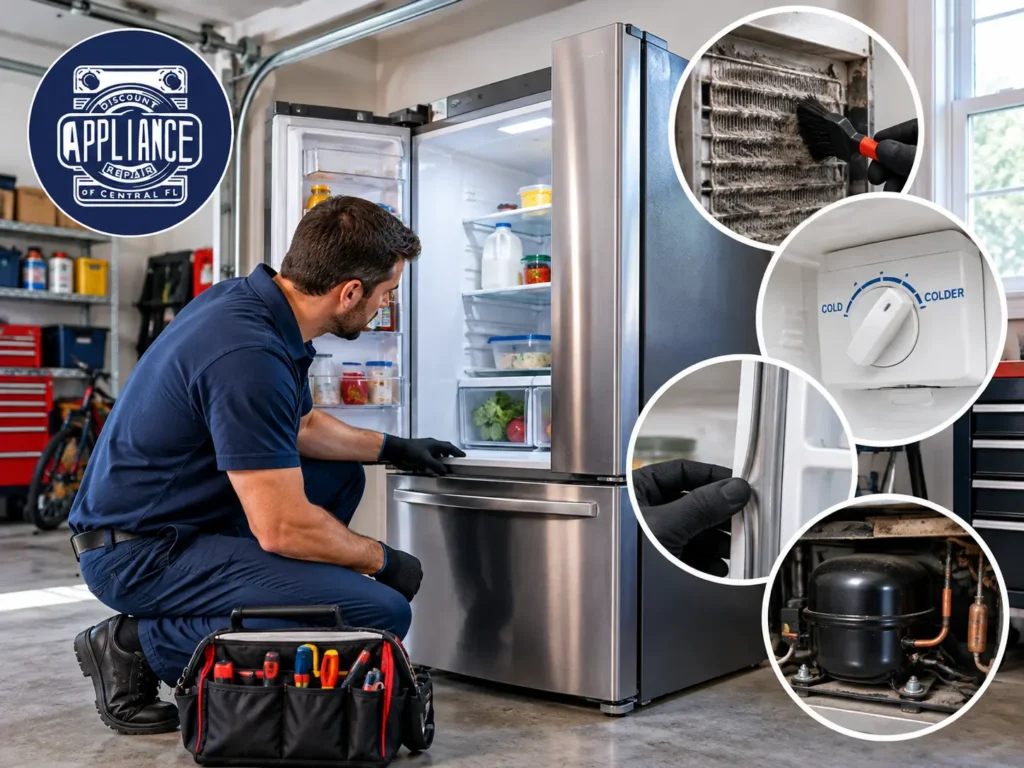
Some models may struggle to maintain the proper temperature in the extra heat, reduced airflow, and challenging summer climate of Florida. In Apopka, FL, if your garage refrigerator isn’t cooling, it could be due to the garage environment, regular maintenance, or a broken part.
Inspect some possible reasons before replacing the appliance. Knowing the difference between a maintenance problem and a mechanical problem can help you determine when you need professional refrigerator repair.
Why Apopka’s Heat Can Affect a Garage Refrigerator
Apopka experiences long, hot summers. NOAA-based 1991–2020 climate normals for the nearby Mount Plymouth weather station show an average July high of approximately 92.5°F. Garages can heat up to even higher temperatures than outdoor areas, particularly if the garage is directly in the sun or has few windows.
These conditions are important because a refrigerator transfers heat from the interior of its compartments to the outside air. If air is already hot, then the appliance will need to do more work to get rid of the heat. Some models might operate for a longer time, consume more power, or be less efficient at keeping food at a safe temperature.
Not all refrigerators will perform well under these conditions. A standard kitchen refrigerator might have a more limited operating-temperature range than a refrigerator that can be used in a garage. Always read the manufacturer’s directions before assuming your appliance can be used in the garage.
5 Common Reasons Your Garage Refrigerator Is Not Cooling
1. The Garage Is Too Hot for the Refrigerator
The cooling performance of a refrigerator may be affected in high ambient temperatures if the temperature is outside the approved limit. The compressor might run often, and the inside of the refrigerator stays hotter than it should.
Take the temperature near the appliance at the hottest time of the day. Check against the operating range in the manual. If garage temperatures often go above or below the recommended level, you might want to move the refrigerator or use a model that’s built to use a garage’s temperature.
2. Dirty Condenser Coils Restrict Heat Release
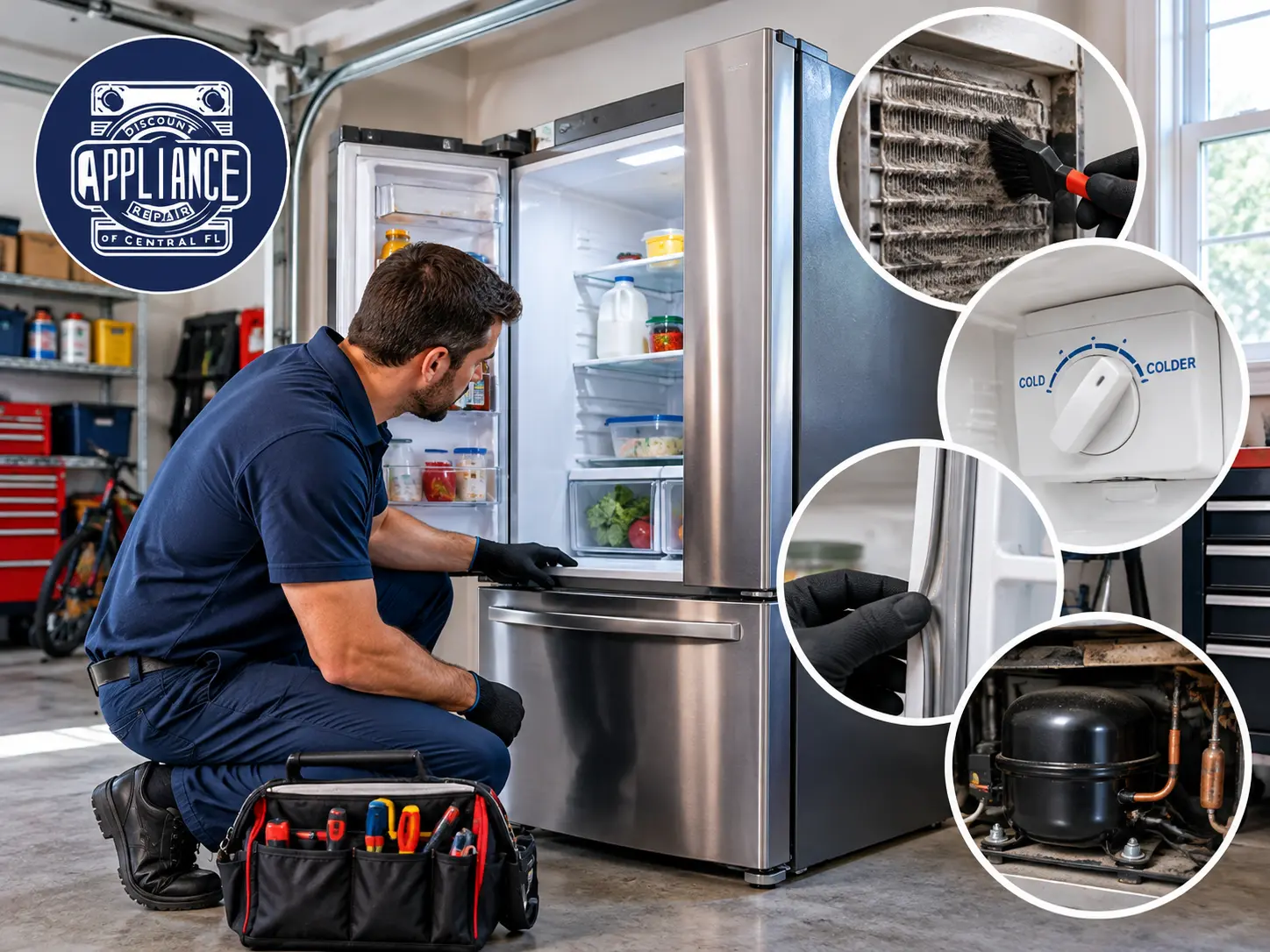
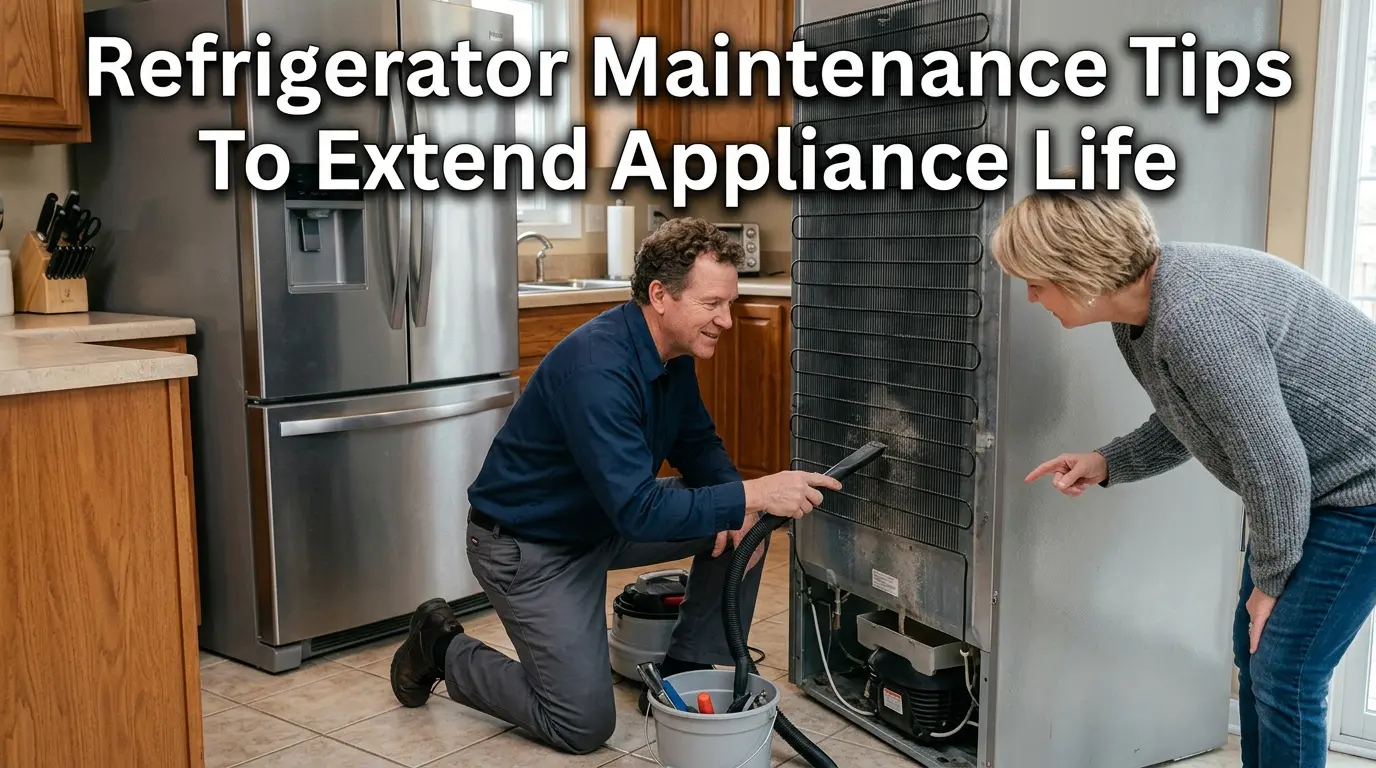
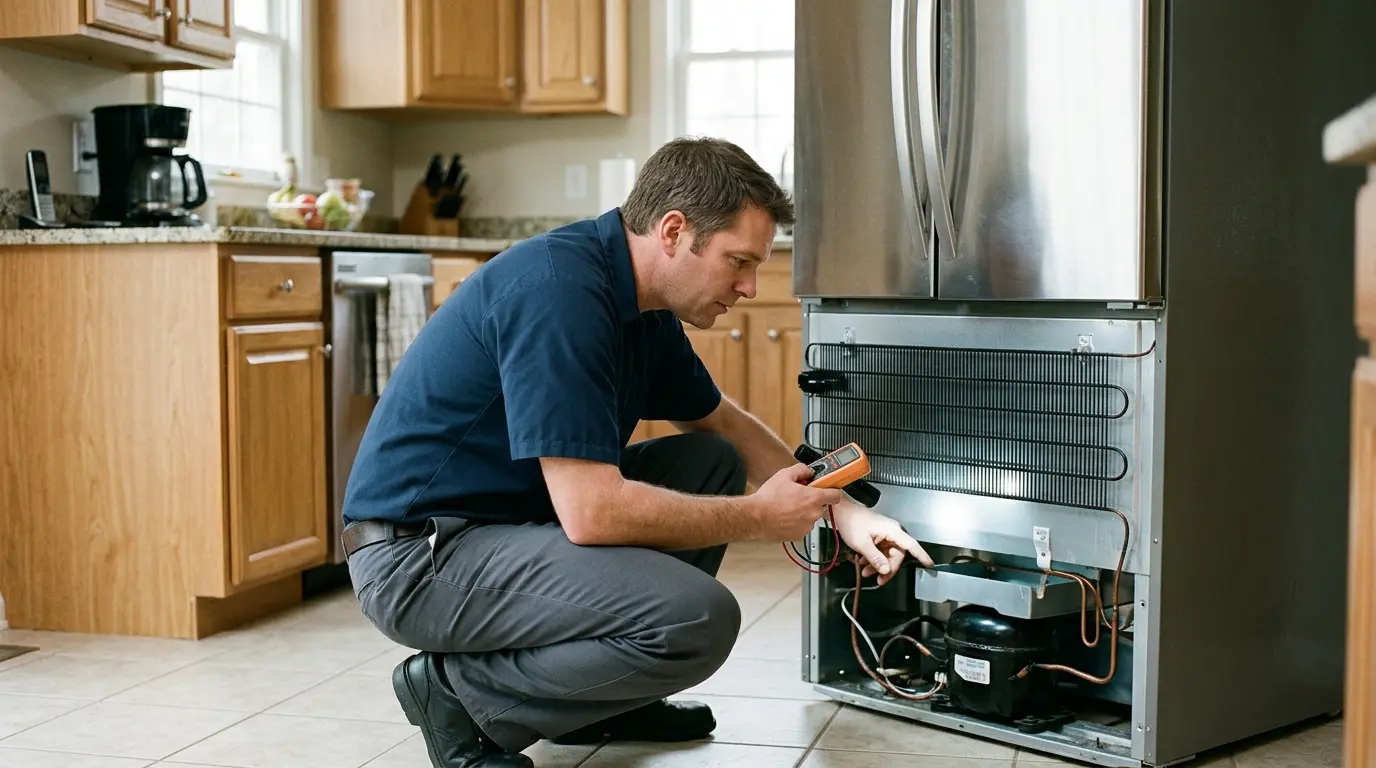
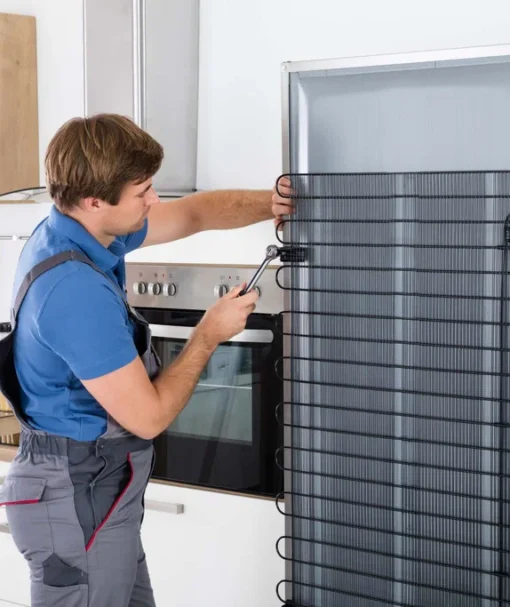
The condenser coils expel the heat taken from the inside of the refrigerator. Accessible coils or vents may gather dust, pet hair, and garage debris, which can impede heat transfer and lower cooling efficiency.
Disconnect the refrigerator before cleaning accessible areas and use the manufacturer’s instructions. Do not remove sealed panels or handle electrical components. Contact a qualified technician if the coils are hard to reach or the refrigerator keeps overheating.
3. Poor Ventilation Traps Warm Air
A refrigerator should be set with sufficient space around its sides, back, and designated ventilation spaces. Storing boxes, tools, or cleaning supplies too close to the appliance can block airflow. Placing it beside a heat-producing appliance may add to the problem.
Move stored items away from the refrigerator and restore the clearance specified in the manual. Avoid enclosing the appliance in a tight space. If the garage remains extremely hot, improving the surrounding environment may help, but the refrigerator must still operate within its rated temperature range.
4. Door Seals or Temperature Settings Are Incorrect
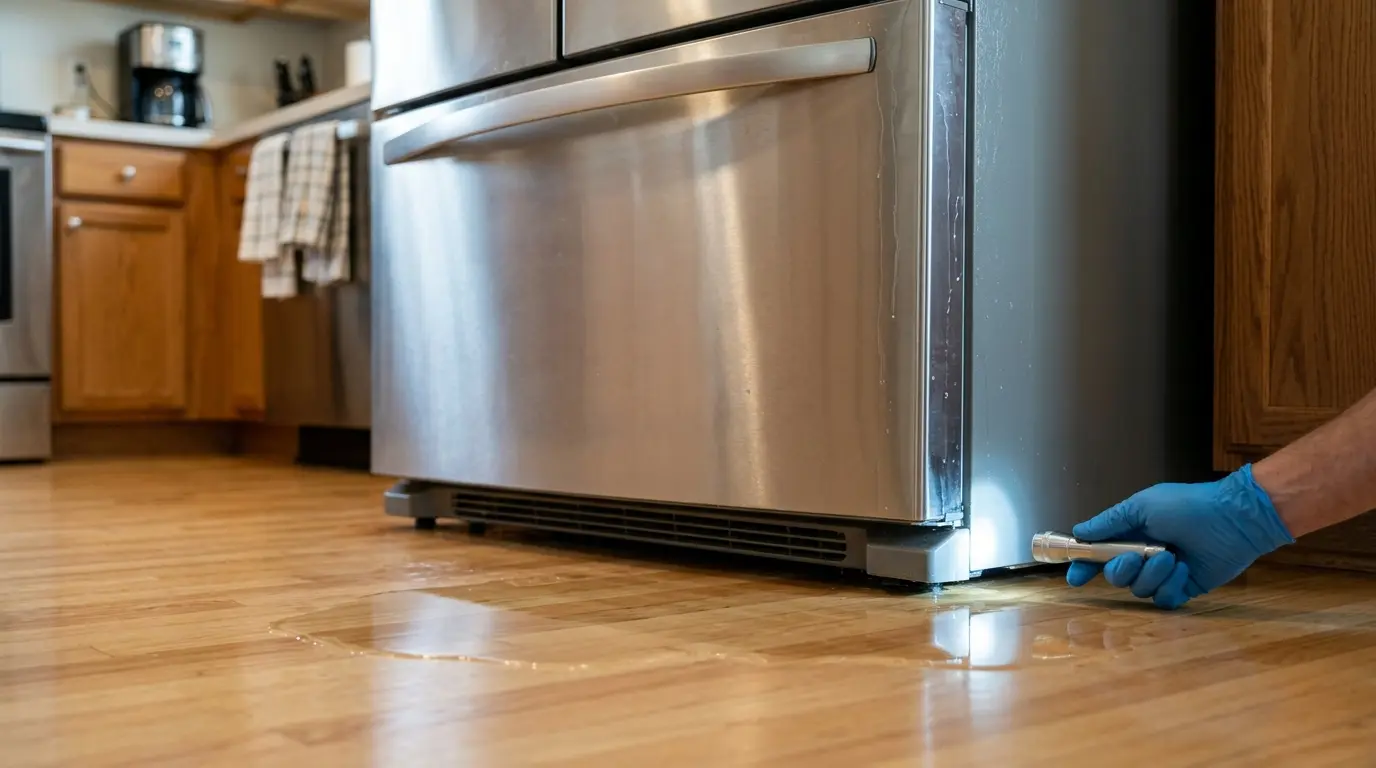
If there is any damage to the door gasket, warm air will be able to enter, and cold air will be able to escape. Check for worn rubber, dirt on top of the seal, or raised areas around the door or containers blocking the door from closing completely.
Look at the setting of the thermostat as well. If the refrigerator is accidentally set higher than the desired temperature, it may warm up. Do not depend exclusively on the control dial but use an appliance thermometer instead. The U.S. Food and Drug Administration recommends refrigerating foods at 40° F or less and freezers at 0° F.
5. A Fan, Thermostat, or Compressor Is Failing
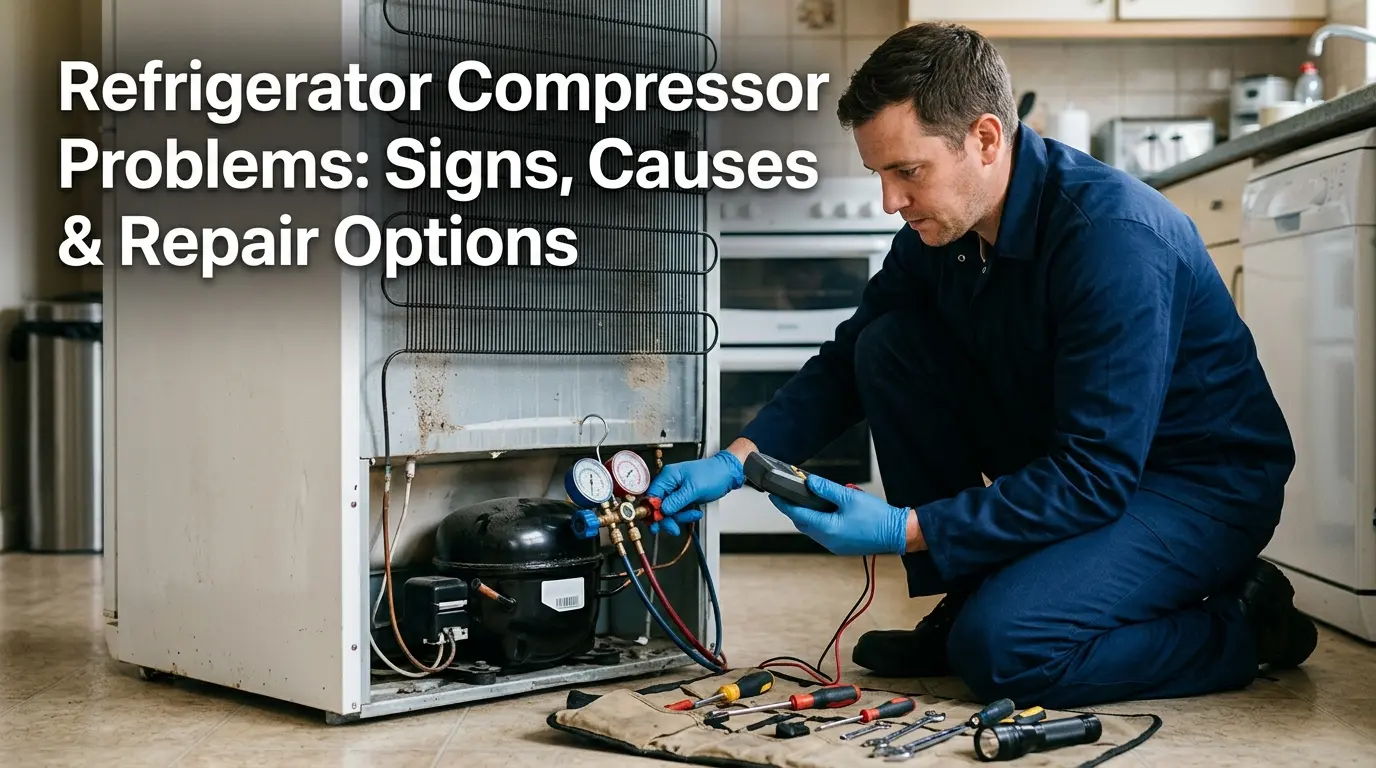
If the basic checks are not helpful, it could be due to an internal component. A clogged evaporator fan could reduce circulation of cold air, and a condenser fan problem could stall heat removal. Another cause of cooling issues is when the thermostat or temperature sensor is faulty.
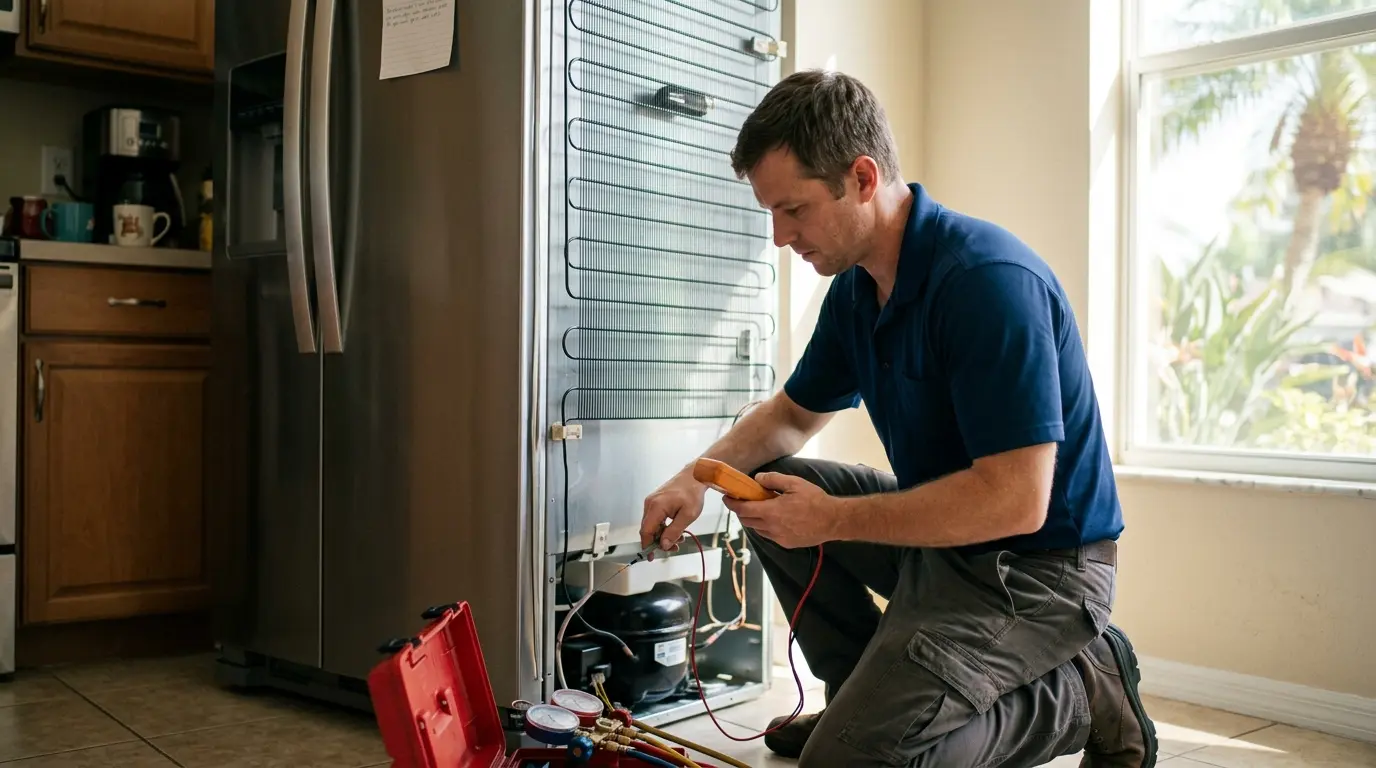
Listen for unusual clicking, grinding, or repeated starting noises. A compressor that doesn’t cool down properly and runs all the time should also be checked. Do not attempt to open the sealed cooling system yourself; refrigerant leaks and compressor failures need to be diagnosed by a professional.
Simple Checks to Make Before Scheduling Repairs
Without taking the refrigerator apart, use this checklist to eliminate options for what may be causing the problem.
- Measure temperatures: Use an appliance thermometer to measure the temperature in both the refrigerator and freezer.
- Inspect the door: Remove obstructions and check whether the gasket seals evenly.
- Check airflow: Clear nearby storage and confirm that required ventilation gaps remain open.
- Review the settings: Make sure the controls match the manufacturer’s recommendations.
- Look for warning signs: Note unusual sounds, excessive heat, leaks, or repeated breaker trips.
Take food safety into account when troubleshooting. Perishable food that has spent two hours or more at a temperature above 40° F should be thrown away, according to FDA guidance. Never use a refrigerator that is unable to keep food at safe temperatures to wait for a repair appointment.
When Should You Call an Appliance Technician?
Maintenance may resolve dirty coils, blocked airflow, or an incorrect setting. However, if there is a continued cooling problem, then it could be an electrical issue, faulty fans, temperature control malfunctions, or a compressor failure.
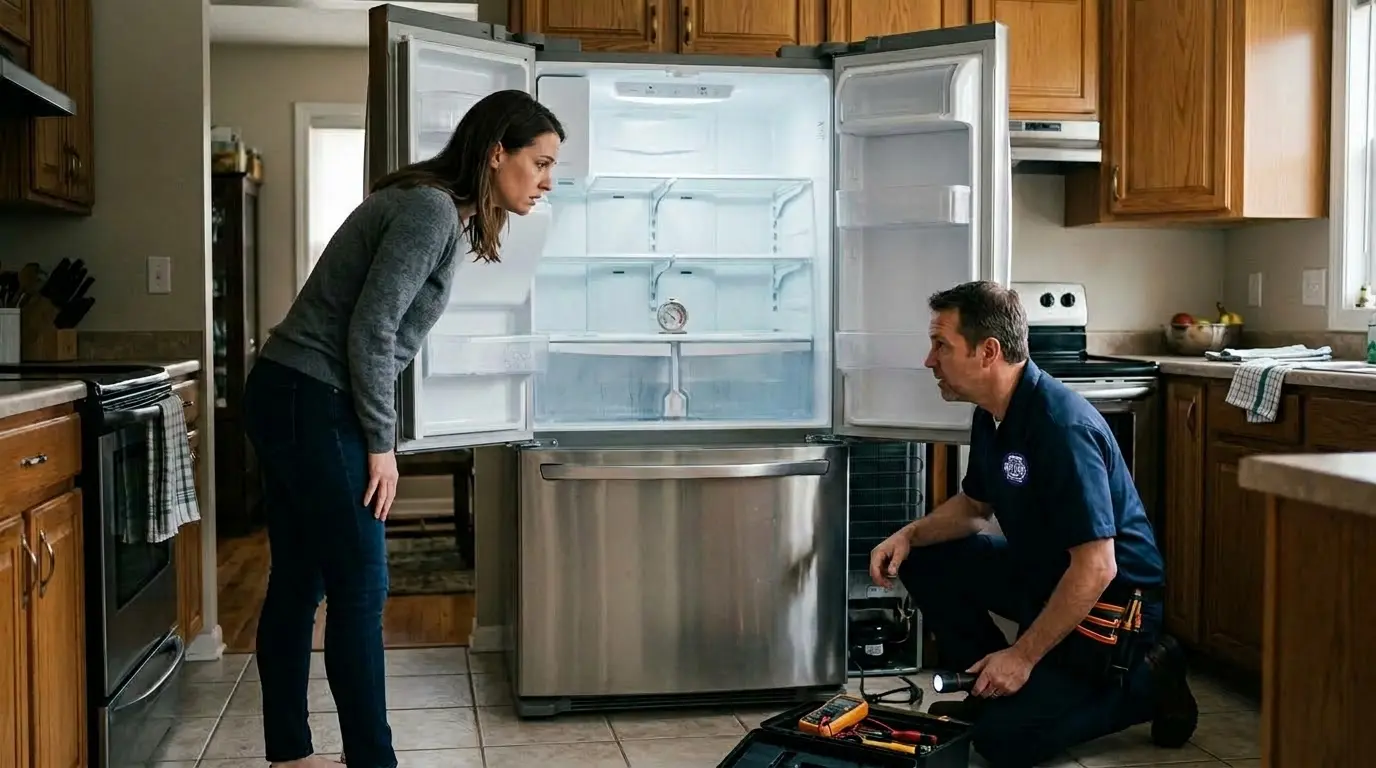
Arrange professional service if the refrigerator continues running without cooling, the freezer also warms up and may need professional freezer repair, unusual noises persist, or the appliance repeatedly stops and restarts. Immediately address burning smells, sparks, or electrical issues and shut off power only if safe to do so.
For homeowners seeking garage fridge repair in Apopka, Discount Appliance Repair of Central Florida can help assess whether the issue involves the garage environment, routine maintenance, or a component that needs repair.
Frequently Asked Questions
What causes a garage refrigerator to stop cooling in hot weather?
Excessive heat in the garage can cause the appliance to exceed its operating range. Some issues can exacerbate the problem, such as restricted airflow, coils that are dirty, damaged door seals, or failing parts.
What temperature should my garage refrigerator maintain?
Maintain the refrigerator at 40°F or below and the freezer at 0°F. Use appliance thermometers to confirm actual temperatures rather than relying on the control settings.
Is a garage-ready refrigerator better for Apopka homes?
It may be a better choice when the garage experiences wide temperature swings. However, operating limits differ by model, so verify the manufacturer’s approved ambient-temperature range before purchasing.
Can buildup on condenser coils make a refrigerator run nonstop
Dirty coils mess with the heat release, forcing the fridge to run longer. If cleaning the coils doesn’t fix the cooling problem, you might be dealing with something else that needs professional diagnosis.
Final Thoughts: Restore Reliable Cooling Before Food Spoils
A hot garage, poor airflow, dirty coils, bad door seals, or worn-out parts can all lead to cooling issues for garage fridges in Apopka. Start with basic safety checks, make sure you know your fridge’s limits, and keep an eye on the temperature.
If your refrigerator just can’t keep things cool, it’s time to call for a professional inspection.As a trusted appliance repair company in Central Florida, Discount Appliance Repair of Central Florida can help you determine the next steps for getting your refrigerator back to dependable operation.