

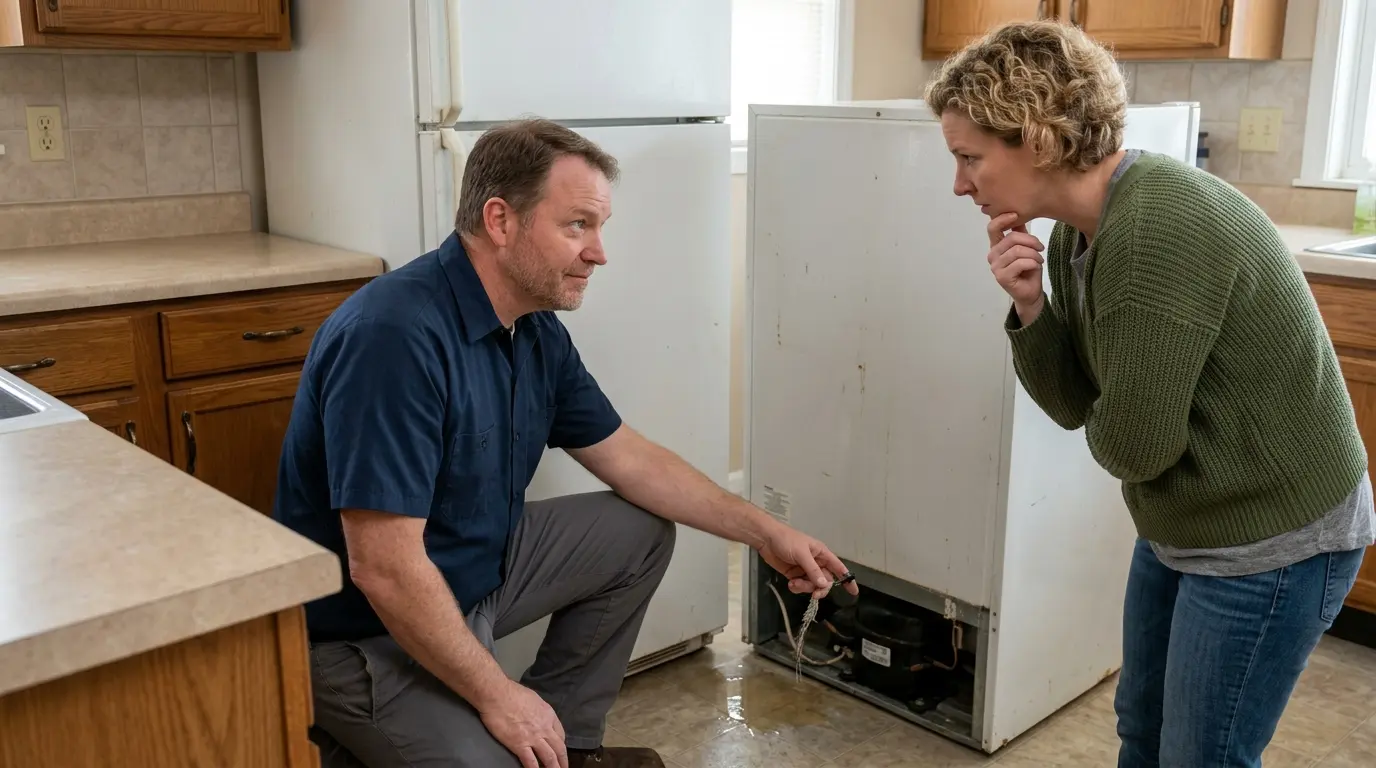
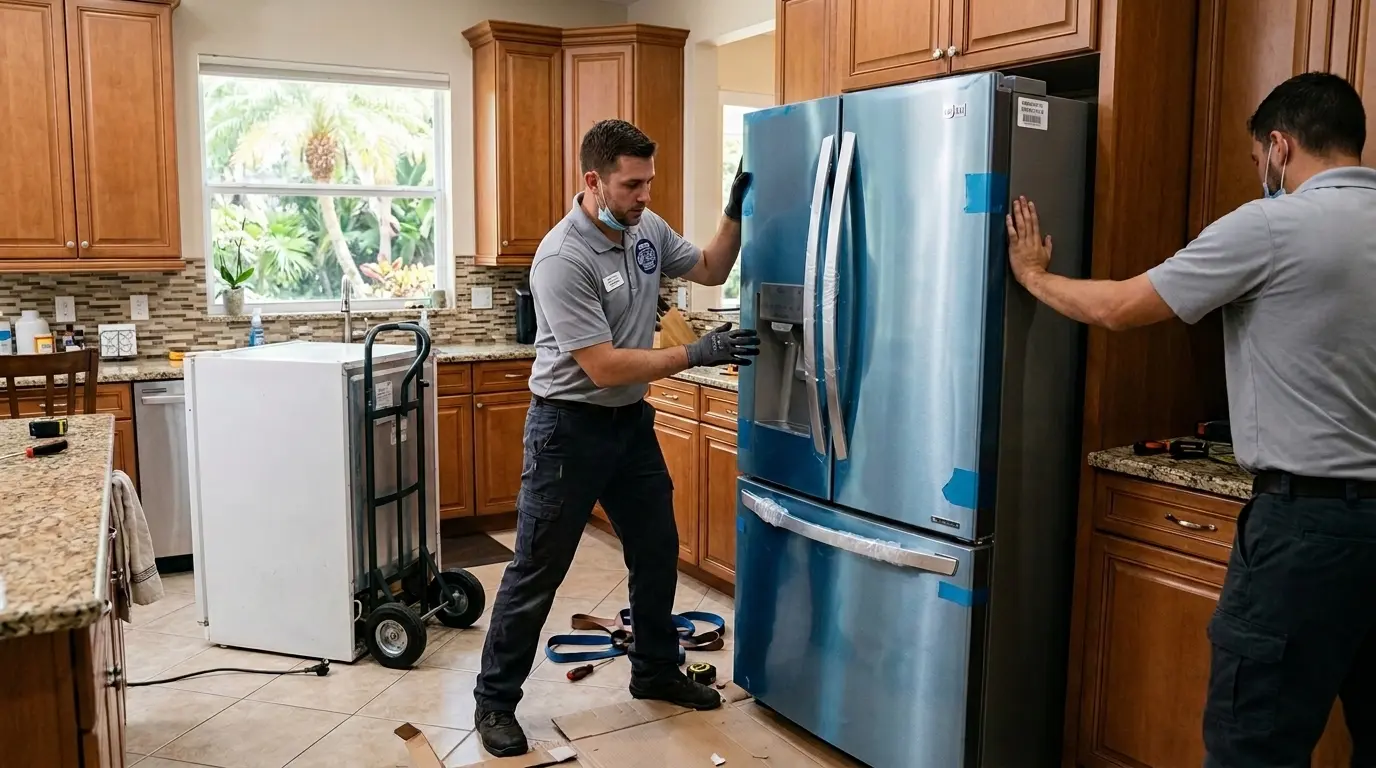
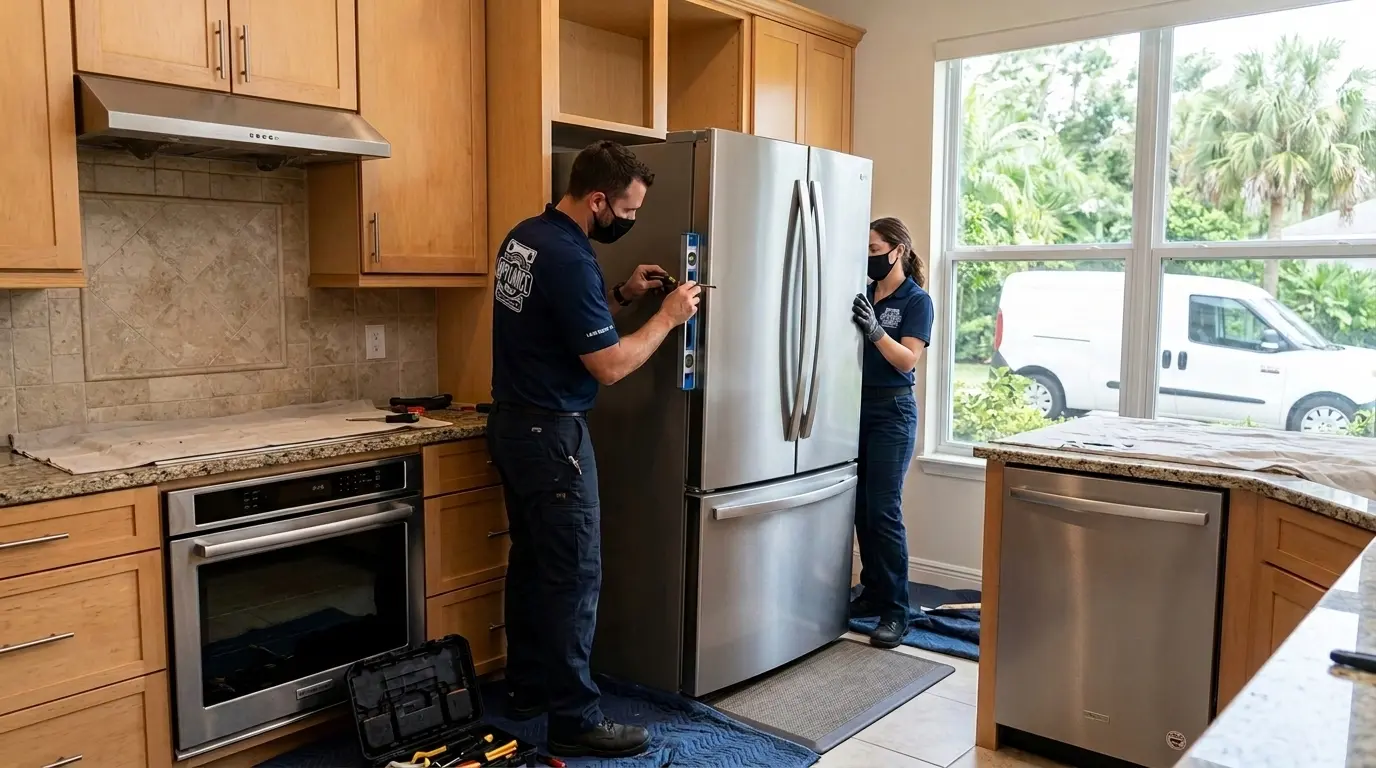




If a refrigerator becomes hot all of a sudden, it can become a real problem in just a matter of moments. If your refrigerator’s cooling issue has started recently, the cause could be something simple such as blocked airflow or incorrect temperature settings, but it may also involve an internal component that requires professional repair.
Additionally, Orlando residents face Florida’s warm, humid climate, which can cause extra strain on an already stressed appliance. Being aware of the common problems will help you determine that the issue may be something simple, and you will know when to call for service.
What Temperature Should Your Refrigerator Be?
Always check the actual temperature of the food before troubleshooting, rather than just by touch. The FDA suggests refrigerating at 40°F or lower, and the freezer’s temperature should be at 0°F. The best method for checking is to use an appliance thermometer.
If the fridge is over 40°F, transfer highly perishable food to another refrigerated appliance that is working properly until you can resolve the issue. Do not assume food is safe simply because it still looks or smells normal.
Common Reasons Your Refrigerator Is Not Cooling
A refrigerator cooling problem can come from several parts of the appliance. Don’t jump to the conclusion that the compressor or sealed cooling unit is out of order without performing the less difficult checks first.
1. Incorrect Temperature Settings
The refrigerator may be operating normally, but the temperature setting is an accidental change. Inspect refrigerator/freezer thermostat settings and ensure that they have not been set to a higher temperature. After making an adjustment, give the appliance time to stabilize. The cooling system cannot change the internal temperature immediately.
2. Dirty Condenser Coils
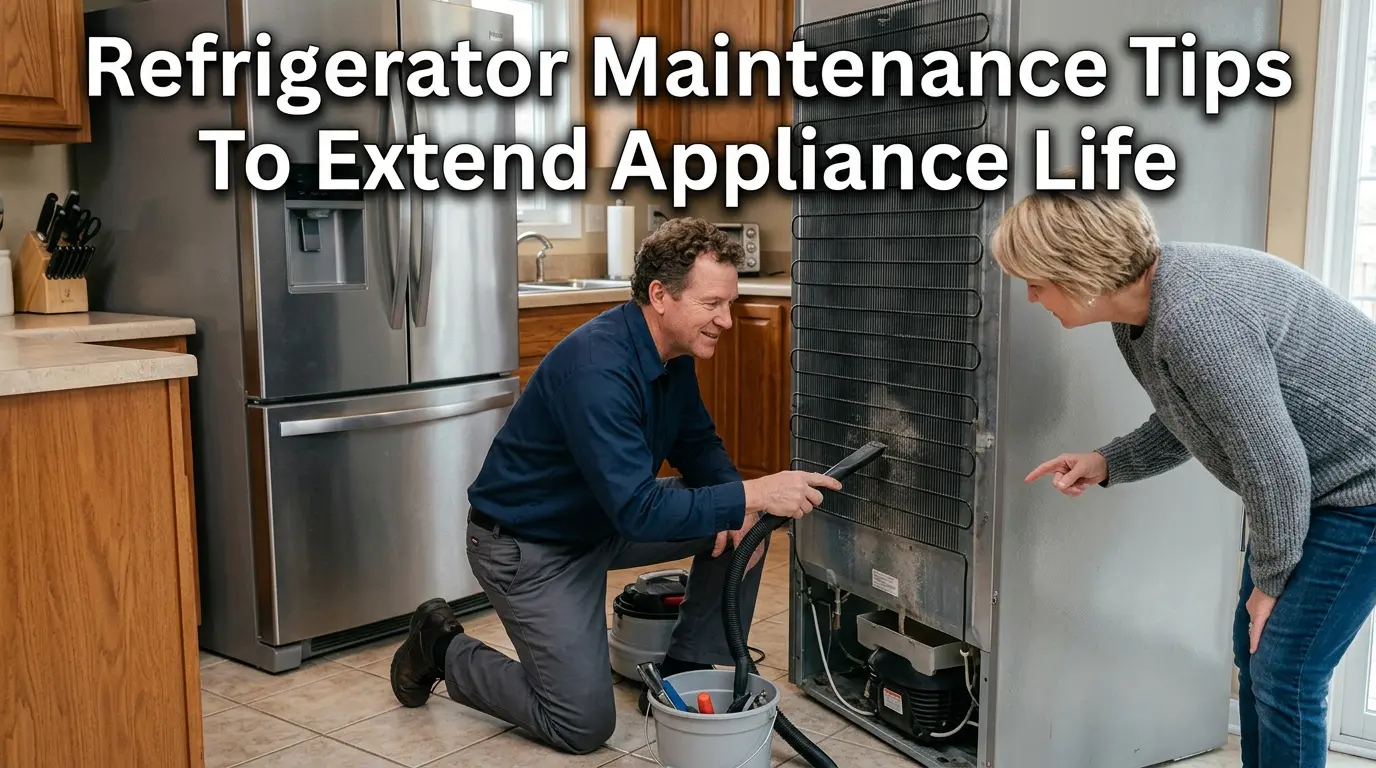
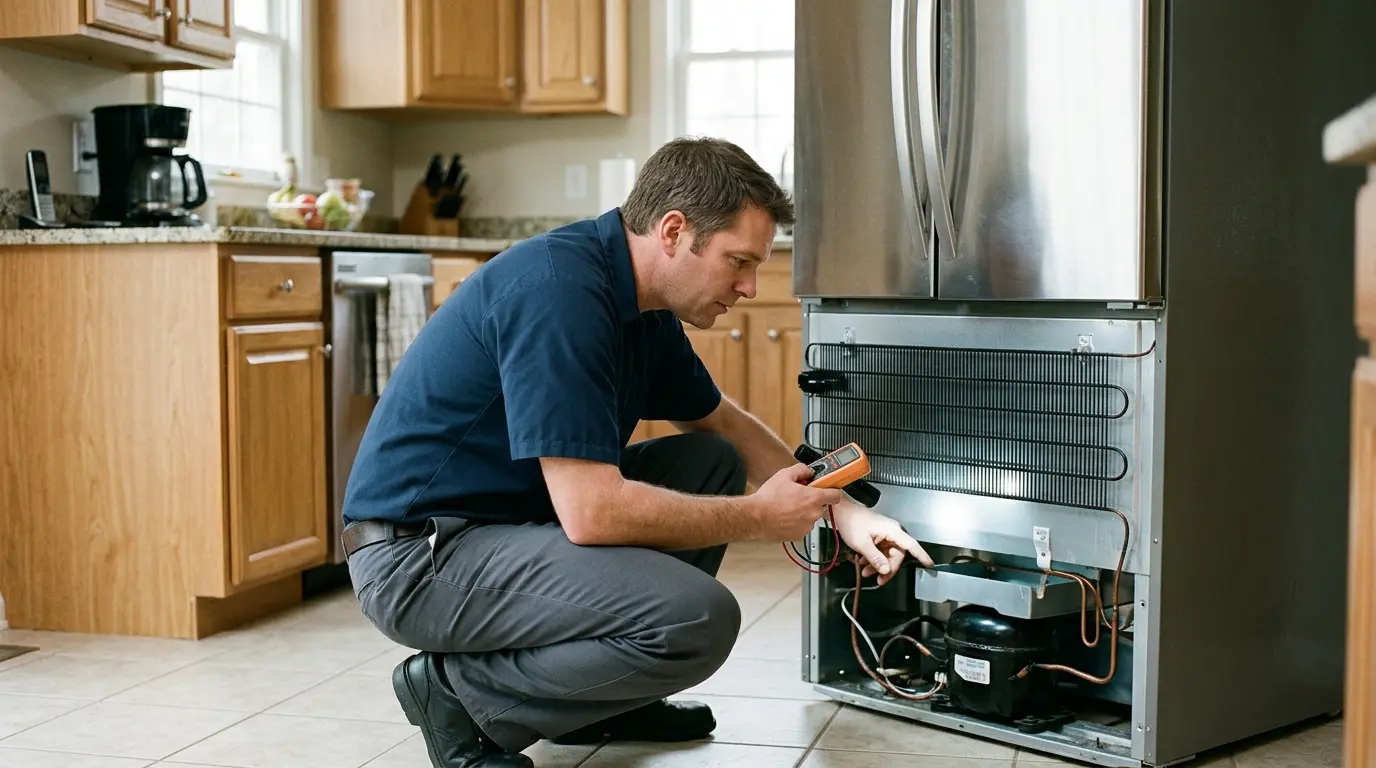
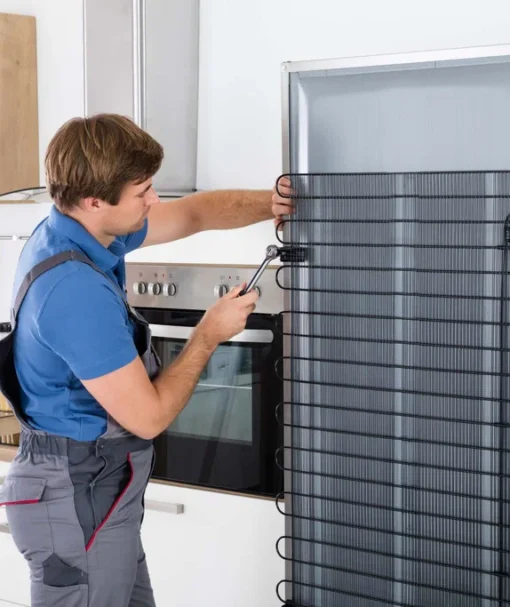
One of the more frequent reasons for decreased cooling effectiveness is dirty condenser coils. These coils are designed to get rid of heat from the refrigeration cycle, and a lot of dust and debris can make it more difficult for the appliance to get rid of the heat.
Unplug the refrigerator and clean the accessible coils following the manufacturer’s instructions. However, if the coils are hard to access or the appliance continues to run without being properly cooled afterwards, it may require professional diagnosis.
3. Blocked Airflow
Your refrigerator should always have even air circulation to distribute cold air across different sections of your refrigerator. Unvented containers of food can impair airflow and produce temperature imbalances. When one section is cool and another is warm, inspect the vents for obstructions, such as shelves or food packages. Make sure there is sufficient space in the refrigerator for cold air to flow around.
4. A Damaged Door Gasket
A refrigerator door gasket creates the seal that keeps cold air inside. If the gasket is cracked, loose, dirty, or no longer sealing properly, warm air can enter continuously. Check the gasket around the door of the refrigerator. If it is dirty and that prevents a good seal, it can be cleaned with warm, soapy water, but if the gasket is broken, it may need to be replaced.
5. Evaporator Fan Motor Problems
The evaporator fan circulates cold air in the refrigerator. If the evaporator fan motor fails to operate, the freezer may stay cold, and the refrigerator compartment may get warm. Any unusual fan noises, less air, or a refrigerator that doesn’t distribute cold air evenly may indicate this problem. Before changing a fan, it is typically necessary to be able to test it.
Refrigerator Not Cooling but Freezer Is Cold
A freezer that will operate even if the refrigerator compartment is not freezing is another diagnostic indicator. The appliance may be blowing cold air, but the cold air is not reaching the refrigerator compartment properly.
This can happen due to the evaporator fan, blocked vents, frost buildup, or a damper that is not working properly. A technician can inspect these components as part of the diagnostic process rather than replacing parts based only on symptoms.
What About a Compressor or Refrigerant Problem?
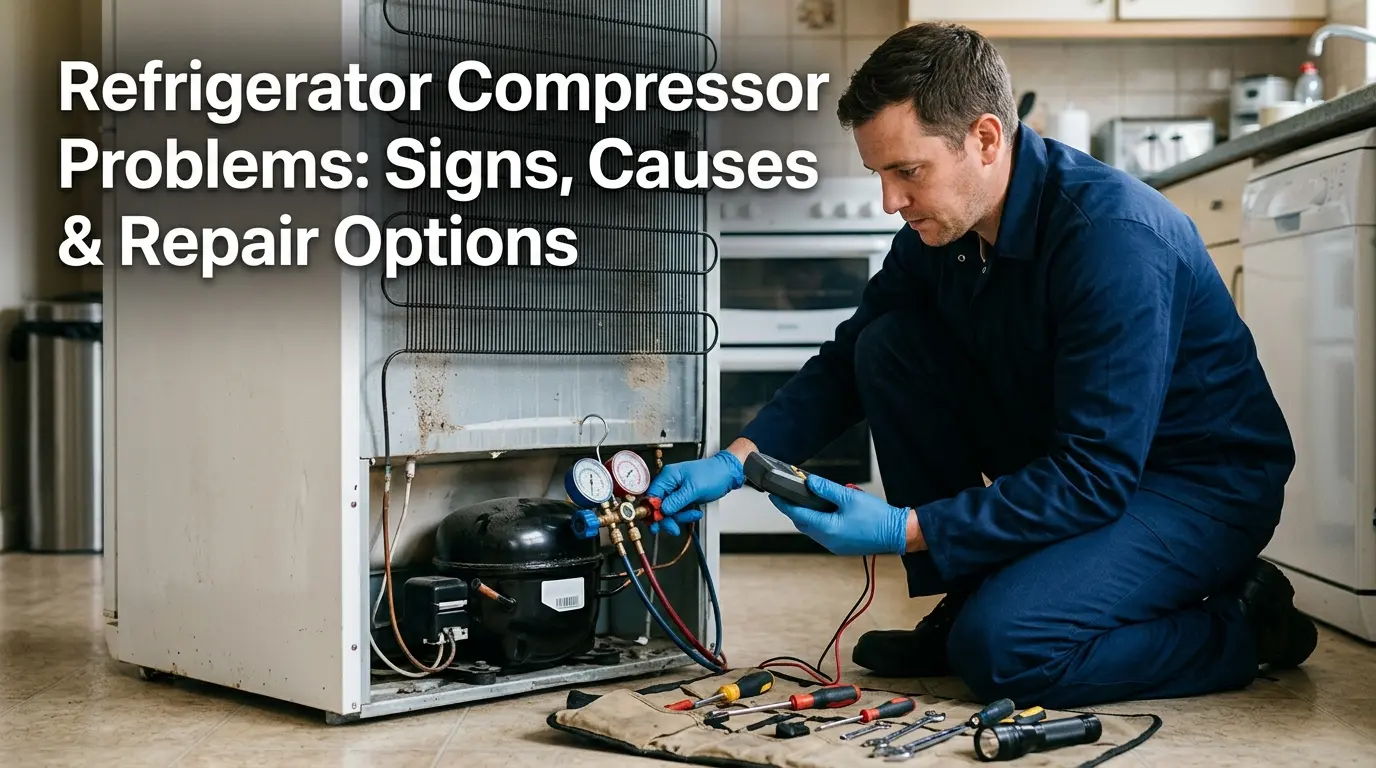
Since the compressor is a vital component of the refrigeration cycle, a fridge compressor issue could lead to serious cooling issues. Some common indicators are a refrigerator constantly cycling, clicking or humming sounds, or the refrigerator not cooling to the proper temperature, even when running.
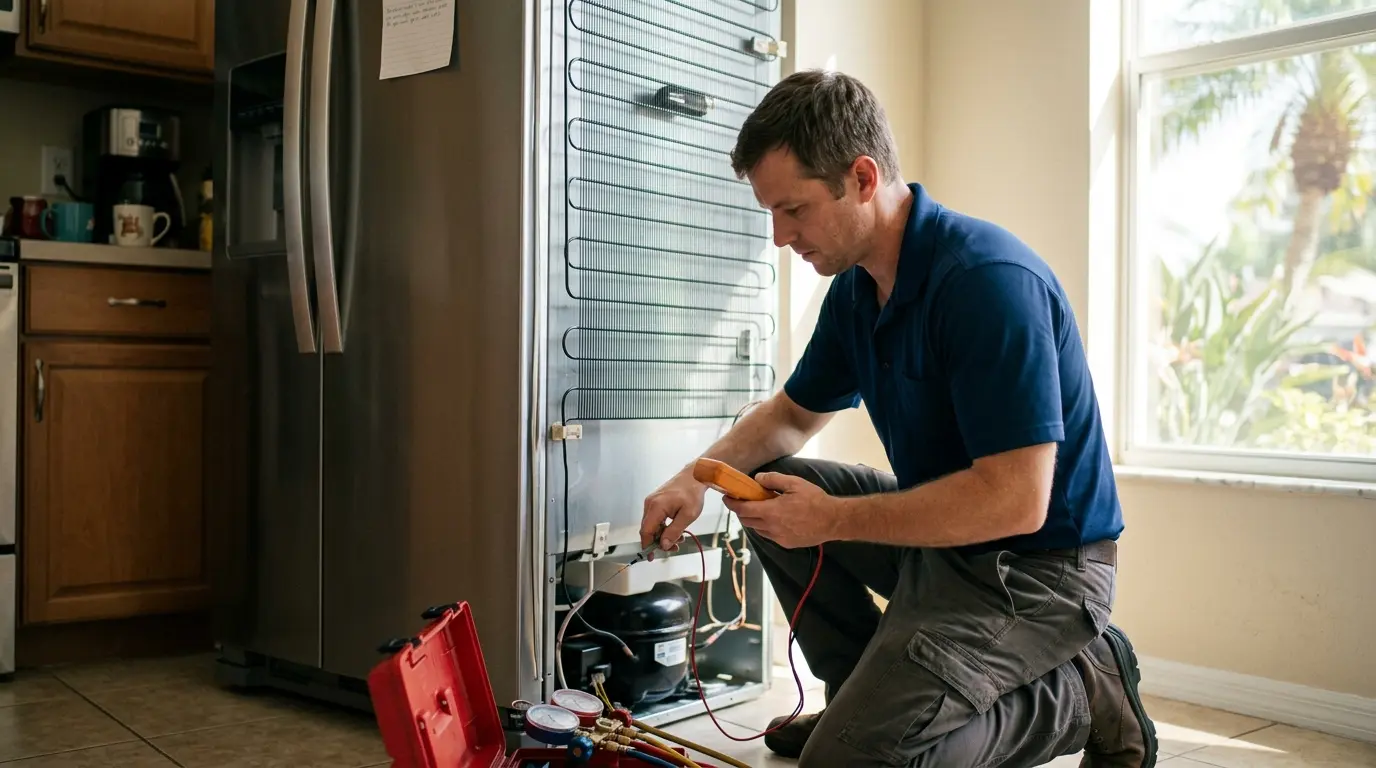
Another possibility is a refrigerant leak, particularly if the equipment is running but not cooling well. Refrigerant and sealed-system problems are not good DIY projects. Specialized equipment is needed, and knowledge of the internal components of the appliance is required in order to make a proper diagnosis.
Thermostat failure can also disrupt temperature control by causing the refrigerator not to react properly to changes in temperature. Only a qualified appliance technician can properly address these issues.
Quick Checks Before Calling a Repair Technician
Before scheduling service, check a few basic things:
- Confirm that the refrigerator is receiving power.
- Check the circuit breaker if the appliance is completely off.
- Verify the temperature settings.
- Make sure vents are not blocked by food.
- Inspect the refrigerator door gasket.
- Listen for unusual fan or compressor sounds.
- Look for heavy frost or ice buildup.
- Check whether the freezer is still cooling.
- Inspect accessible condenser coils for heavy dust.
- Give the refrigerator time to cool after correcting a simple issue.
These checks may help to identify the problem, but they can’t be used to replace professional testing if a component has failed in the interior.
Food Safety When Your Refrigerator Is Warm
Do not just concentrate on fixing the appliance. Protecting the food inside is equally important. The FDA recommends keeping refrigerated food at 40°F or below. Foods that can spoil (meat, poultry, seafood, milk, eggs, leftovers) should be thrown away if the refrigerator has been above 40° F for 4 hours or more.
During a power outage, an unopened refrigerator generally keeps food cold for about four hours. Keep the refrigerator door closed as much as possible while you arrange another way to protect perishable food.
Never use sight and smell to decide if food is safe to eat. Harmful bacteria may be present in food even if there are no changes in the food.
When Should You Call a Professional?
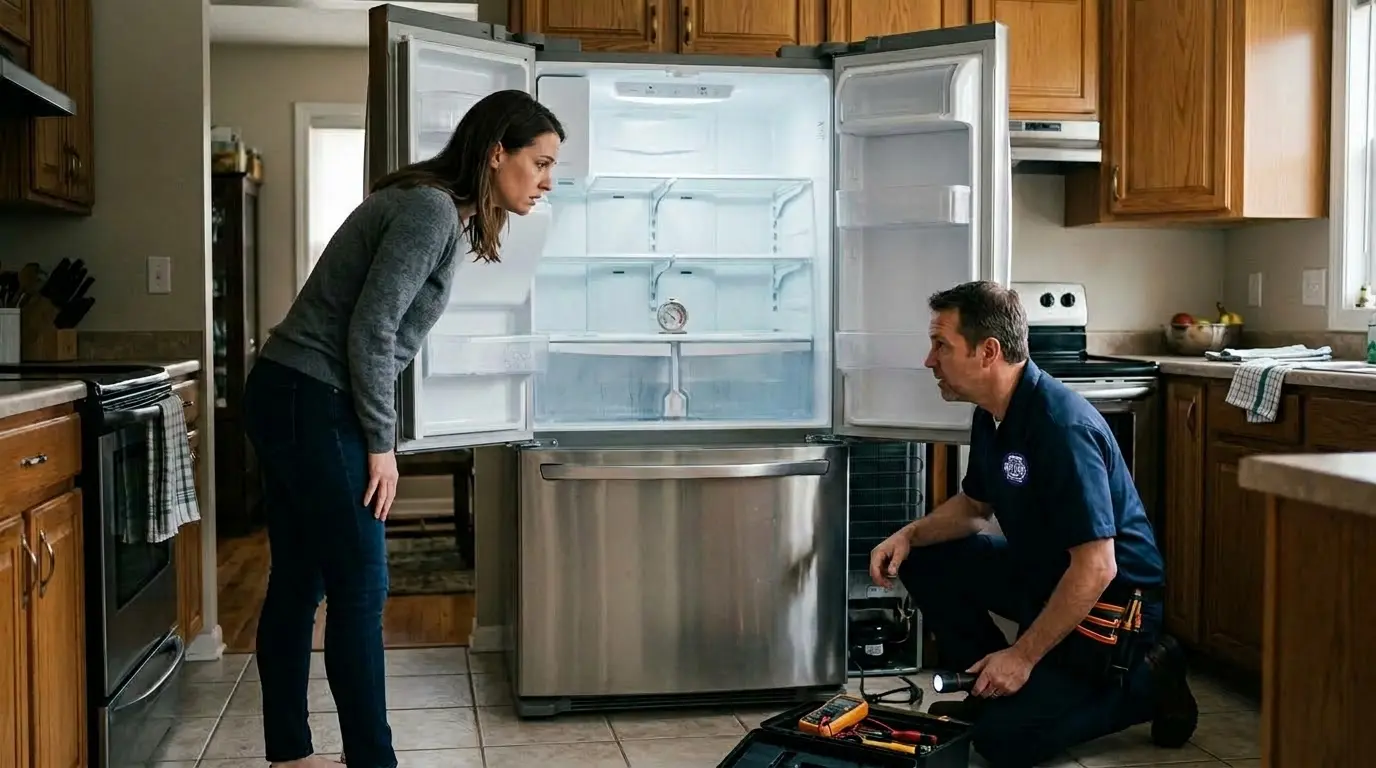
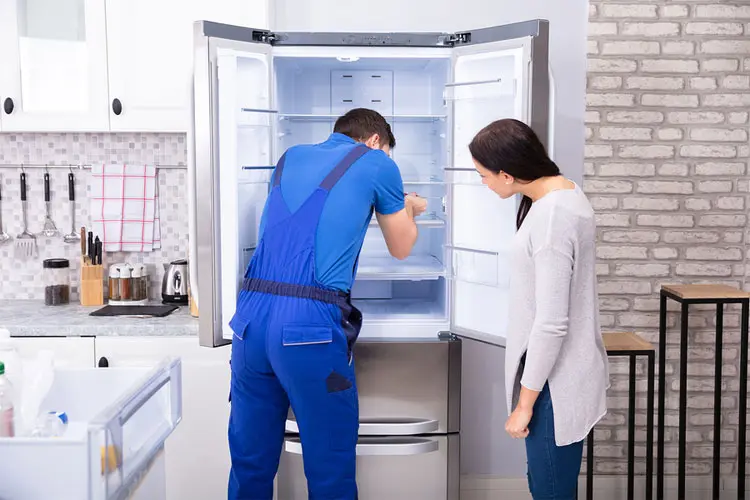
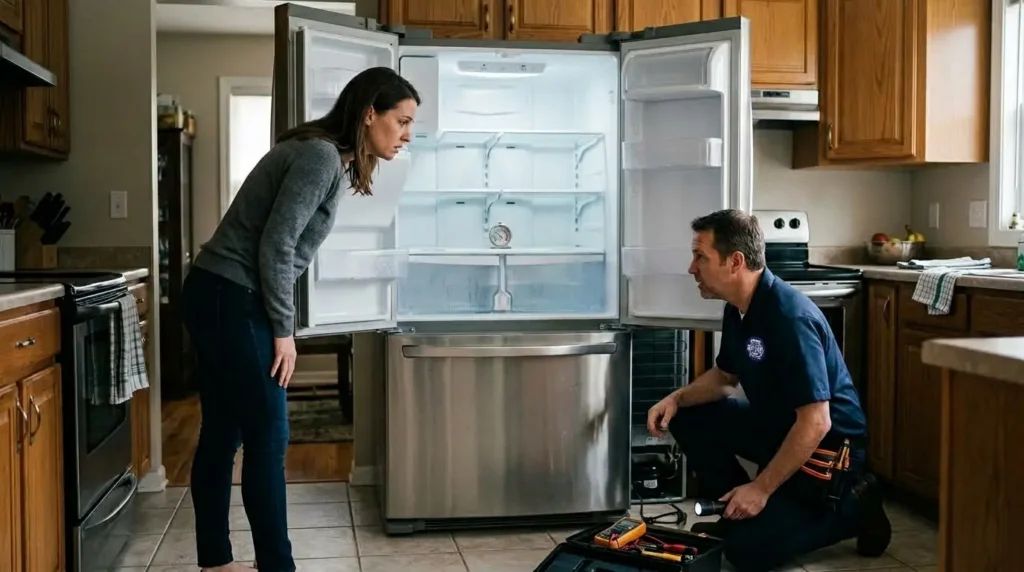
Professional service makes sense when basic checks do not solve the problem or when the refrigerator shows signs of an internal failure. Call for service if your fridge stops cooling, won’t shut off, trips the breaker, builds up frost, or makes strange noises. You should also schedule service if you notice compressor, fan, thermostat, or sealed-system issues.
If your fridge is not cold enough even after checking the settings, airflow, and door seal, continued operation may place unnecessary strain on the cooling system. A technician can perform a proper diagnostic process and identify the failed component before recommending a repair.
For Orlando homeowners, Discount Appliance Repair of Central Florida can be considered when basic troubleshooting does not resolve a refrigerator cooling issue and professional appliance diagnosis is needed.
Repair or Replace the Refrigerator?
Repair often makes sense if your refrigerator is otherwise in good shape and only needs a reasonable fix for a bad part. But if it’s getting old, keeps breaking down, or you’re facing an expensive compressor or sealed-system repair that isn’t worth the unit’s age, it’s usually better to replace it.
Don’t focus solely on today’s repair cost; think about your fridge’s age, overall condition, energy efficiency, and how reliable it’s been lately.
Final Thoughts: Get Your Refrigerator Cooling Properly Again
When your refrigerator stops cooling, that doesn’t always mean you need a new one right away. Lots of things can look like the same problem: wrong temperature settings, blocked airflow, dirty coils, door seal issues, fans, thermostats, compressors, or refrigerant leaks.
If simple checks do not restore proper cooling, Discount Appliance Repair of Central Florida can help you move from guesswork to a proper diagnosis. Acting sooner can protect your food, prevent additional component stress, and help you determine whether repair or replacement makes more sense.
Frequently Asked Questions
Why is my refrigerator not cooling, but the freezer works?
Most of the time, this means cold air isn’t getting from the freezer to the fridge section. Look for a blocked vent, a failed evaporator fan, ice or frost clogging things up, or any kind of airflow-control problem.
How long does it take a refrigerator to cool after being adjusted?
You’ll usually need to give the refrigerator several hours to settle after you change the temperature. Use an appliance thermometer to check the real temperature. Don’t rely on feel. If the inside still isn’t below 40°F after a reasonable wait, that points to a bigger issue.
Can dirty condenser coils cause a refrigerator to stop cooling?
Definitely. When condenser coils are covered in dirt and dust, the fridge struggles to get rid of heat, and cooling drops off. Clean the coils if you can reach them. But if things still aren’t cooling, it is likely a different component that has malfunctioned.
Is a refrigerator compressor worth repairing?
That depends on how old your fridge is, what kind of shape it’s in, the repair cost, and how much a replacement would cost. A technician can check out the compressor and give you an honest recommendation based on what they find.