


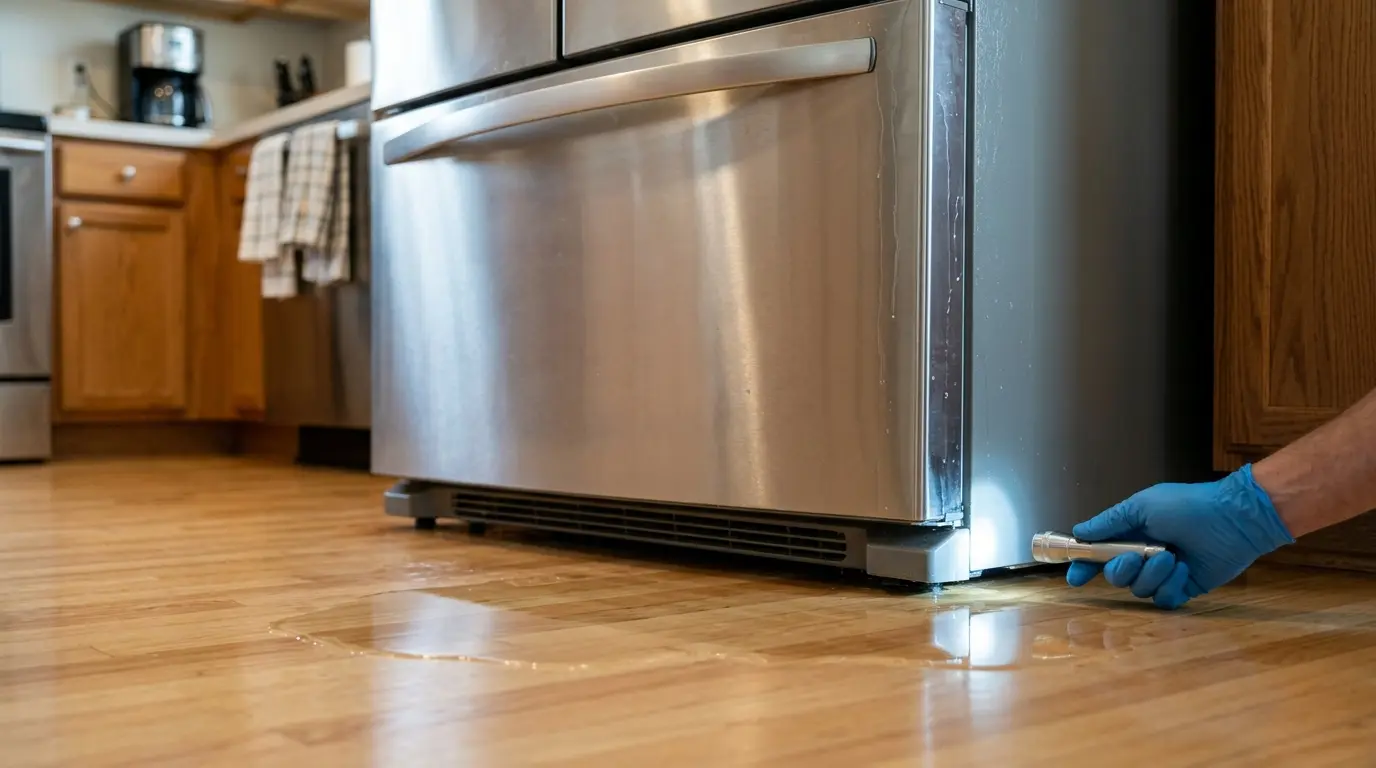


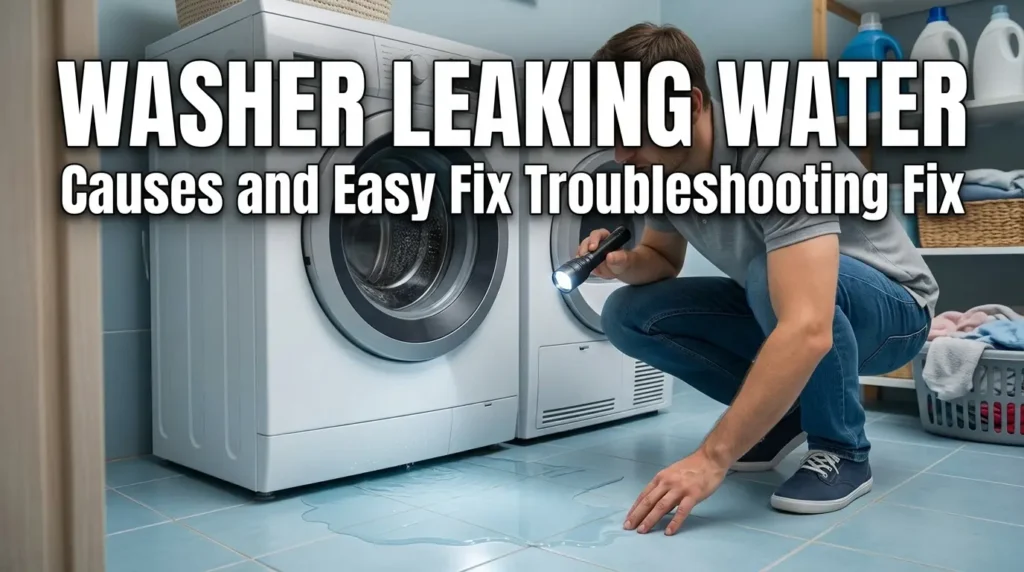
Finding a pool of water on your laundry room floor always causes stress. A washer leaking water can quickly damage your beautiful tile or hardwood flooring. This common household trouble requires fast action to prevent costly water damage and expensive mold growth.
Understanding the root cause of these sudden puddles helps you control the situation immediately. Many common washing machine problems start small but grow into major headaches if you ignore them. This guide covers easy troubleshooting tips you can try yourself before you call a professional repair service.
Common Areas for a Washer Leaking Water
You must pinpoint exactly where the pool of moisture comes from during a cycle. Tracking the water trail carefully leads you straight to the broken component inside the machine cabinet.
Inspecting Your Supply Hoses
The water supply lines behind your unit work under constant high pressure every single day. These rubber or stainless steel hoses can develop small cracks or loose connections near the wall valves. Check both internal rubber washers inside the hose couplings because they wear down over time.
Checking the Water Inlet Valve
This vital electronic valve controls the main flow of hot and cold water entering the drum. If you notice a slow drip behind the unit, this part might have a crack. Mineral deposits from local hard water can also build up inside the plastic housing and cause leaks.
Front Load vs Top Load Leaks
Different styles of laundry equipment have unique failure points due to their mechanical design. Understanding these design differences helps you spot weaknesses and stop leaks before they ruin your morning.
Front Load Door Boot Seals
Front-load machines rely heavily on a thick rubber door gasket to keep water safely inside. Small coins, sharp bobby pins, or clothing zippers can easily puncture this rubber boot during fast cycles. Look for visible tears along the bottom folds and wipe away hidden debris after every wash.
A damaged rubber door boot often creates a smelly laundry area over a short time. When stagnant moisture gets trapped in the dark rubber folds, a terrible, washer smells bad odor develops. Cleaning this flexible gasket regularly keeps your laundry room fresh and prevents minor water drips.
Top Load Tub Seals
Top-load models use a heavy central drive shaft that goes through the bottom of the tub. The main tub seal prevents soapy wash water from leaking down into the electric drive motor below. If you notice water directly underneath a top load unit, this hidden internal seal has likely failed.
Mechanical Failures and Vibrations
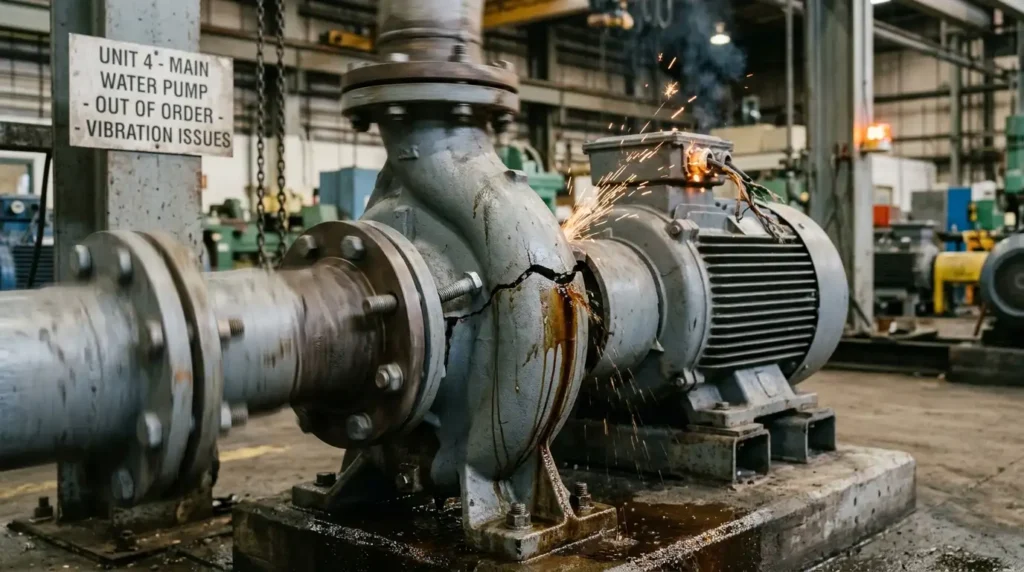
Violent physical movement can loosen internal parts and leak water during high-spin cycles. Excessive motion tears internal hoses and breaks plastic drain pump housings over months of heavy operation.
Unbalanced Loads and Machine Shaking
Washing heavy items like thick rugs or bulky bedding can push the spin basket off center. This imbalance leads to a severe washing machine shaking problem that rocks the heavy metal cabinet back and forth. The intense shaking pulls hard on connected drain lines and weakens tight factory clamps.
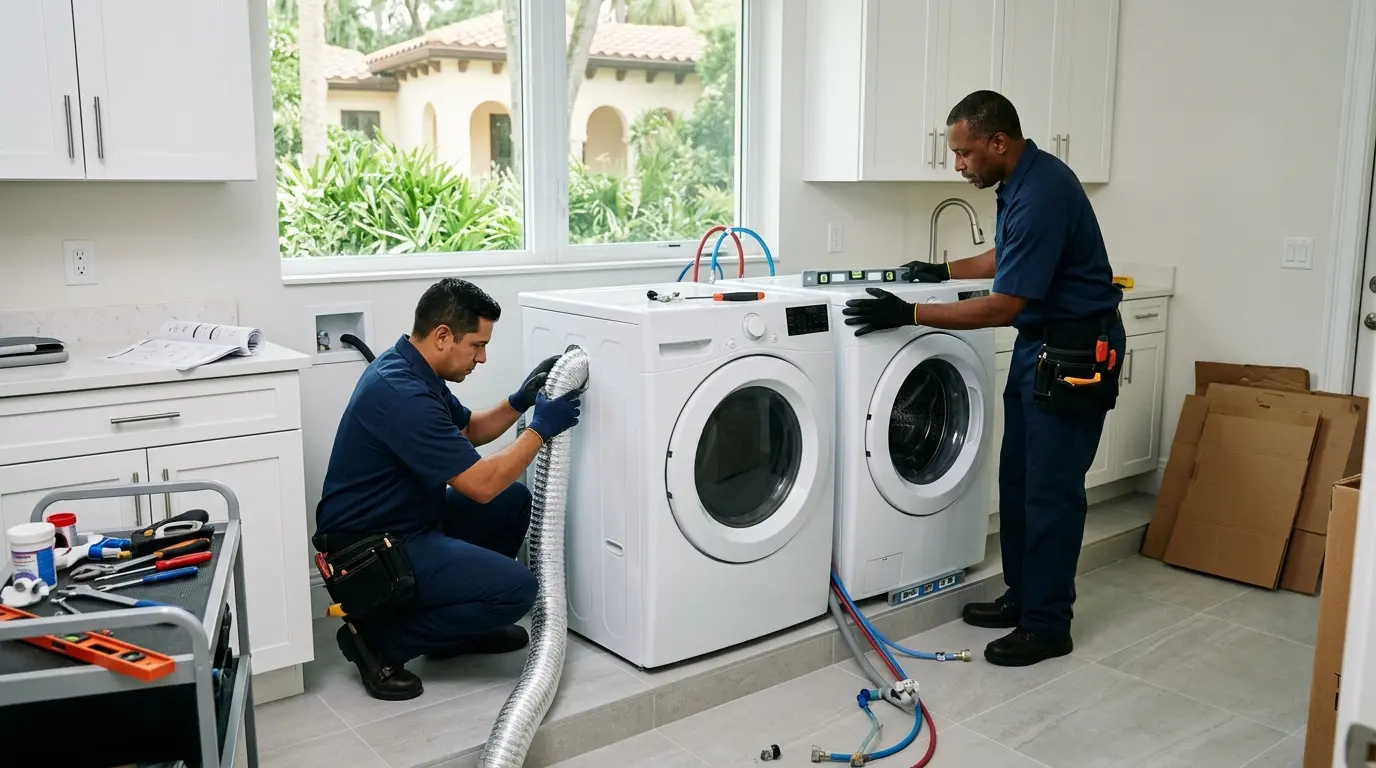
You can fix this issue quickly by leveling the adjustable legs on the bottom frame. A loud washing machine vibrating on an uneven floor will eventually cause an unexpected plumbing leak. Keep your loads balanced evenly to protect the internal plastic components from cracking under stress.
Failing Drain Pumps
The drain pump pushes used dirty water out of the machine and into the wall standpipe. A plastic pump housing can crack or develop a bad seal on its spinning impeller shaft. Listen for loud grinding noises during the drain cycle to catch a failing pump early.
Simple Troubleshooting Fixes You Can Try
You do not always need special mechanical tools to solve minor water leaks in your laundry room. Taking a few minutes to check basic connections can save you a lot of time and money.
- Tighten the external hose couplings by hand or with pliers.
- Level the cabinet legs to stop the unit from walking.
- Clear out the lower drain pump filter basket regularly.
- Replace old rubber hose washers with fresh rubber seals.
- Avoid using too much high-efficiency soap to stop oversudsing.
When Internal Components Fail Completely
Some technical issues require deeper mechanical knowledge and specialized tools to diagnose and fix safely. Electrical faults or bad control boards can leave your appliance completely dead and useless.
Electrical Issues and Startup Failures
Sometimes, a severe water leak drips directly onto internal wiring harnesses or the motor. This unwanted moisture can trip your circuit breaker or short out the main digital control board. You might find that your washing machine won’t start at all after a major leaking event.
Do not try to force a wet machine to run if it cuts out. Unplug the power cord immediately from the wall outlet to prevent dangerous electrical shocks. Let a professional technician handle internal wiring repairs to ensure your safety.
Professional Washer Repair in Orlando, FL
Dealing with a broken appliance can ruin your daily routine and cause unnecessary household stress. The expert team at Discount Appliance Repair stands ready to help you fix any major laundry trouble. They bring over twenty years of local experience to every home visit in Central Florida.
Their certified technicians provide fast, same-day diagnostics and affordable repair services you can trust completely. They serve Orlando, Winter Park, Windermere, and the surrounding local communities with honest, transparent pricing. Do not let a leaking machine damage your home when expert help rests just one call away.
Contact the friendly team at Discount Appliance Repair today by calling (877) 454-4182 to schedule service. You can also book an appointment online to get your laundry routine back on track fast.
FAQS
Why is my washer leaking water from the bottom?
A cracked drain pump, loose internal tub hoses, or a worn main tub seal usually causes this issue. A certified technician can remove the cabinet to locate the exact source of the underlying leak.
How do I stop my washing machine from shaking so violently?
Ensure the appliance sits perfectly level on a solid floor by adjusting the screw-in rubber feet underneath. Also, avoid overloading the spin basket with too many heavy towels or bulky blankets at once.
Why does my washer smell bad like mold or mildew?
Moisture and soap scum trap themselves inside front-load door gaskets and detergent drawers over several months. Wipe down the rubber folds regularly and leave the door open between cycles to air it out.
What should I do if my washing machine won’t start at all?
Check your main home electrical panel for a tripped circuit breaker or a blown fuse first. If the power outlet works, a broken lid switch or a shorted control board might need replacement.