




A new washer and dryer can make laundry day feel less like a chore. But before you can enjoy that fresh load of clothes, someone has to connect the water lines, hook up the drain hose, and make sure the dryer vent is safe. These are not complicated tasks for a trained technician, but they can go wrong quickly if you try to wing it. A loose hose, a kinked drain line, or a poorly connected vent can lead to water damage, mold, or even a fire hazard.
That’s why so many homeowners in Winter Park choose a professional washer dryer installation Winter Park FL service. A certified installer knows how to connect everything properly, test for leaks, and make sure your machines run without shaking or overheating. This guide walks you through the complete setup process, the costs involved, and the tips that actually matter. You’ll also learn what to look for in a good installer and how to prepare your laundry room before the appointment.
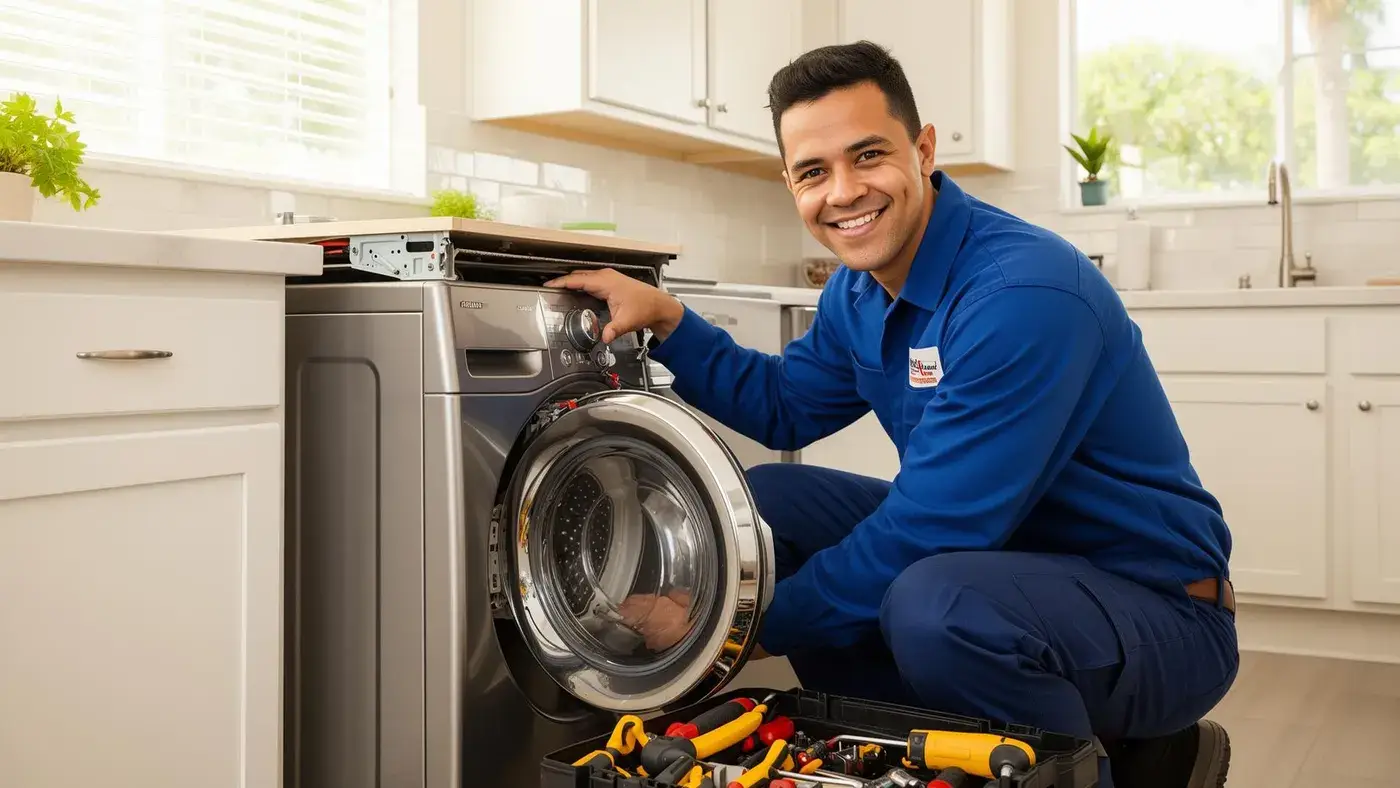
Proper installation and connections are essential for safe, reliable washer operation. Washer hookup services provide the expertise needed for washer and dryer connections while meeting local plumbing and venting requirements in Winter Park.
Why Washer and Dryer Setup Is Not Always a Simple Job
It’s easy to look at a washer and dryer and think you just plug them in and go. But there’s more going on behind the scenes. A washing machine needs a cold water supply, a hot water supply, and a drain line. If the drain hose isn’t positioned correctly, dirty water can flow back into the machine or spill onto the floor. The water supply hoses also need to be tight enough to prevent leaks, but not so tight that they crack.
A dryer has its own set of requirements. Electric dryers need a 240-volt outlet, which is different from the standard outlets in your home. Gas dryers need a gas line connection and a proper vent to push hot, moist air outside. If the vent is too long, kinked, or made of the wrong material, it can trap lint and become a fire risk. These are not things you want to guess at.
Dryer installation Winter Park homes often comes with older laundry rooms and tight spaces. A professional installer knows how to work around these challenges without damaging walls, floors, or the machines themselves. They also check that the vent path is clear and that the airflow is strong enough to keep your dryer running efficiently.
What’s Included in a Professional Washer Hookup Service
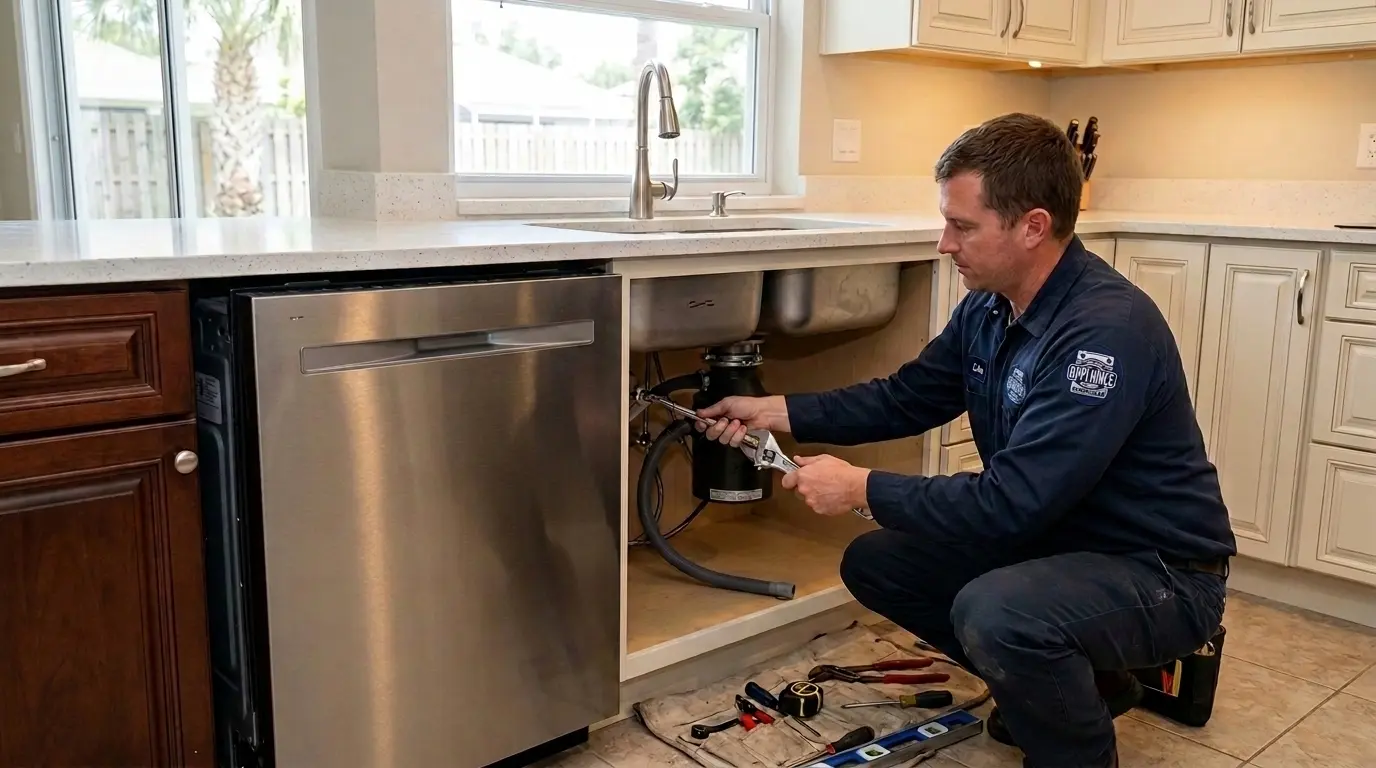
When you hire a pro, you’re not just paying for someone to push buttons. A proper laundry appliance installation covers the whole setup from start to finish. Here’s what a typical job includes.
The installer starts by inspecting the laundry area. They check the water shut-off valves, the drain pipe, the electrical outlet, and the vent opening. If anything looks old or damaged, they let you know before moving forward. This step alone can save you from a future flood or electrical issue.
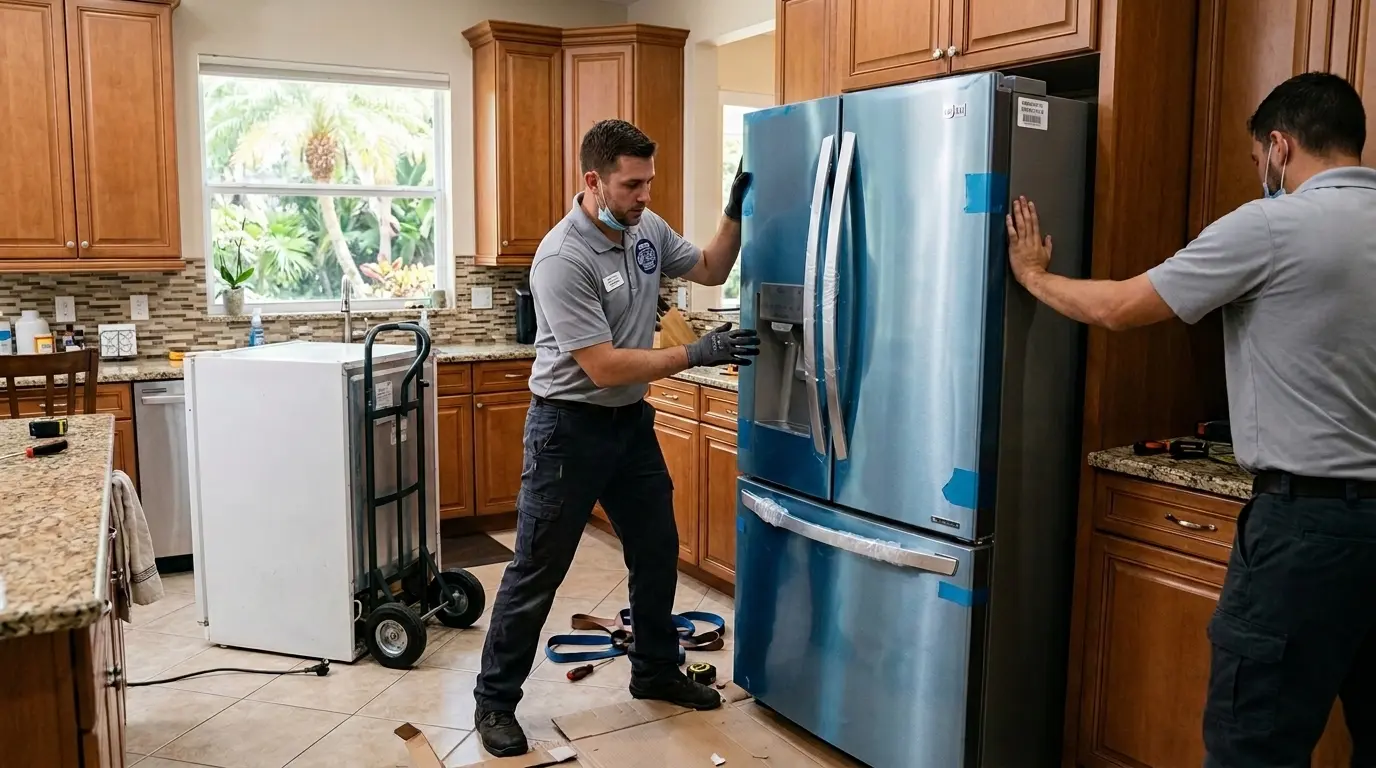
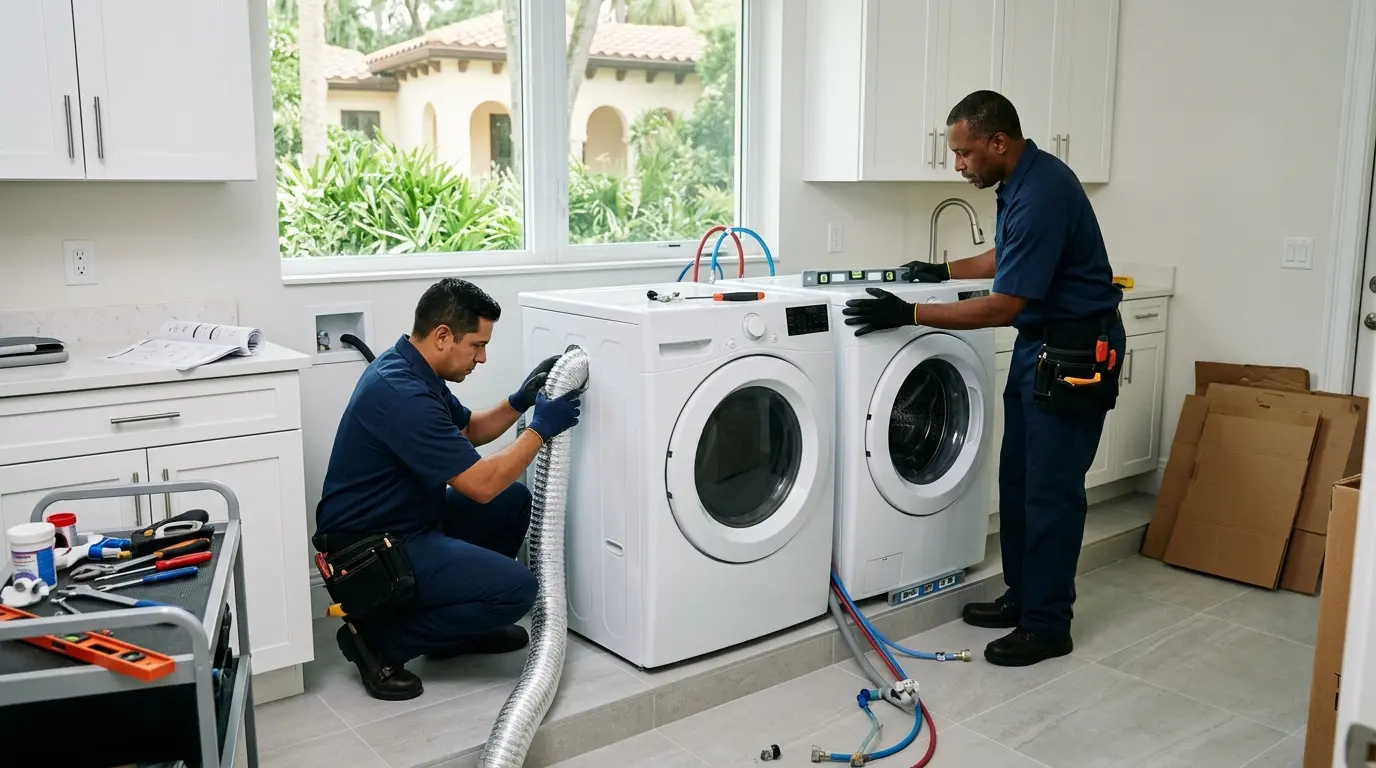
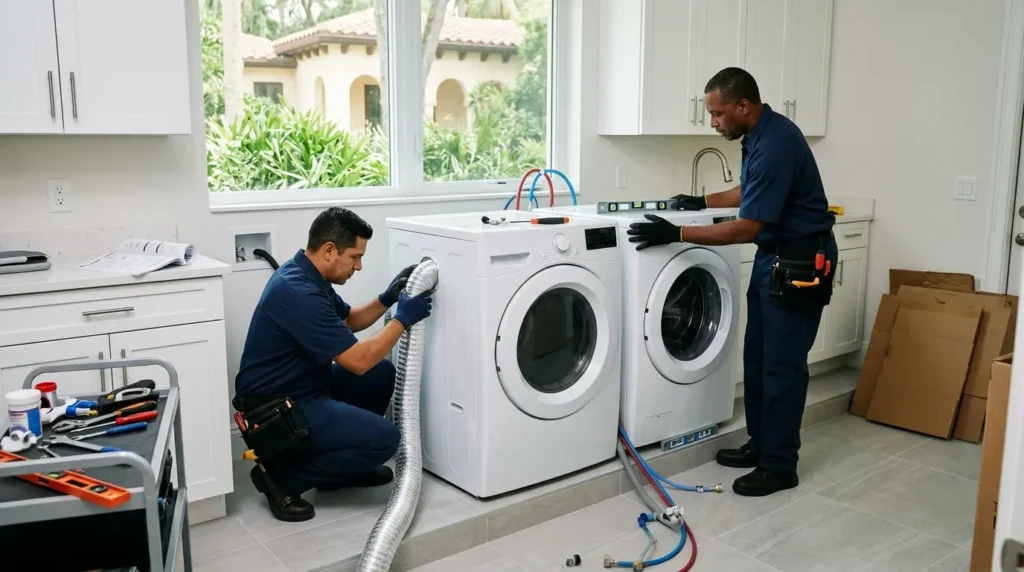
Next, they position the washer and dryer in the right spot. They make sure there’s enough clearance behind the machines for the hoses and vent without pinching them. Then they connect the water supply lines to the washer. Most pros use new stainless steel braided hoses because they last longer and resist bursting better than rubber ones.
After that, they connect the drain hose and secure it properly. The hose needs to be positioned at the right height to prevent siphoning or backflow. For the dryer, they connect the vent hose and route it to the outside vent. They also check the vent flap to make sure it opens and closes freely.
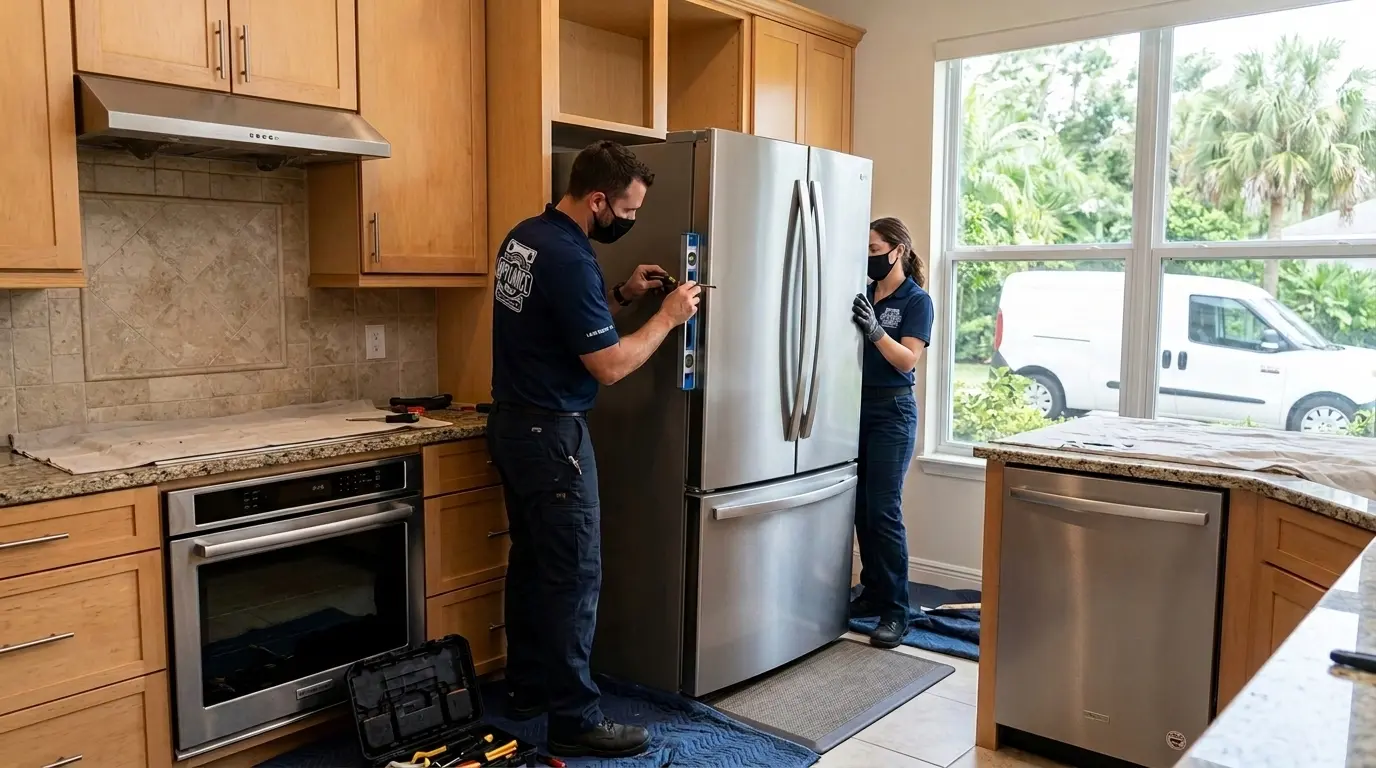
Finally, they level both machines, plug them in, and run a test cycle. They watch for leaks, listen for odd noises, and make sure the dryer gets hot and the washer drains fully. They also clean up any packaging and explain the basic functions to you.
Step-by-Step Washer and Dryer Setup Process
Here’s a closer look at the steps so you know exactly what to expect when the installer arrives.
Step 1: Prep and inspection. The technician checks your existing plumbing, electrical connections, and venting. They confirm the water valves work and that the drain pipe is clear. If there’s an old machine, they disconnect it and move it out of the way.
Step 2: Positioning the machines. The washer and dryer go into place with enough space behind them for proper airflow and hose clearance. The installer also checks that the floor is level enough to support the machines.
Step 3: Water line hookup. For the washer, the installer connects the hot and cold water hoses. They use new washers inside the fittings to prevent drips. Then they turn on the water and check for leaks at every connection point.
Step 4: Drain hose connection. The drain hose gets inserted into the standpipe or laundry sink. The installer secures it so it won’t pop out during the spin cycle. They also make sure the hose is not pushed too far down, which can cause siphoning problems.
Step 5: Dryer vent or gas connection. For electric dryers, the installer plugs the machine into the 240-volt outlet and confirms it’s receiving power. For gas dryers, they connect the flexible gas line, tighten the fittings, and test for leaks with a soap solution. Then they attach the vent hose and route it outside.
Step 6: Leveling and testing. The installer adjusts the feet on both machines so they sit steady. They run the washer through a short cycle and the dryer on a heat setting to confirm everything works. They also check that the dryer vent is pushing air outside properly.
DIY installation may seem convenient, but professional help can offer added safety and peace of mind. Appliance installation services in Winter Park, FL can help you understand the benefits of having your appliance installed correctly from the start.
Factors That Affect Washer and Dryer Installation Cost
The cost of washer dryer installation Winter Park FL depends on several things. Understanding these factors helps you budget without surprises.
Type of dryer. Electric dryers are usually simpler to hook up if the right outlet is already there. Gas dryers cost a bit more because of the gas line connection and leak test. If no gas line exists, running a new one adds to the total.
Existing connections. If your laundry room already has the proper water valves, drain pipe, and vent opening, the job moves fast. If any of these need upgrades—like replacing old shut-off valves or adding a new vent—the price goes up.
Old appliance removal. If you need the installer to haul away your old washer and dryer, there may be a small fee. Ask about this when you book the appointment.
Access and space. Some laundry rooms in Winter Park homes are tight. If the installer has to navigate narrow hallways or stairs, it can take more time. This is especially true in older homes with small utility closets.
Additional parts. New hoses, vent clamps, or a dryer vent kit may be needed if your existing parts are worn out. A good installer will show you what’s needed before adding anything to the bill.
Gas vs. Electric Dryer Installation: What to Know
Choosing between gas and electric affects more than just your energy bill. It also changes the installation process.
Electric dryers need a dedicated 240-volt outlet. Most modern homes have this in the laundry area, but older homes might not. If the outlet is missing, an electrician will need to run a new circuit. That adds time and cost to the job. The installer will also check that the outlet matches the dryer’s plug type, since there are different configurations.
Gas dryers require a gas shut-off valve within reach and a flexible connector rated for gas use. The installer must check for leaks after connecting everything. A gas dryer also needs a vent to exhaust hot air and moisture outside. Even though gas dryers cost more upfront, they often dry clothes faster and use less energy.
Venting matters for both types. A proper dryer vent should be as short and straight as possible. Long runs with lots of bends trap lint and reduce airflow. This makes the dryer work harder and increases the fire risk. A professional installer will inspect the vent path and recommend changes if needed.
A dryer that isn’t heating, spinning, or drying clothes properly may need professional attention. Professional dryer repair services can help identify the problem and get your appliance back to working efficiently.
Common Mistakes Homeowners Make
We’ve seen plenty of DIY washer and dryer installations gone wrong. Here are the most common problems and how to avoid them.
Using old rubber hoses. Rubber hoses are cheap, but they wear out and can burst. A burst hose in a laundry room can flood your home in minutes. Always use new stainless steel braided hoses, which are much stronger and last longer.
Not securing the drain hose. If the drain hose isn’t fastened properly, it can pop out during the spin cycle and dump water all over the floor. A simple clamp or zip tie can prevent this.
Pushing the drain hose too far into the pipe. This one is less obvious, but it causes siphoning. If the hose goes too deep, water can flow back into the machine or drain improperly. There’s a sweet spot, and a trained installer knows where it is.
Using a foil dryer vent hose. Those flimsy foil hoses may look convenient, but they trap lint and tear easily. A rigid or semi-rigid metal vent is much safer and more efficient. If your current vent is foil, consider upgrading during installation.
Skipping the leveling step. An unlevel washing machine can shake violently during the spin cycle. This wears out the bearings and can even move the machine across the floor. Leveling takes a few minutes but saves you from costly repairs later.
These are exactly the kinds of issues a professional laundry appliance installation prevents. A trained tech knows the common pitfalls and how to avoid them.
How to Prepare Your Laundry Room for Installation Day
A little prep work makes the installation faster and smoother. Here’s what you can do before the installer arrives.
Clear a path. Move any furniture, baskets, or clutter out of the way. The installer needs room to move the machines in without bumping into walls or door frames.
Clean the laundry area. Sweep or vacuum the floor where the machines will sit. A clean surface makes it easier to level the units and spot any leaks after installation.
Check your existing connections. Take a look at the water valves behind your current washer. If they look rusty or hard to turn, mention it when you book. The installer may need to replace them.
Measure your space. Washers and dryers come in different sizes. Measure the width, depth, and height of your laundry area, including the doorway. This ensures your new machines actually fit.
Know your fuel type. If you have a dryer, confirm whether it runs on gas or electric. This affects what kind of connection the installer needs to make.
Keeping your laundry appliances well maintained can help prevent common problems and extend their lifespan. Our washing machine maintenance guide covers simple habits that can help keep your washer running efficiently for years to come.
Local Considerations for Winter Park Homes
Winter Park has a humid climate, and that affects laundry rooms more than you might think. Moisture from the dryer vent can condense inside the vent pipe if the airflow is weak. Over time, this creates the perfect environment for mold and lint buildup. A professional installer will make sure the vent pipe is sloped correctly and that the outside vent flap closes tightly when the dryer isn’t running.
Older homes in Winter Park often have laundry rooms that were added as an afterthought. They might have small closets, limited electrical capacity, or drain pipes that are narrower than modern standards. A local installer understands these quirks and knows how to work with them.
Water quality is another factor. Central Florida water tends to be hard, which means mineral deposits can build up inside washer hoses and valves. This can reduce water flow over time. A professional can recommend a sediment filter or water softener if your home has particularly hard water.
If your laundry room is in a garage or an unheated space, humidity control becomes even more important. The installer might suggest insulating the water lines or using a drip pan under the washer to catch any small leaks before they cause damage.
If you need help with any washer or dryer issue in the area, Discount Appliance Repair of Central Florida serves all of Winter Park and the surrounding communities. We’re just a phone call away.
Ready for Professional Washer and Dryer Installation in Winter Park?
Your laundry room should work hard without causing you stress. A proper washer dryer installation Winter Park FL from Discount Appliance Repair of Central Florida gives you peace of mind that everything is connected safely and running smoothly. Whether you’re replacing old machines or setting up a new laundry space, our certified technicians handle the details so you don’t have to.
We’ve served Winter Park and the surrounding areas for years, and we understand the local homes, the humidity, and the common plumbing and venting issues. From simple hookups to full laundry room setups, we do it all with honest pricing and a satisfaction guarantee.
Don’t gamble with water lines, gas connections, or dryer vents. Trust the local team that knows laundry appliance installation inside and out. Call Discount Appliance Repair of Central Florida today to schedule your appointment and get your laundry room working the way it should.
Frequently Asked Questions
How much does washer and dryer installation cost?
The cost depends on the type of dryer, the condition of existing connections, and whether any upgrades are needed. A standard installation with existing hookups usually takes 1-2 hours. Gas dryer installation or jobs that need new vents or circuits cost more.
Can I install a washer and dryer myself?
You can, but it’s risky if you’re not familiar with plumbing, electrical, and venting requirements. A mistake can cause water damage, gas leaks, or fire hazards. Hiring a pro is safer and usually worth the cost.
What is included in a washer hookup service?
A professional hookup includes connecting hot and cold water lines, securing the drain hose, leveling the machine, and running a test cycle. The installer also checks for leaks and makes sure the machine drains properly.
How long does dryer installation take?
A typical electric dryer installation takes about 30-60 minutes if the outlet is already in place. Gas dryer installation takes a bit longer because of the leak test. If a new vent or gas line is needed, the job can take several hours.
Do I need a gas line for a gas dryer?
Yes, a gas dryer needs a dedicated gas line with a shut-off valve. If your laundry room doesn’t have one, a licensed plumber or gas fitter will need to install it before the dryer can be connected.
What kind of outlet does an electric dryer need?
Electric dryers need a 240-volt outlet, which is different from standard 120-volt outlets. If your home doesn’t have one, an electrician will need to run a new circuit.
How do I prevent my washing machine from shaking?
Proper leveling is the key. The installer adjusts the feet so the machine sits evenly on the floor. They also check that the shipping bolts have been removed, which is a step many DIYers forget.