


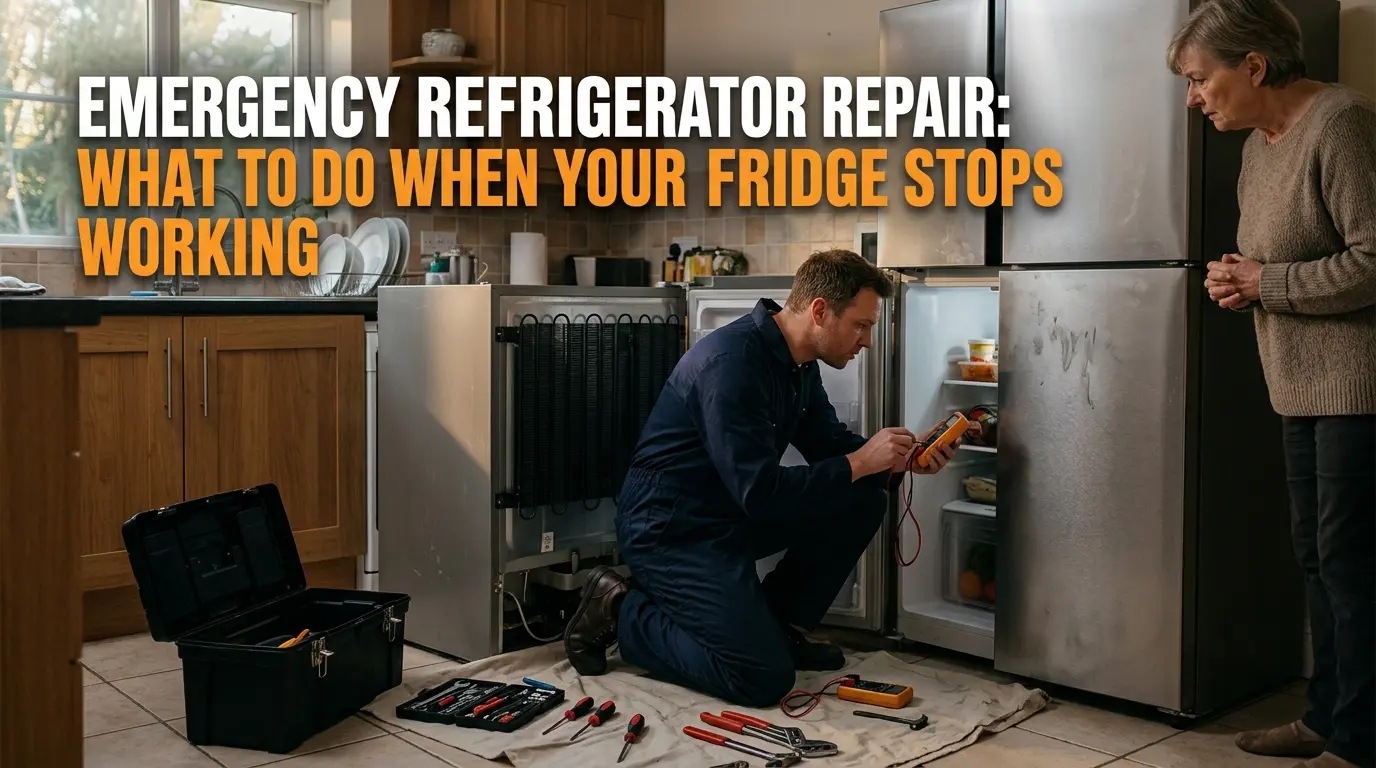

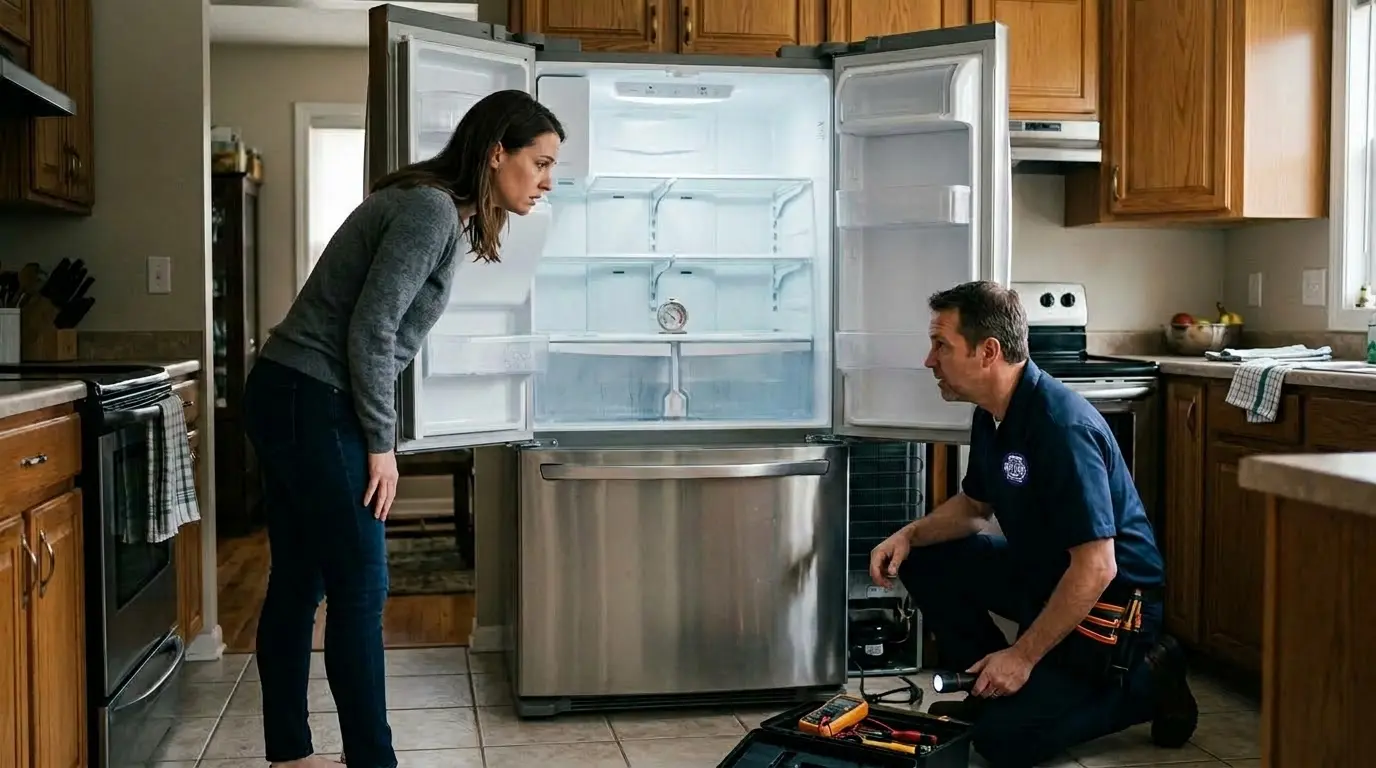



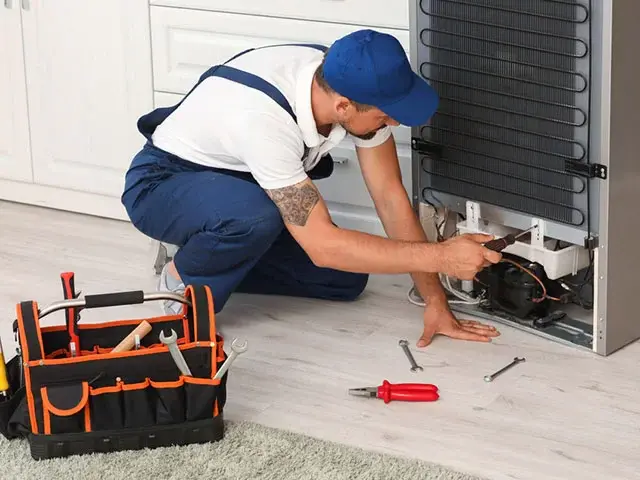
Your fridge stopped cooling and now you’re staring at warm milk and soggy leftovers. It’s frustrating and it can get expensive fast. This guide covers the most common reasons a refrigerator stops cooling, what you can check yourself, and when it’s time to call a repair tech in Orlando. Whether your freezer’s still running fine or everything’s warm, there’s usually a fixable cause behind it.
Why Is My Refrigerator Not Cooling?
A refrigerator not cooling doesn’t always mean it’s dead. Most of the time, one specific part has failed and that part is replaceable. The trick is figuring out which one. Orlando’s heat and humidity can make some of these problems worse, especially if your fridge is in a garage or near a window. Before you assume the worst, work through the basics first.
Start simple. Is the fridge plugged in? Is the thermostat set too high? Did someone accidentally bump the temperature dial? These sound obvious, but they’re the first things a repair tech will check. Once you’ve ruled those out, it’s time to dig a little deeper.
Is Your Freezer Working But Fridge Not Cold?
This is one of the most common complaints. The freezer feels fine, but the fresh food section is warm. This specific symptom almost always points to one thing: a problem with airflow between the freezer and the fridge compartment.
In most refrigerators, cold air is produced in the freezer and then circulated into the fridge section through a small fan and damper. If that evaporator fan isn’t running, or if the damper is stuck closed, cold air never reaches the bottom section. You might also have a frozen evaporator coil blocking airflow entirely. This is called frost buildup and it’s more common in Orlando homes where doors get opened frequently in the humidity.
How to Check the Evaporator Fan
Open your freezer and listen. You should hear a fan running when the door is open (you may need to press the door switch manually). If it’s silent, the fan motor may have failed. Replacing an evaporator fan motor is a doable DIY repair and costs around $30–$80 in parts.
What Is a Damper and How Does It Fail?
The damper is a small flap that controls how much cold air moves from the freezer into the fridge. It can get stuck closed due to ice buildup or wear. If you hear the fan running but the fridge still isn’t cold, the damper is worth inspecting.
Could the Fridge Compressor Not Be Working?
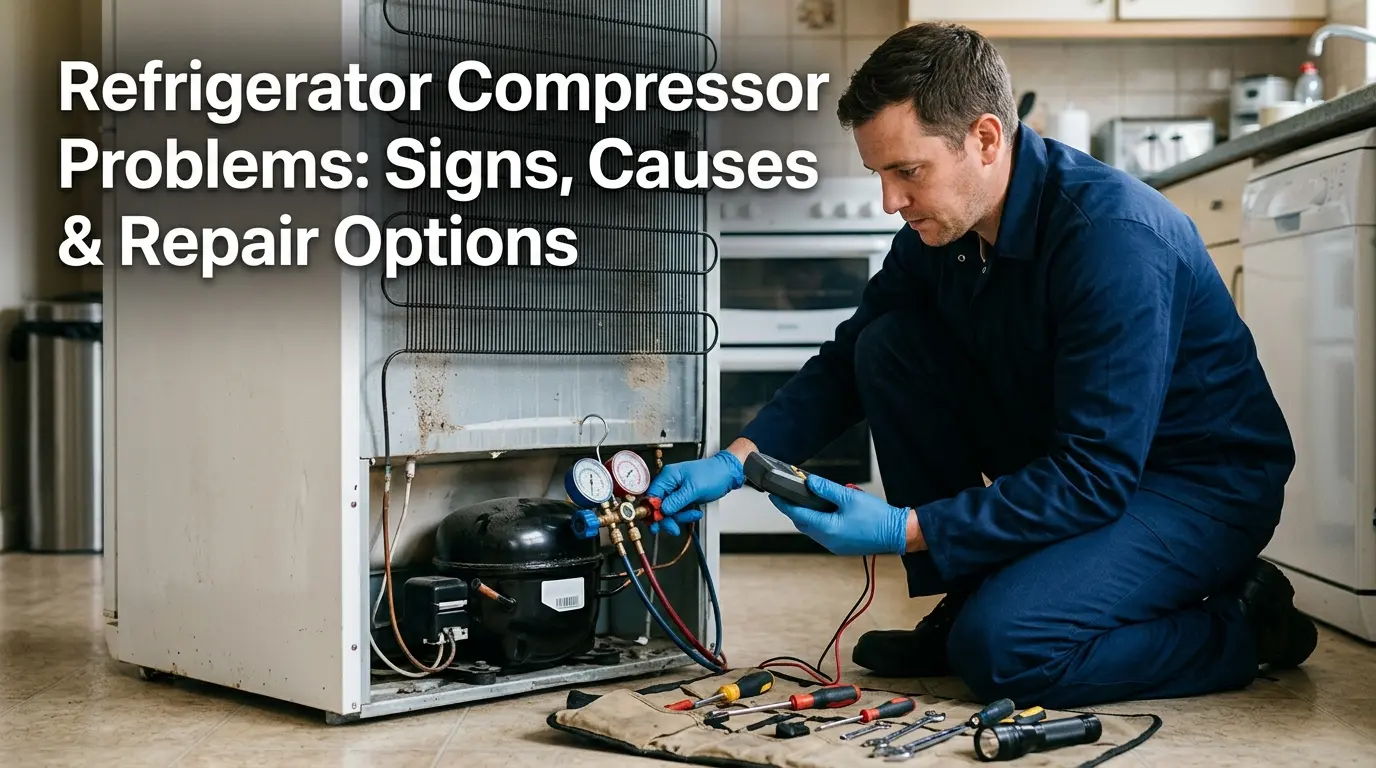
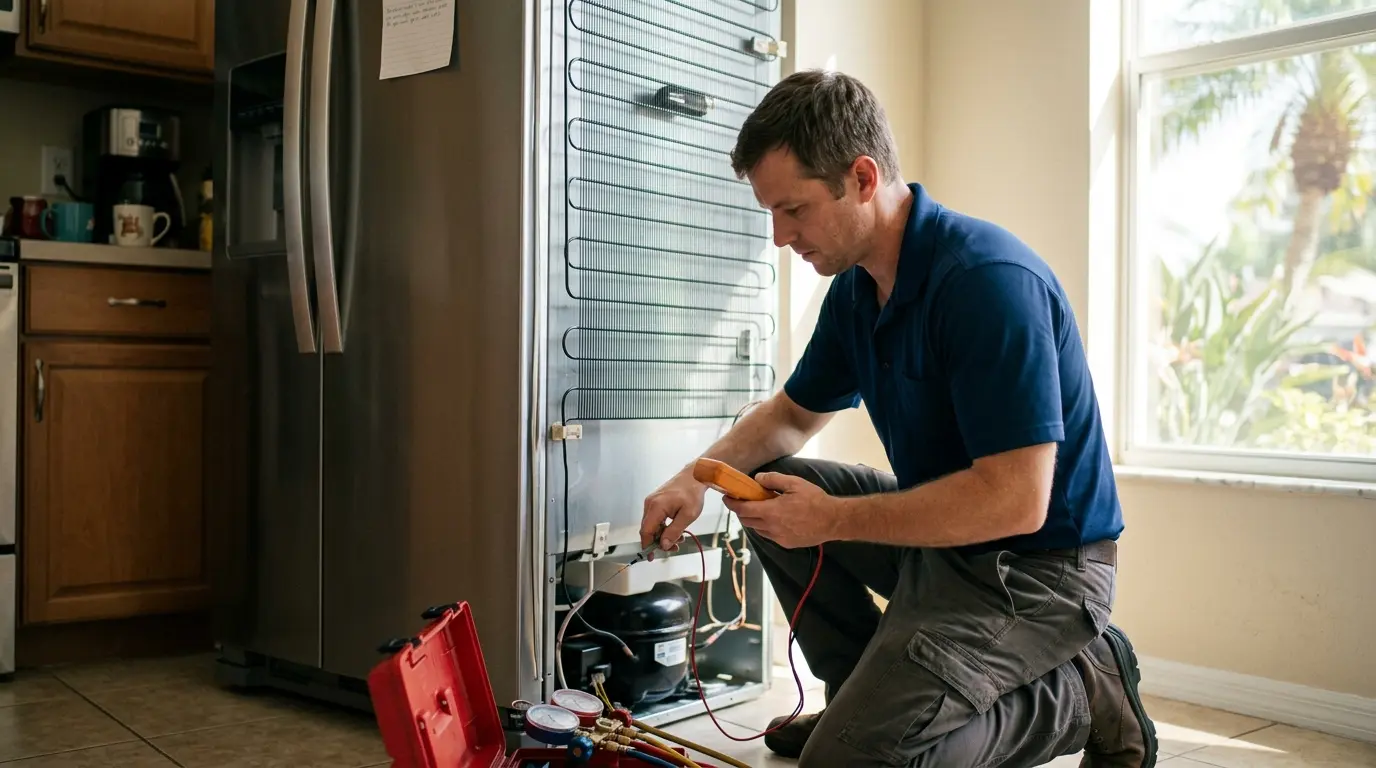
The compressor is the heart of your refrigerator. It pressurizes refrigerant and keeps the whole cooling cycle going. When the fridge compressor isn’t working, nothing cools not the fridge, not the freezer.
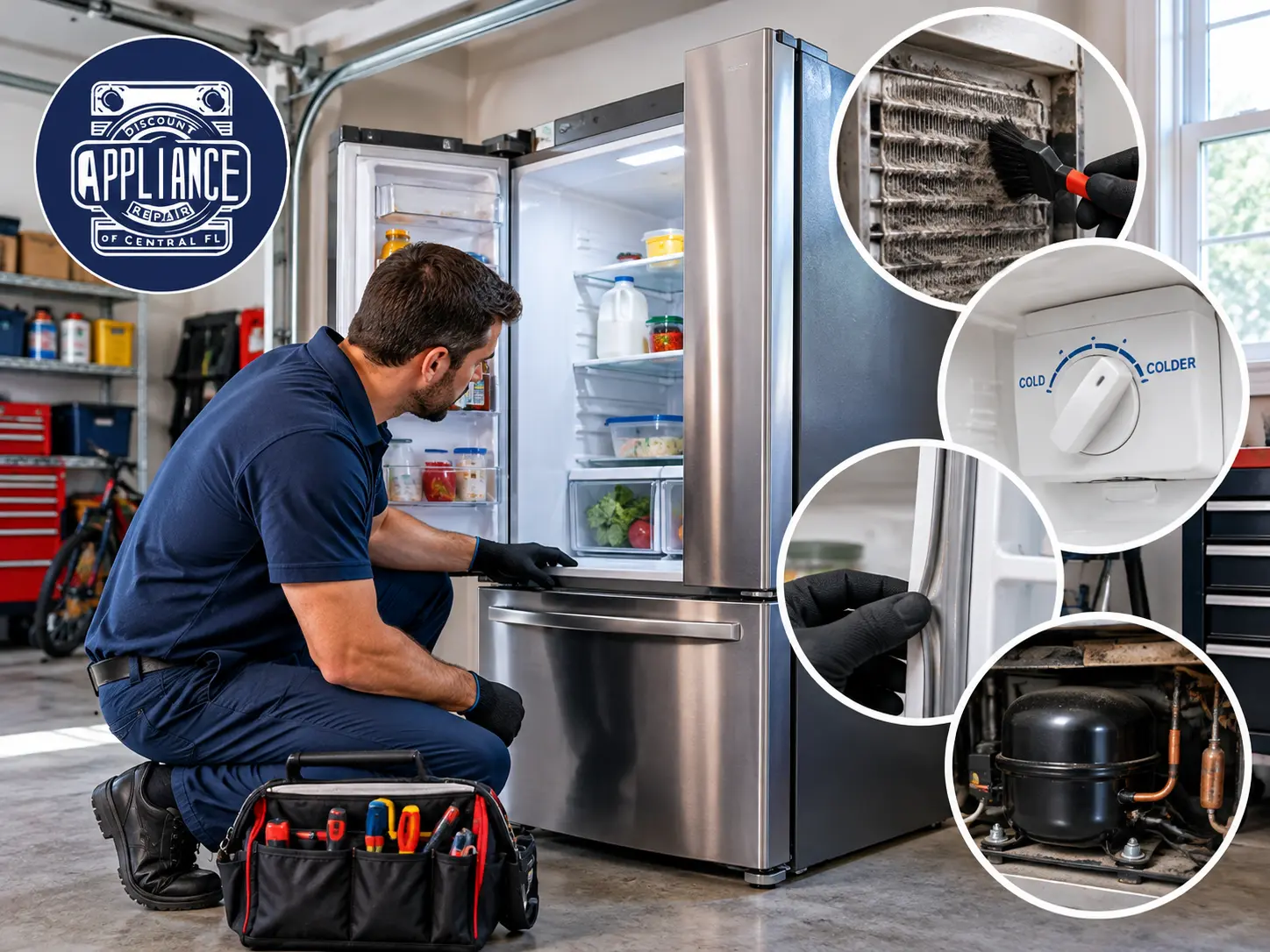
You’ll usually hear the compressor running as a low hum at the back of the fridge. If you hear nothing, or if it clicks on and briefly shuts off repeatedly, that’s a red flag. A compressor that’s trying to start but can’t may be overloaded or failing. Sometimes it’s the start relay a small, cheap part that helps the compressor fire up. Shaking it near your ear can actually tell you something. If it rattles, it’s likely dead.
Replacing the Start Relay vs. the Compressor
A start relay costs $10–$30 and takes about 10 minutes to swap out. It’s one of the best first fixes to try when your compressor seems dead. An actual compressor replacement is a much bigger job often $300–$600 in parts and labor. At that price point, the age of your fridge matters. If it’s over 10 years old, a new unit might make more sense.
What About Dirty Condenser Coils?
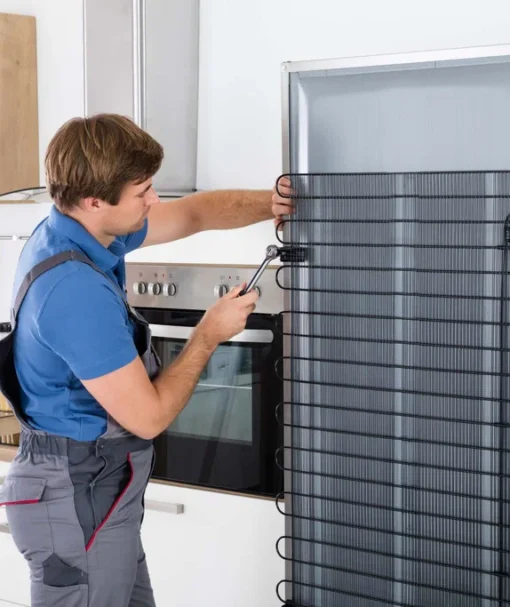
Here’s one most homeowners in Orlando overlook. Condenser coils release heat from the refrigerant. When they’re caked in dust and debris, the fridge can’t cool efficiently. It runs constantly but never gets cold enough.
In Florida, this problem gets worse faster. Dust, pet hair, and even small insects can clog coils quickly in a humid environment. Most refrigerators have condenser coils underneath or behind the unit.
How to Clean Condenser Coils
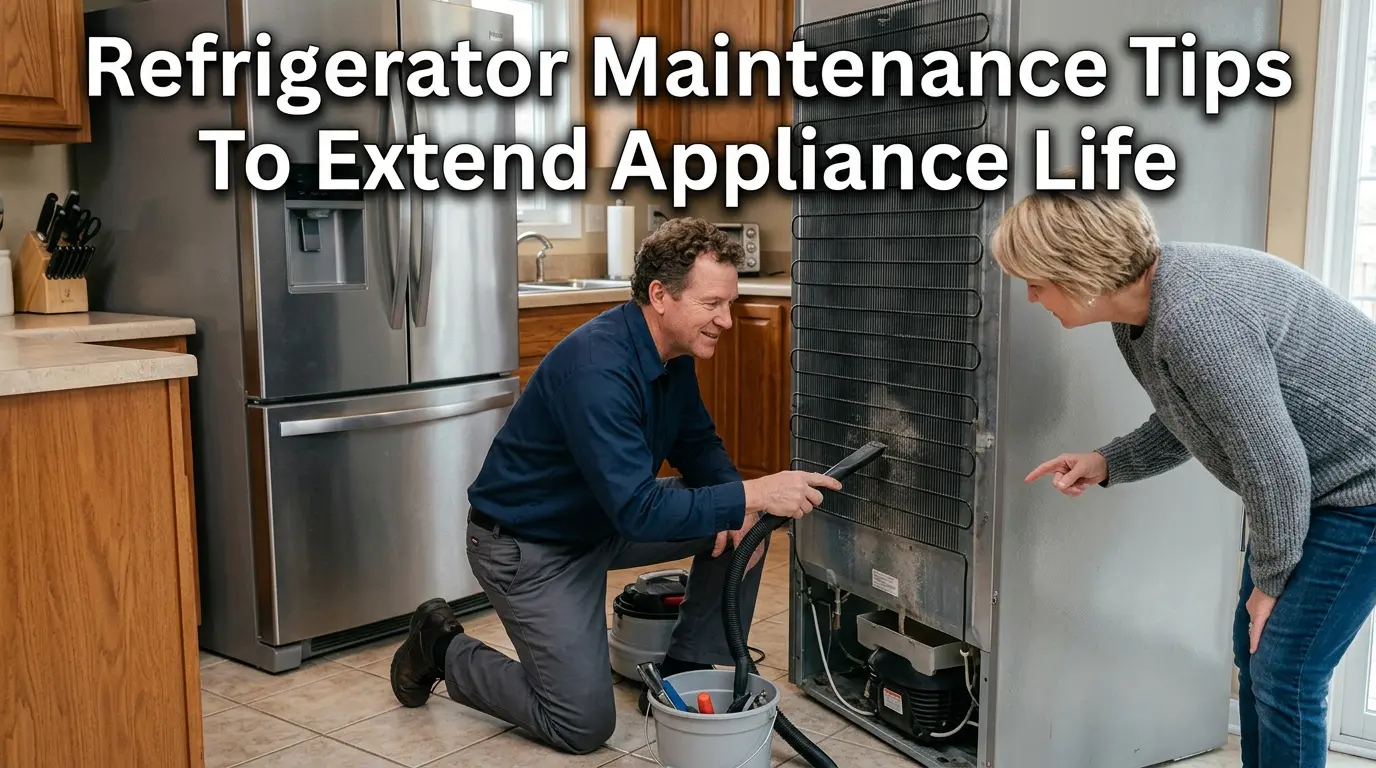
Unplug the fridge first. Pull it away from the wall. Use a coil brush or a vacuum with a brush attachment to clean the coils thoroughly. Do this once a year minimum. It takes 15 minutes and can dramatically improve cooling performance sometimes solving the problem entirely.
Is the Door Seal Letting Warm Air In?
A damaged or worn door gasket is easy to miss. If the seal around your fridge door isn’t tight, warm humid air sneaks in constantly. In Orlando, that’s a real problem the outside air is warm and full of moisture almost year-round.
Do the dollar bill test. Close the fridge door on a dollar bill. Try to pull it out. If it slides out easily, your seal is too loose. Check the entire perimeter of both the fridge and freezer doors. You might see cracked rubber, mold buildup, or sections that don’t lay flat against the frame.
Replacement gaskets are model-specific but usually cost $20–$60. They snap or screw into place and are a solid DIY fix.

Could It Be a Refrigerant Leak?
Refrigerant is what actually makes your fridge cold. It’s a sealed system if it’s leaking, something went wrong with the lines or connections. A refrigerant leak isn’t something you can fix yourself. It requires a licensed technician with the right equipment.
Signs of a refrigerant leak include a fridge that runs constantly but never reaches temperature, an oily residue near coils, or a chemical smell. This isn’t a common failure in newer fridges, but it does happen especially in units that have been moved, dropped, or have old copper lines.
If you suspect a refrigerant issue, call a professional. In Orlando, a certified appliance repair tech can diagnose and recharge a system if the leak is small and repairable.
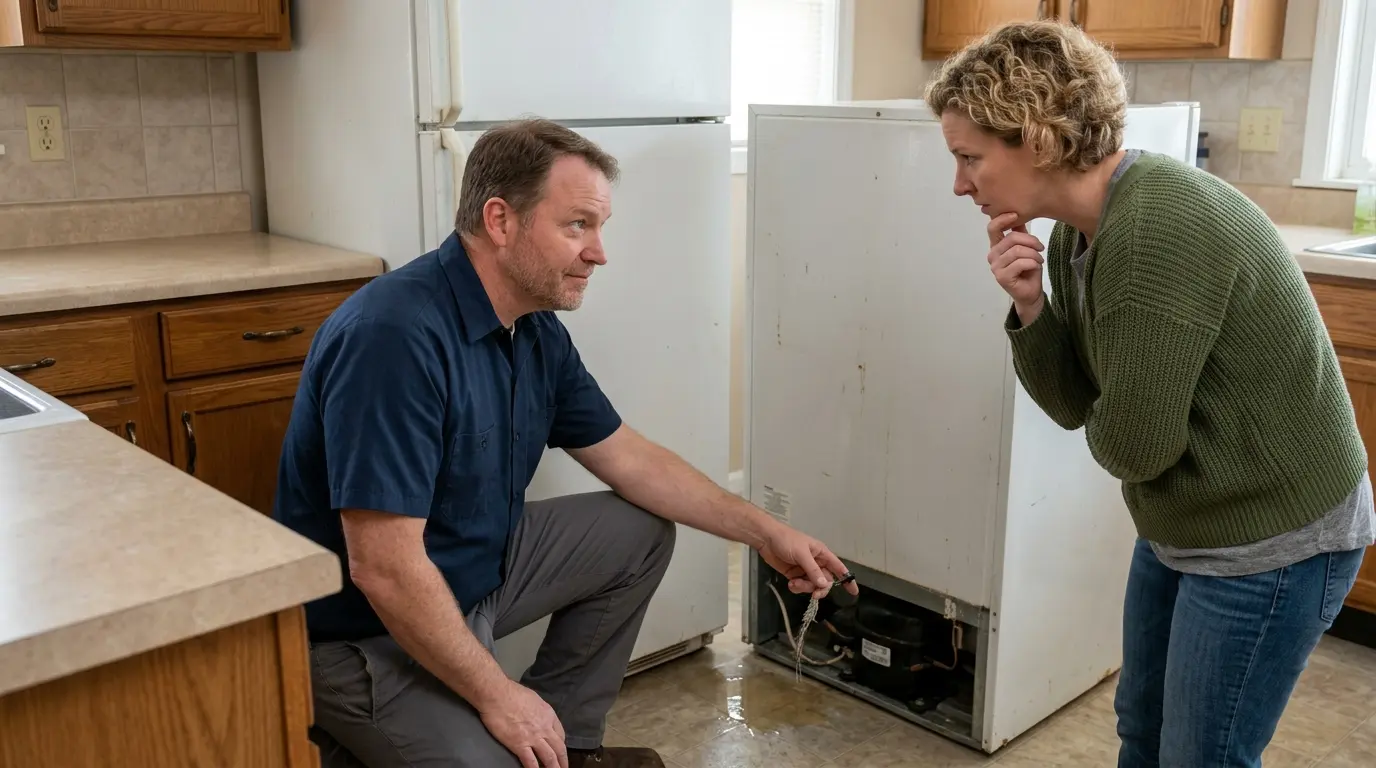
When Should You Call a Repair Tech in Orlando?
Some fixes are genuinely DIY-friendly. Cleaning coils, replacing a door gasket, or swapping a start relay are all things a handy homeowner can handle. But other repairs compressor issues, refrigerant leaks, control board failures need a pro.
Here’s a simple way to think about it: if the repair costs more than half the price of a new refrigerator, and your fridge is over 8 years old, replacement often makes more financial sense. If the fridge is newer or the repair is straightforward, fix it.
Orlando has no shortage of appliance repair services, but wait times can stretch a few days during busy seasons. If your fridge is fully down, consider moving perishables to a cooler with ice while you wait. Don’t let food sit in a warm fridge for more than two hours.
How to Prevent Refrigerator Cooling Problems
Prevention isn’t glamorous, but it saves money. A few simple habits can keep your fridge running smoothly for years.
Don’t overfill the fridge. Airflow inside the unit needs to circulate freely. Cramming every shelf to the back blocks vents and forces the fridge to work harder. Leave space between items, especially near the back wall where air enters.
Keep the fridge away from heat sources. In Orlando, placing a fridge near a window with direct sunlight or next to an oven makes it work overtime. A garage fridge in a south-facing space can struggle badly during summer.
Clean coils annually. Set a reminder. It’s the single most effective maintenance task you can do.
Check the door seals every six months. A quick dollar bill test takes 30 seconds and can catch a failing gasket before it becomes a costly problem.
FAQ
Why is my refrigerator running but not cooling?
If your fridge is running but not getting cold, the most likely culprits are dirty condenser coils, a failed evaporator fan, a stuck damper, or a bad start relay. The compressor may be running but the system isn’t completing the cooling cycle properly. Start by cleaning the coils and checking if the fan inside the freezer is spinning. If neither fixes it, a repair tech can run a full diagnostic to pinpoint the issue.
Why is my freezer working but the fridge is not cold?
This almost always means airflow between the two compartments is blocked or cut off. The evaporator fan may have failed, the damper may be stuck, or ice buildup on the evaporator coils may be blocking air from reaching the fridge section. Try unplugging the fridge for 24–48 hours to defrost it fully. If it cools normally after that and then stops again, you likely have a defrost system issue.
How do I know if my fridge compressor is bad?
Listen for the compressor at the back of the fridge. A healthy compressor hums steadily. A bad one may click on and off repeatedly, make a loud buzzing noise, or stay completely silent. Before assuming the compressor is dead, try replacing the start relay it’s a $15 fix that mimics a dead compressor when it fails. If the relay is fine but the unit still won’t run, the compressor itself may need replacement.
Is it worth repairing an old refrigerator?
It depends on the age and the repair cost. A general rule: if the repair costs more than 50% of the price of a new fridge, and your unit is 8–10 years old, replacement is usually the smarter choice. Smaller repairs — a gasket, a fan motor, a relay — are almost always worth doing regardless of age. For Orlando homeowners, factor in the cost of a local service call when comparing repair vs. replacement.
How often should I clean my refrigerator coils?
Once a year is the minimum, especially in Florida. Orlando’s environment — humidity, dust, occasional insects — can clog condenser coils faster than in drier climates. If you have pets that shed, clean the coils every six months. It’s a 15-minute task that improves efficiency, reduces energy bills, and extends the life of your fridge significantly.
What temperature should my refrigerator be set to?
The FDA recommends 40°F (4°C) or below for the fresh food section and 0°F (-18°C) for the freezer. If your fridge feels warm but the thermostat is set correctly, the issue is mechanical — not the setting. Use a fridge thermometer to verify actual internal temperature rather than relying on the dial alone