


















Your kitchen should be a quiet place where you can cook and enjoy meals. But a sudden loud sound from your food preservation unit can break that peace quickly. When your cooling machine starts acting up, you might find yourself dealing with a very noisy refrigerator. This extra sound is often a clear warning signal that your system needs some immediate mechanical attention.
A humming sound is quite normal for most cooling appliances when they run their daily cooling cycles. However, a strange or heavy refrigerator compressor noise is something you should never ignore for long. This guide will help you understand these sounds so you can keep your kitchen quiet and your fresh food safe.
Understanding Your Refrigerator Compressor Noise
Before you try to fix any appliance, you must know what the parts do. The compressor pump is the true heart of your cooling system because it pushes cold gas around. It sits at the bottom of the unit and works hard to keep your milk cold.
When this vital pump starts struggling, you will usually hear a very deep fridge buzzing sound. This vibration happens when internal pistons or electrical parts wear down from years of constant use. Understanding this core part helps you see why quick action saves your food.
The Real Job of Your Appliance Compressor
Your compressor pump forces chemical refrigerant fluid through a long loop of copper tubes to pull heat away. If this part gets too hot or loses its oil, it will make a terrible fridge loud noise. This sound means the metal parts are rubbing together inside the sealed metal canister without enough oil.
Why Do Compressor Parts Get Loud?
Internal springs can break over time, which causes the pump motor to hit the outer metal frame. That specific mechanical failure creates a sharp fridge knocking sound whenever the appliance starts up or shuts down. If you hear this specific metallic impact, your compressor is reaching the absolute end of its life.
Common Causes of a Noisy Refrigerator
Many moving parts inside a modern cooling unit can create bad sounds when they get old. The compressor pump makes a deep buzz at the lower back of the unit when it fails. The condenser fan clicks near the floor, while the evaporator fan chirps inside the freezer section.
Finding the exact source of the sound makes it much easier to plan your next repair step. You can listen closely to different areas of the unit to trace the trouble.
Damaged or Broken Fan Blades
A blocked fan blade can create a very high sound that sounds like a small bird. You can tell you have refrigerator fan noise if the sound gets louder when you open the door. This happens when the evaporator fan strikes ice buildup or a piece of loose plastic trim.
Dirty Condenser Metal Coils
Thick layers of gray dust and pet hair block the warm air from leaving your system. This buildup forces the cooling pump to work twice as hard to keep your food fresh. The extra workload makes the system run hot and creates an annoying fridge buzzing sound all day.
Easy Fixes You Can Try Today
You do not always need a toolbox full of heavy tools to fix a noisy home appliance. There are several simple things you can check right now to solve the issue. Taking these steps can save you time and prevent minor issues from becoming major problems later.
- Level the Refrigerator Feet: Place a bubble level on top of your appliance cabinet to check its balance. Use a wrench to turn the front leveling legs until the unit sits completely flat. This stops the outer metal panels from vibrating against your kitchen floors or wooden cabinets.
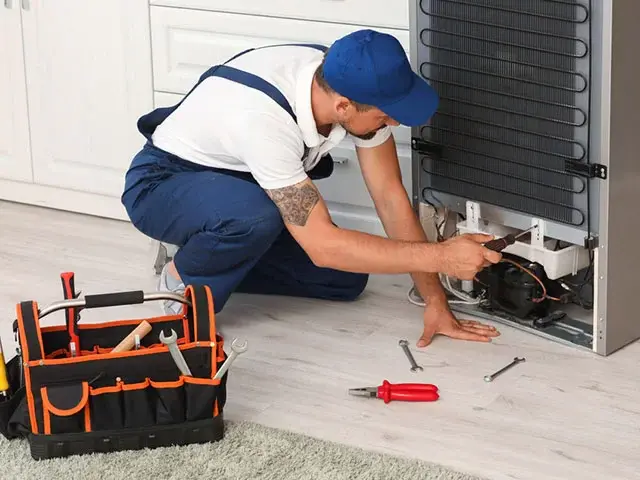
- Clean the Back Coils: Pull the power plug from the wall outlet to stay safe while you work. Remove the lower back panel mesh and vacuum all dust off the metal coils. Keeping these coils clean lets heat escape easily, which stops that heavy fridge loud noise.
- Inspect the Defrost Fan: Look inside your freezer compartment and remove the plastic cover over the back wall. Check the small fan blades to see if they are striking frost or ice sheets. Clear away any ice blocks using a hair dryer on a low heat setting.
Doing these basic maintenance steps can fix simple vibrations and extend the life of your unit.
Give Your Unit Extra Breathing Room
Appliances need plenty of open space around their exterior walls so they can shed heat properly. If your unit is pushed too tight against the drywall, it will create a loud noise. Leave at least two inches of open space on all sides to keep things quiet.
Check the Black Rubber Mounts
The main compressor pump sits on small black rubber donuts that soak up mechanical movement. If these rubber parts get dry and hard, the pump will rattle against the steel frame. Replacing these worn rubber mounts can completely eliminate a deep fridge knocking sound in minutes.

When to Call a Repair Professional
Some appliance issues require special tools and advanced trade knowledge that homeowners do not have. You should look for warning signs like a pump that is hot to the touch or rising internal temperatures. Another bad sign is when the unit trips your home circuit breaker repeatedly.
Working on sealed chemical lines requires proper licensing to protect the environment from dangerous gas leaks. Trying to open these sealed tubes yourself can ruin your expensive kitchen appliance permanently.
Your Food is Getting Warm
If your fresh meat is melting, your compressor is likely failing to pump fluid. A noisy refrigerator that cannot hold a safe temperature needs professional help before your food spoils. Do not wait until you lose hundreds of dollars in groceries to make the call.
The System Keeps Clicking
A distinct clicking sound followed by total silence means the motor starter relay is failing completely. This electrical part tries to start the pump but shuts off when it gets too hot. A trained specialist can swap this electrical part safely to fix your appliance problems.
Professional Care in Orlando
Central Florida weather brings high heat and thick humidity that puts extra stress on cooling systems. Your home appliances have to run longer cycles here just to handle the daily outdoor heat. That is why you need a local team that knows how to handle hot weather breakdown issues. The experts at Discountappliance Repair can pinpoint your refrigerator compressor noise and fix it right the first time. We bring over twenty years of field experience to every single home kitchen visit.
Our skilled technicians arrive with fully stocked trucks to handle your refrigerator fan noise on the spot. We offer fast same-day appliance repair service across Orlando so you never have to worry. Let us restore the peace and quiet in your home today with our affordable repair solutions.
FAQS
Why is my refrigerator making a buzzing sound?
A low buzz is usually just the sound of the cooling fluid moving through the system. If it gets very loud, you have dirty condenser coils or a failing compressor pump.
How do I know if my compressor is bad?
A bad compressor makes a loud knocking sound or a constant clicking noise without cooling the unit. The metal tank on the back will also feel extremely hot to the touch.
Can a noisy refrigerator cause a fire?
An electrical short or a locked fan motor can overheat and pose a real fire danger over time. You should always unplug a noisy unit if it smells like hot plastic or smoke.
Is it worth fixing a noisy compressor?
Replacing a compressor can be expensive, so it depends on the total age of your current kitchen appliance. If your unit is less than five years old, a repair is usually smart.