

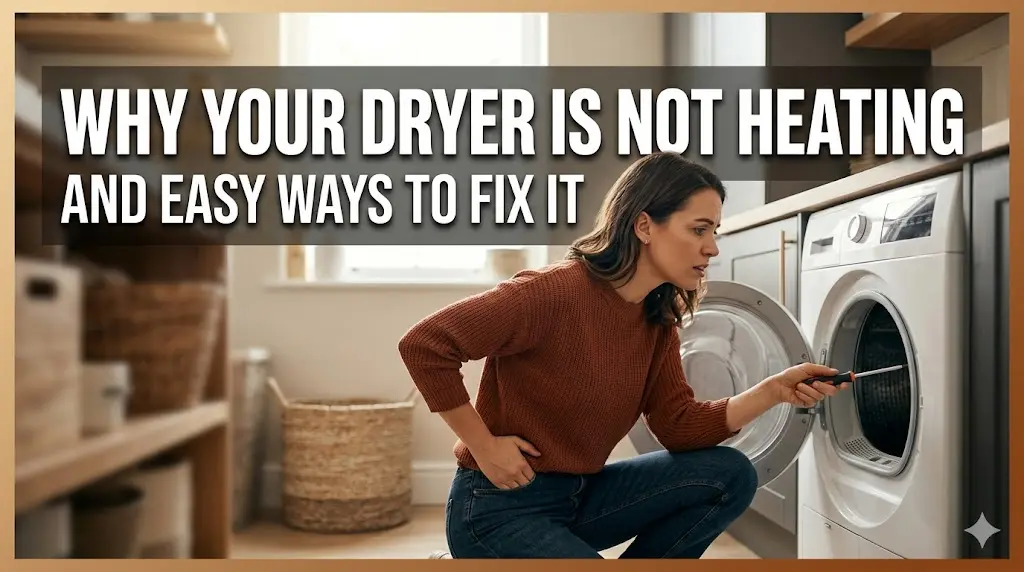





Nothing ruins laundry day faster than pulling clothes out of the machine only to find them damp, heavy, and cold. You expected warm, fluffy towels, but instead, you are dealing with frustrating dryer problems that disrupt your whole routine. When your dryer is not heating, you might worry that you need to spend a lot of money on a brand-new appliance.
Fortunately, a cold machine does not mean you have to throw it away. Many common dryer issues happen because of simple part failures or clogged vents that you can fix easily. By learning how your machine uses air and heat, you can quickly find the root cause of the trouble. This guide will walk you through easy dryer troubleshooting steps, help you identify broken parts, and show you when to call a professional dryer repair service.
How Your Dryer Generates and Uses Heat
To fix a cold dryer, you need to understand how the machine works. Whether you own a gas or electric model, your dryer relies on three things: a heat source, steady airflow, and accurate temperature switches. If anything blocks the air or breaks a part, the safety system turns off the heat to prevent a house fire.
Why Airflow Matters
Proper heating depends entirely on clean, open air paths. Your dryer pulls in air from the room, heats it up, pushes it through the tumbling drum to dry your clothes, and blows the damp air out of the exhaust vent. If lint blocks this path, heat builds up inside the machine. This trips the safety switches and leaves your clothes wet. Regular dryer maintenance must include cleaning this air path to keep your machine safe and efficient.
Electric vs. Gas Dryers
The reason your machine is cold often depends on the type of fuel it uses:
- Electric Dryer Repair: Electric models use a thick metal coil called a heating element. When electricity flows through this coil, it glows red hot to heat the air. Over time, these metal coils crack or burn out from normal wear and tear.
- Gas Dryer Repair: Gas dryers use a small burner assembly. This system includes an igniter, gas valves, and a flame sensor. If the igniter does not glow or the valves stay closed, the gas will not light, and your dryer will stay cold.
5 Common Reasons Your Dryer Is Not Heating
When your machine spins but fails to get warm, one of these five common problems is usually the cause.
1. A Blown Thermal Fuse
The thermal fuse is a small safety switch that protects your home from fires. It measures the temperature of the air flowing through the dryer. If the machine gets too hot, the fuse breaks the electrical path to stop the heat.
A blown fuse is a very common reason for dryer heating issues. When it breaks, the drum might still spin, but the air stays cold. You cannot reset a thermal fuse; you must replace it with a new one. Remember, a fuse usually blows because a clogged vent traps too much heat inside the machine.
2. Clogged Exhaust Vents and Lint Clumps
If you have not cleaned your exhaust duct recently, a major blockage is likely causing your trouble. Over time, tiny fabric fibers escape the lint screen and pile up inside the long vent pipe.
A clogged vent stops the hot air from escaping. This forces the safety thermostats to turn off the heat before your clothes can dry. Doing routine clogged dryer vent cleaning fixes this issue easily. Cleaning out all lint buildup from the screen and the wall vent will make your machine dry faster and protect internal parts from overheating.
[Air In] ➔ [Heater / Burner] ➔ [Tumbling Drum] ➔ [Lint Screen] ➔ [Exhaust Pipe]
▲
(Blockage here blows the fuse!)
3. A Broken Heating Element
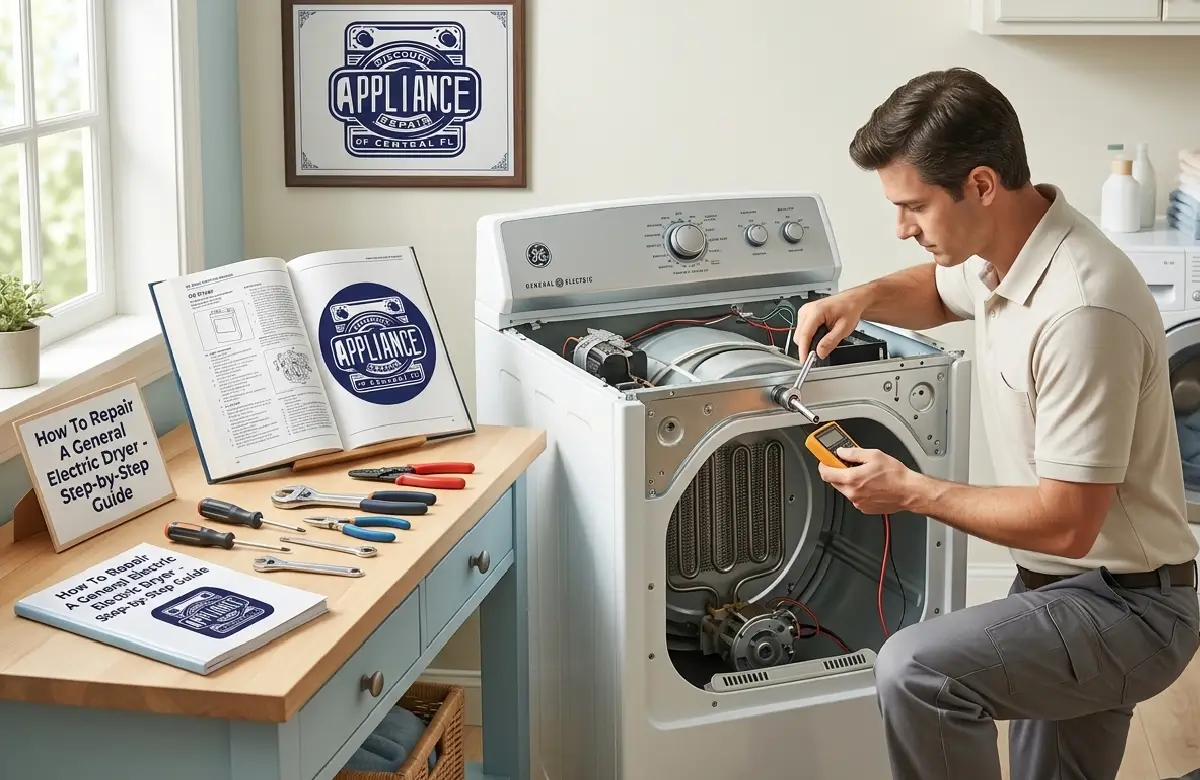
In electric dryers, the heating element does all the hard work. As the machine ages, the continuous cycle of heating and cooling causes the metal coils to expand and shrink. Eventually, the wire breaks.
If you look closely at a broken element, you can see a gap or a dark burn mark where the wire snapped. To fix this, you need a heating element replacement that matches your exact model. Running a dryer with a broken element can cause bigger electrical problems, so you should fix it right away.
4. Broken Thermostats and Sensors
Your dryer uses several small switches—like cycling thermostats and high-limit switches—to monitor internal temperatures. The cycling thermostat tells the heater when to turn on and off to keep the air at the right temperature.
If these switches wear out, they can stick open. This tells the machine that it is already too hot, so the heater never turns on. Professional dryer thermostat troubleshooting involves using an electrical meter to test these switches and see if you need a dryer thermostat repair.
5. Weak Gas Igniters or Faulty Valves
If you own a gas dryer, heating problems usually point to the burner parts. When you start a cycle, an electronic igniter must glow bright orange to light the gas. If the igniter cracks, it will not get hot enough to light the fuel.
Sometimes, the igniter glows but goes out without creating a flame. This means the gas valve solenoids are failing to open. Correcting these problems requires expert dryer temperature diagnostics to safely check the gas parts and replace the broken valves.
Easy Step-by-Step Dryer Troubleshooting
You can perform basic dryer diagnostics at home before you call a technician. Always put safety first: unplug the power cord and turn off the gas line before you open any panels.
Step 1: Check the Circuit Breaker
Electric dryers need a lot of power to heat up—specifically, a large 240-volt circuit. If one part of the breaker trips, the dryer might still have enough power to light up and spin, but it will not heat. Find your home’s electrical panel, flip the dryer breaker completely off, and then flip it firmly back on.
Step 2: Clean the Lint Trap Housing
Pull out your lint screen and look at it closely. If fabric softener has left a waxy layer on the mesh, wash it with warm, soapy water. Next, shine a flashlight down into the slot where the screen sits. Use a long brush or a vacuum hose to suck out any hidden clumps of lint.
Step 3: Test the Outside Airflow
Start a high-heat cycle and walk outside to the wall vent. Feel the air coming out of the vent hood. You should feel a strong, warm breeze. If the air feels weak or cold, your pipe is blocked and needs a deep cleaning.
When to Call a Professional Repair Service
While cleaning out lint is a great weekend DIY task, fixing internal mechanical parts requires specialized skills. Working around high-voltage wires and live gas lines can be dangerous if you do not know what you are doing.
+————————————+————————————+
| DIY Friendly | Call a Professional |
+————————————+————————————+
| • Cleaning the lint screen slot | • Replacing broken heating coils |
| • Washing the lint screen mesh | • Installing new thermal fuses |
| • Vacuuming accessible wall ducts | • Testing circuits with meters |
| • Resetting a tripped breaker | • Fixing gas valves and igniters |
+————————————+————————————+
| Safe & Simple Maintenance | High Voltage & Gas Safety |
+————————————+————————————+
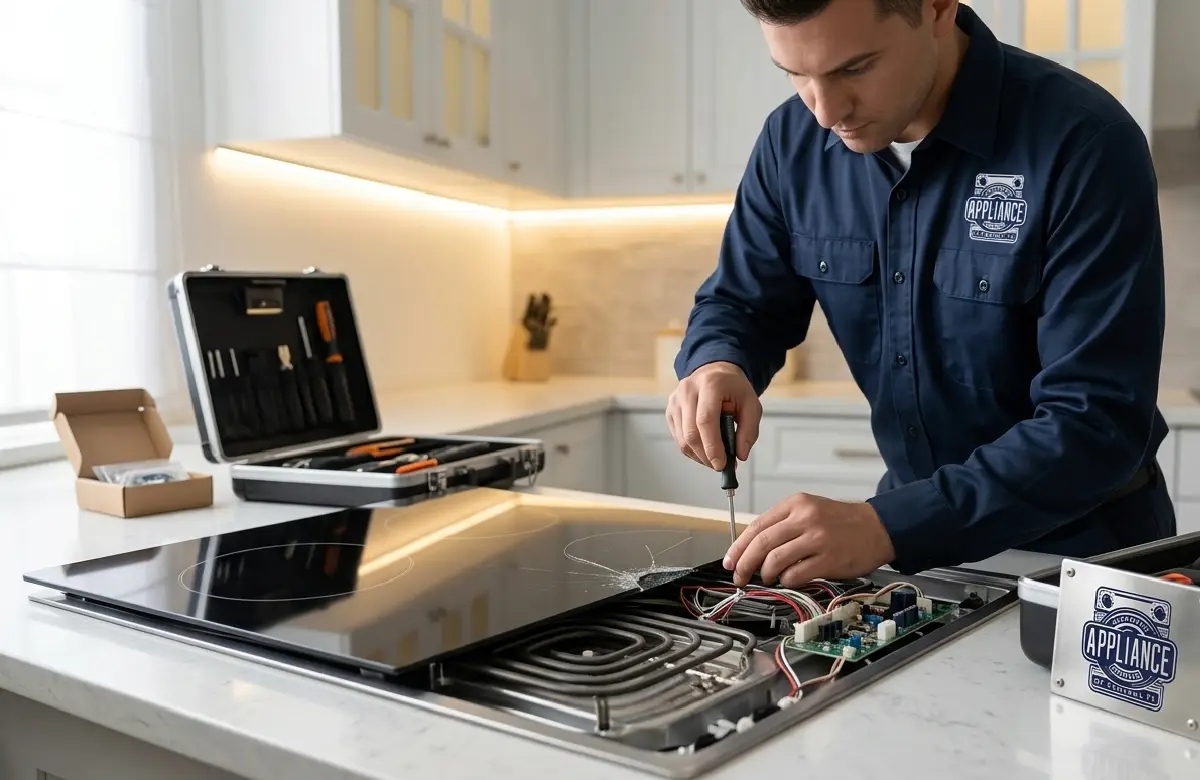
If your tests point to a broken heating coil, a bad thermal switch, or gas burner problems, call for expert appliance repair technician services. A professional technician carries the right tools to find the exact problem quickly without wasting money on the wrong parts.
A pro will also use factory OEM parts replacement. This means your new parts match your specific brand perfectly, keeping your machine safe and preserving your warranty.
Simple Habits to Prevent Future Dryer Problems
The best way to handle appliance issues is to stop them before they start. Use these simple tips to keep your dryer running efficiently for years:
- Clean the lint screen after every single load. This keeps air moving freely and protects the internal parts from getting too hot.
- Clean your exhaust vents once a year. Clean the long pipe from the back of the machine all the way to the outside wall.
- Do not overload the drum. Stuffing too many heavy clothes into the dryer blocks the airflow and strains the motor and heating element.
- Check the outside vent flap. Make sure birds have not built nests inside the vent and that snow or bushes are not blocking the air.
Reliable Repair Solutions for Your Home
A broken appliance can throw your whole week into chaos. You should not have to deal with long wait times or temporary fixes that do not last. You need a trusted team that finds the problem and fixes it right the first time.
If your dryer is running cold, the team at Discount Appliance Repair can help. Their certified technicians handle everything from heating element repair to safety switch replacements and full system tune-ups. They arrive quickly, bring the right tools, and fix your residential appliances safely.
Stop letting wet clothes pile up in your laundry room. Visit Discount Appliance Repair right now to book your same-day appointment and get your dryer working perfectly again!
FAQS
Why does my dryer spin if the air stays completely cold?
This usually means the motor circuit has power, but the heating circuit does not. A tripped household breaker, a broken heating element, or a blown thermal fuse will cause this problem.
How many years does a dryer heating element usually last?
Most heating elements last between 8 and 12 years. However, if you let lint clog your exhaust vents, the element will overheat and burn out much faster than normal.
Is it safe to keep using my dryer if it takes a very long time to dry clothes?
No, it is not safe. If your dryer takes too long to dry, a heavy lint clog or a failing switch is trapping heat inside the cabinet, which creates a dangerous fire hazard.
Why should I choose factory OEM parts over cheap aftermarket parts?
The original manufacturer makes OEM parts to fit your exact model safely and correctly. Aftermarket parts are third-party copies that may wear out quickly or fail to meet factory safety standards.
Can a blocked wall vent cause my dryer to stop heating completely?
Yes. A blocked vent traps extreme heat inside the machine. This flips the high-limit thermostat or blows the safety thermal fuse, which instantly cuts power to the heater to prevent a fire.